• Skip to primary navigation
  • Skip to main content
  • Skip to primary sidebar

Earth Wise

A look at our changing environment.

  • Home
  • About Earth Wise
  • Where to Listen
  • All Articles
  • Show Search
Hide Search
You are here: Home / Archives for nation

nation

Clean energy in New York

March 14, 2025 By EarthWise Leave a Comment

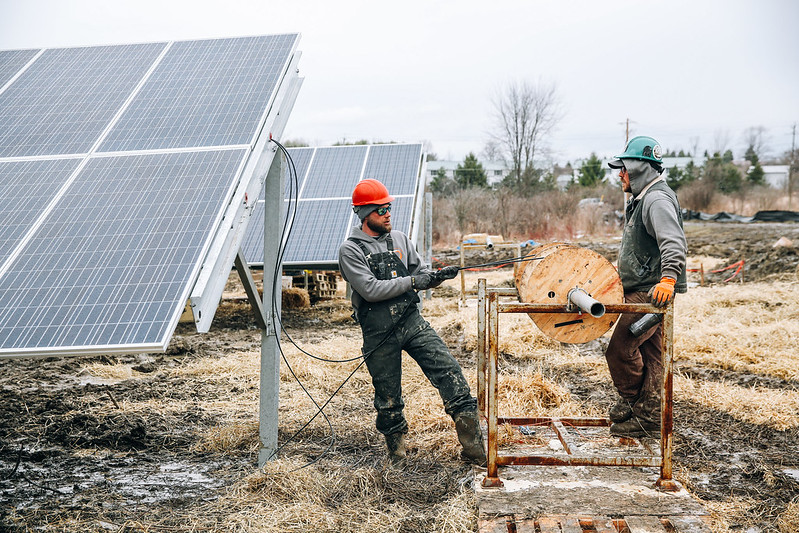
The New York State Energy Research and Development Authority – NYSERDA – recently issued a report on clean energy progress in the state during 2024.  The report highlighted continued and increased growth in heat pumps, electric vehicles, and solar energy.

Heat pumps, which provide both heating and cooling, have outsold gas furnaces countrywide for three straight years.  Air source heat pumps outsold gas furnaces by 37%.  This does not include ground source heat pumps, also known as geothermal heat pumps. New York offers Clean Heat rebates to offset the cost of installing heat pumps.

2024 was a good year for electric vehicles in New York with 90,221 new registrations.  More than 60 car models are eligible for New York’s Drive Clean state rebates.

New York achieved its Climate Act goal of having 6,000 MW of distributed solar power in October.  The state is expected to have more than 10,000 MW of distributed solar by 2030.

Nationwide, solar energy represented 64% of all the new electricity generation capacity installed in 2024, up from 55.5% in 2023.  Utility-scale solar generation in the lower 48 states was 36% higher in the summer of 2024 than in summer 2023.

NYSERDA’s report points out that converting to clean energy technologies can bring multiple benefits that include energy efficiency, cost savings, and reduced greenhouse gas emissions and air pollution.

**********

Web Links

Heat Pumps, Electric Vehicles, and Solar Scale Up Through 2024

Photo, posted April 6, 2017, courtesy of Stephen Yang / The Solutions Project via Flickr.

Earth Wise is a production of WAMC Northeast Public Radio

Drying rivers and hydropower

February 7, 2025 By EarthWise Leave a Comment

Drying rivers threaten hydropower around the world

A decade ago, Ecuador began a major transition to using hydroelectric power.  Like in many other South American countries, the presence of abundant rivers could supply large amounts of energy and drive economic expansion and lead to a new era of prosperity.

This ambitious plan has run into the impacts of climate change.  An extraordinary drought has engulfed much of South America, drying rivers and reservoirs, and has put Ecuador’s power grid on the brink of collapse. 

Since September, daily energy cuts in Ecuador have lasted as long as 14 hours.  An industry group says that the nation is losing $12 million in productivity and sales for every hour the power is out.  Just a few years ago, Ecuador was making great strides in reducing poverty.  Now, as the energy crisis has increased its grip on the country, much of what was achieved is being lost.

Ecuador’s situation is not unique.  In recent years, abnormally dry weather in multiple places has resulted in extreme low water levels in rivers, reducing hydropower resources in Norway, Canada, Turkey, and even rainforest-rich Costa Rica.

Overall, more than one billion people live in countries where more than half of their energy comes from hydroelectric plants.  With a warming climate and increasing incidence of extreme weather events like drought, it is likely that hydropower will become a less reliable energy source.  More than a quarter of all hydroelectric dams are in places with a medium to high risk of water scarcity by 2050. 

**********

Web Links

The Rivers Run Dry and the Lights Go Out: A Warming Nation’s Doom Loop

Photo, posted January 15, 2020, courtesy of Pedro Szekely via Flickr.

Earth Wise is a production of WAMC Northeast Public Radio
Increasing plastic recycling

August 15, 2024 By EarthWise Leave a Comment

How to increase the rate of plastics recycling

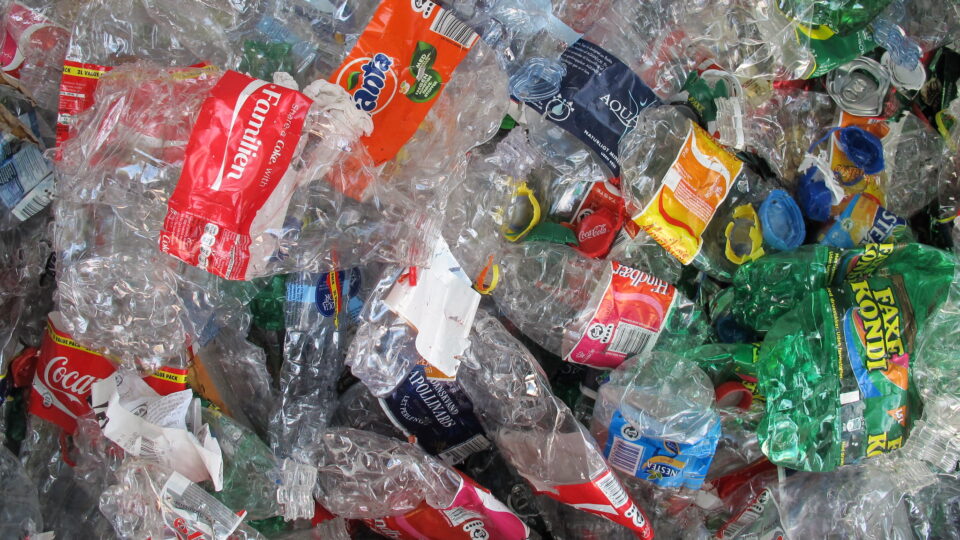
Recycling plastic is a complicated matter.  There are many different types of plastic and knowing which things are made of which type isn’t easy.  There are increasingly widespread recycling systems across the U.S., but the actual rates of recycling have been described as “abysmal”.

The plastic commonly used in beverage bottles is polyethylene terephthalate, or PET.  The present nationwide rate of recycling PET is about 24% and has been about at that level for a decade.

A new study by MIT has found that with a nationwide bottle deposit program, the rates could increase to 82%.  At that level, nearly two-thirds of all PET bottles could be recycled into new bottles at a net cost of just a penny a bottle.

The study looked at PET bottle collection and recycling rates in different states as well as other nations with and without bottle deposit policies, and with and without curbside recycling programs.  The study is the first to look in detail at the interplay between public policies and the detailed end-to-end aspects of the packaging, production and recycling market.

Recycling of PET is highly successful in terms of quality.  New products made from all-recycled material is virtually indistinguishable from virgin material.  The crucial bottleneck is the collection of sufficient amounts of material to meet the needs of processing plants.  So, the conclusion of the study is that with the right policies in place, significant improvements can be made.  Several European countries manage to collect more than 90% of PET bottles for recycling.  So, it can be done.

**********

Web Links

How to increase the rate of plastics recycling

Photo, posted August 10, 2013, courtesy of Lisa Risager via Flickr.

Earth Wise is a production of WAMC Northeast Public Radio
Rising fossil fuel emissions

April 22, 2024 By EarthWise Leave a Comment

Fossil fuel emissions are rising globally

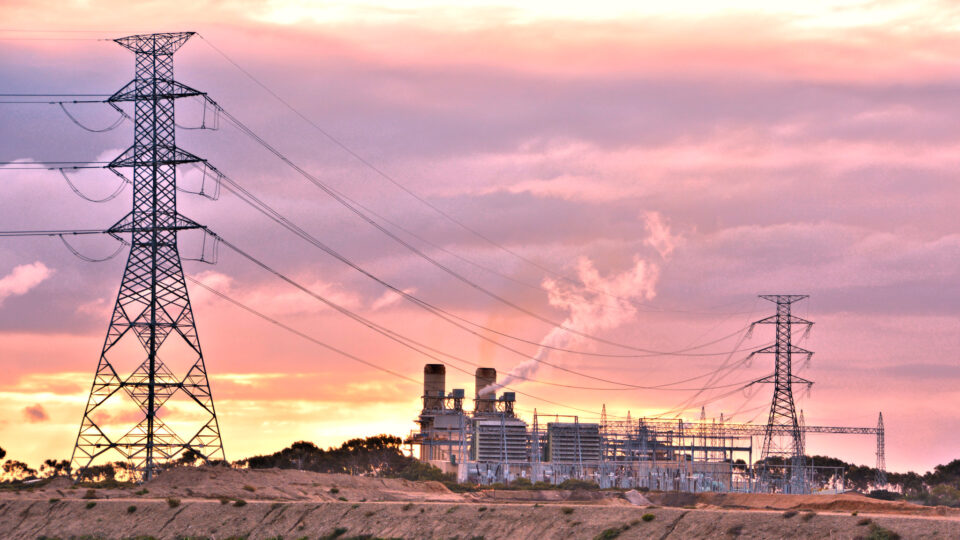
Almost every nation in the world has pledged to reduce carbon dioxide emissions.  There is expanding use of renewable energy sources and growing numbers of electric cars.  But despite all this, carbon dioxide emissions from fossil fuels rose again in 2023, reaching record levels.

The world’s population continues to grow and nations with large, rapidly growing populations are becoming increasingly industrialized and are embracing more and more of the trappings of modern life.  As a result, the global burning of oil, coal, and natural gas is increasing.

Analysis of 2023 date shows that emissions from fossil fuels rose 1.1 percent compared to 2022 levels.  The total fossil fuel emissions in 2023 was 40 billion tons of carbon dioxide. 

Clearly, the world continues to head in the wrong direction in order to limit global warming.  The concentration of carbon dioxide in the atmosphere has increased from about 278 parts per million in 1750 – considered to be the start of the industrial era – to 420 parts per million in 2023.

The rise in heat-trapping carbon dioxide along with other greenhouse gases such as methane is the primary reason that the planet’s temperature is continuing to rise.  The average global surface temperature in 2023 was 1.2 degrees Celsius – or 2.1 degrees Fahrenheit – higher than it was in the NASA baseline period of 1951-1980.  Last year was the hottest year on record.  Unfortunately, the rise in global ocean temperature was even larger, compounding the effects of global warming.

**********

Web Links

Emissions from Fossil Fuels Continue to Rise

Photo, posted June 22, 2020, courtesy of John Morton via Flickr.

Earth Wise is a production of WAMC Northeast Public Radio

A wet January

March 6, 2024 By EarthWise Leave a Comment

For the first time in a while, the monthly report on the US climate did not feature record-setting heat.  The average January temperature across the contiguous U.S. was 1.6 degrees above the average, but that only ranked it in the middle third of the climate record.  The diminishing El Niño probably helped.  On the other hand, the global average temperature in January was again the warmest on record – the 8th consecutive record-setting month.

But January still managed to be atypical weatherwise in the U.S. in that the nation’s average precipitation across the country was 3.18 inches – nearly an inch above average – which made it the 10th wettest January in NOAA’s 130-year climate record.  Thirteen states experienced top-ten rainfall amounts.  In late January, record rainfall and flooding hit the southern plains, especially in parts of Texas and Louisiana.  Meanwhile, early February brought historic rainfall and mountain snow to California with a second round later in the month.

All of the rainfall in January has made some difference to drought conditions across the country.  On January 30th, about 23.5% of the contiguous U.S. was In drought, which was 9.5% lower than the beginning of the month.  However, drought conditions expanded or intensified across northern parts of the Rockies and Plains among a few other places.

Outside of the lower-48, Alaska continued to experience historic snowfall conditions.  Between October and the end of January, Anchorage had over 100 inches of snow.

We are living in an era of weather extremes.

**********

Web Links

The nation just saw its 10th-wettest January on record

Photo, posted February 8, 2017, courtesy of Paxson Woelber via Flickr.

Earth Wise is a production of WAMC Northeast Public Radio
Lower carbon emissions in the U.S.

February 7, 2024 By EarthWise Leave a Comment

Carbon emissions in the United States are slowly falling

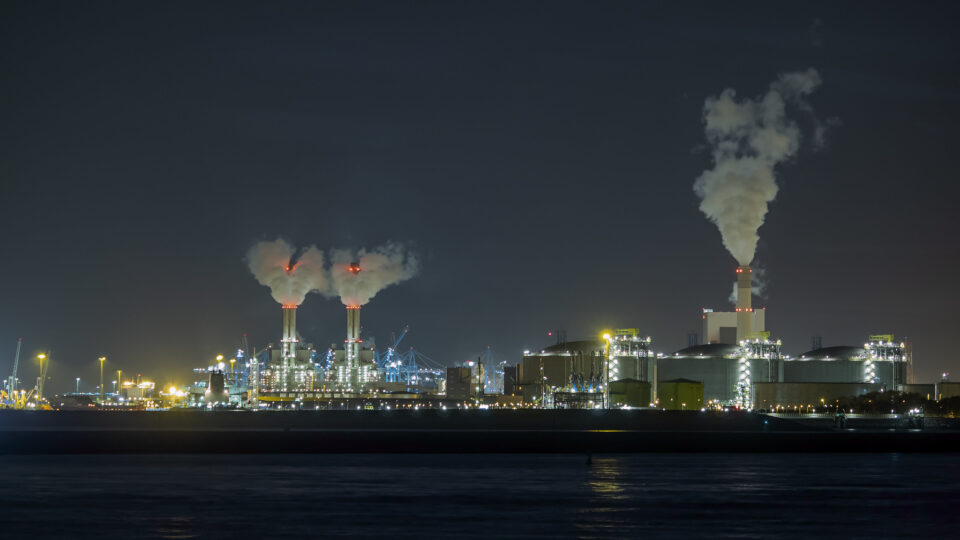
American greenhouse gas emissions in 2023 fell by 1.9%.  In total, U.S. emissions have now fallen by over 17% since 2005.  The largest factor in the decline has been the reduction in the burning of coal to produce electricity.  Coal-fired generation has fallen to its lowest level in half a century.

There was a huge drop in emissions at the start of the covid pandemic when large segments of the economy shut down.  But then there was a sharp rebound in emissions in the following two years when economic activity resumed.  But over the long term, American emissions have been trending downward as both cars and power plants have become cleaner and greener.

The decline in emissions is a good thing but hasn’t been nearly enough to meet the nation’s goals for trying to slow down global warming.  The U.S. has a goal of reducing emissions by 2030 to half of the 2005 level.  To achieve that goal, annual emissions would have to fall more than three times faster than they did last year for the rest of the decade.

The emissions data used for the current assessment included those from transportation, electricity generation, industry, and buildings.  It did not include pollution from agriculture, which accounts for about 10% of the nation’s greenhouse gases.

The 2022 Inflation Reduction Act provided record amounts of money for low-emissions technologies like solar panels, wind turbines, nuclear reactors, electric vehicles, and hydrogen fuels.  The full impact of these federal investments has yet to be seen, since many companies are still ramping up their efforts in clean energy.  How quickly emissions will fall as these efforts come to fruition remains to be seen.

**********

Web Links

U.S. Carbon Emissions Fell in 2023 as Coal Use Tumbled to New Lows

Photo, posted May 17, 2020, courtesy of Frans Berkelaar via Flickr.

Earth Wise is a production of WAMC Northeast Public Radio
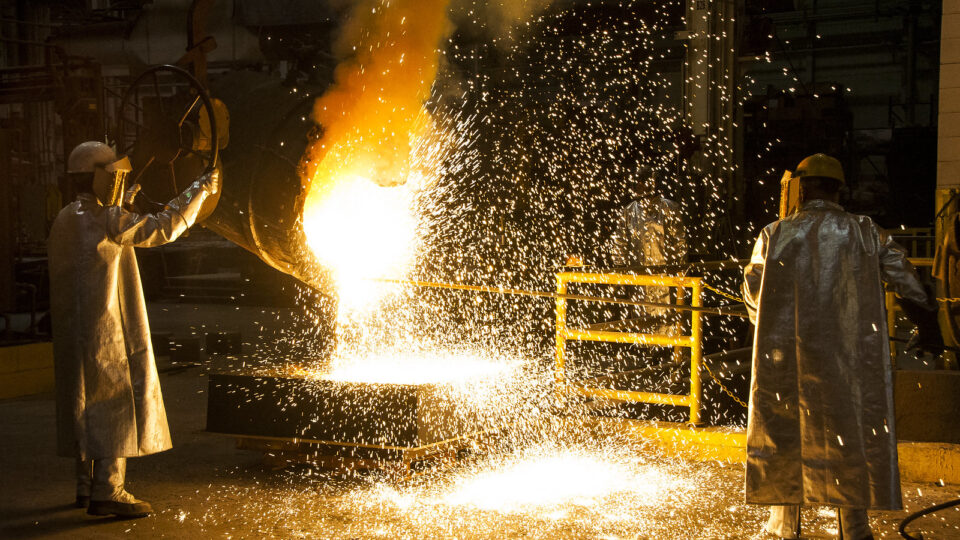
Cleaner And Greener Steel | Earth Wise

August 14, 2023 By EarthWise Leave a Comment

Researchers are developing a cleaner and greener steel

Producing construction materials like concrete and steel is a major contributor to greenhouse gas emissions.  Between 7 and 8% of emissions are due to steelmaking alone, which has been done pretty much the same way for more than a century.

Iron ore is smelted with high-carbon fuel and is turned into so-called pig iron in a blast furnace, which creates the key raw material for the steel industry.  The process uses huge amounts of energy (still often generated by burning fossil fuels) and releases carbon dioxide as a byproduct. 

The Department of Energy is sponsoring 40 projects at universities, national laboratories and companies in 21 states aimed at reducing industrial carbon pollution.  Ten of those projects are focused on decarbonizing iron and steel. These initiatives are part of the overall effort to move the nation towards a net-zero emissions economy by 2050.

A team headed by Case Western Reserve University that includes Lawrence Livermore National Laboratory, the University of Arizona, and steel company Cleveland-Cliffs Inc. has developed a promising new zero-carbon, electrochemical process for producing steel.

The process is a novel molten salt electrolysis method that is low-cost, capable of achieving high rates, and uses environmentally benign chemicals.  The process does not use carbon at all.  Using molten salts, electrochemistry can be performed at moderately high temperatures rather than the temperatures of nearly 3000 degrees Fahrenheit used for conventional steelmaking.  The goal is to enable steel production that is both economically viable at an industrial scale and that is environmentally sustainable.

**********

Web Links

Case Western Reserve leading research to develop zero-carbon, electrochemical process to produce iron metal as part of U.S. Department of Energy effort

Photo, posted January 11, 2017, courtesy of Kevin Casey Fleming via Flickr.

Earth Wise is a production of WAMC Northeast Public Radio
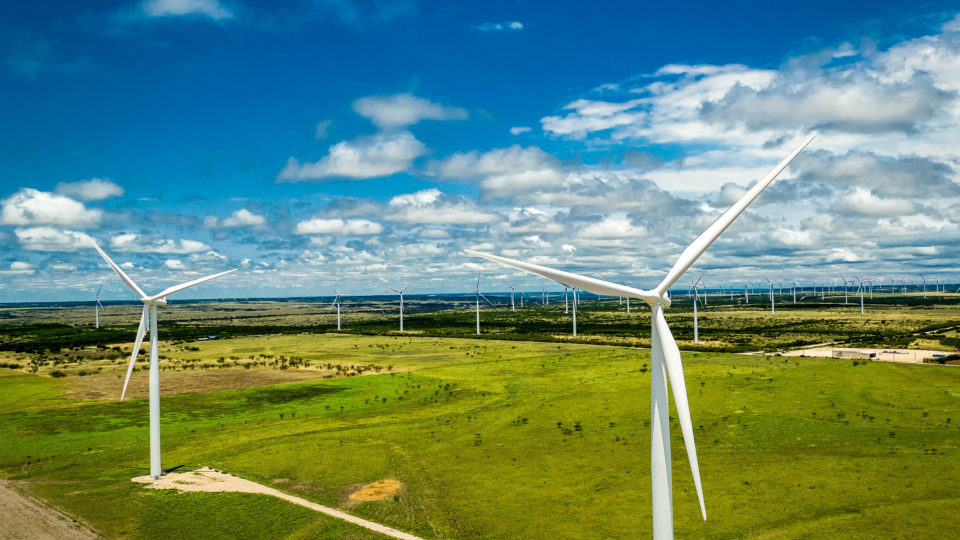
Renewables In Texas

March 12, 2018 By EarthWise Leave a Comment

https://earthwiseradio.org/wp-content/uploads/2018/02/EW-03-12-18-Renewables-in-Texas.mp3

When we think about Texas, we think of oil and conservative politics.  But Texas is also earning a reputation as a leading state for integrating renewable energy into its electric grid.

[Read more…] about Renewables In Texas

Primary Sidebar

Recent Episodes

  • An uninsurable future
  • Clean energy and jobs
  • Insect declines in remote regions
  • Fossil fuel producing nations ignoring climate goals
  • Trouble for clownfishes

WAMC Northeast Public Radio

WAMC/Northeast Public Radio is a regional public radio network serving parts of seven northeastern states (more...)

Copyright © 2026 ·