• Skip to primary navigation
  • Skip to main content
  • Skip to primary sidebar

Earth Wise

A look at our changing environment.

  • Home
  • About Earth Wise
  • Where to Listen
  • All Articles
  • Show Search
Hide Search
You are here: Home / Archives for mount everest

mount everest

Sharks and rays in a warming world

March 5, 2025 By EarthWise Leave a Comment

Could sharks and rays thrive in a warming world?

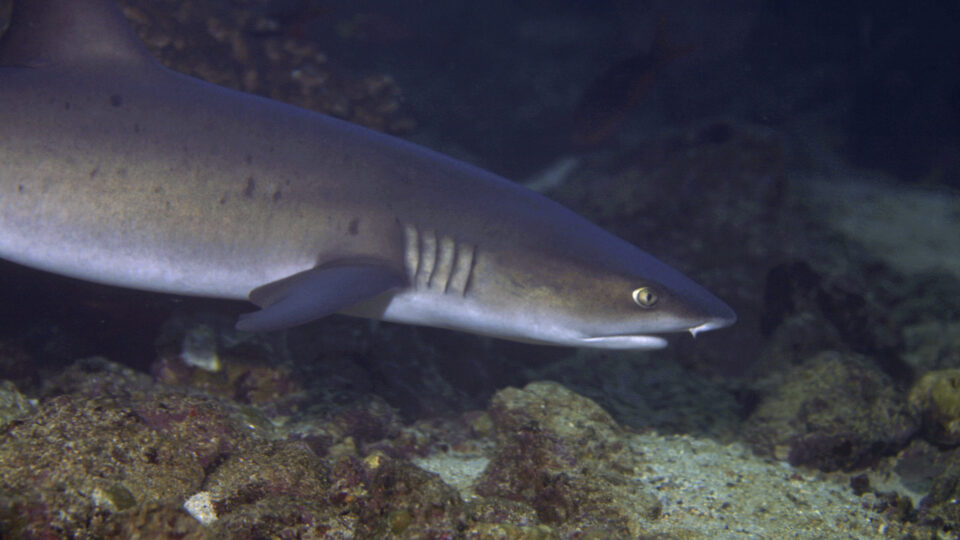
Sharks and rays belong to a group of cartilaginous fish called elasmobranchs, which have been swimming in the world’s oceans for 450 million years. The resilient species have survived five mass extinction events, and are older than dinosaurs, trees, and Mount Everest. 

But despite their resilience, many species of sharks and rays today are threatened by human activities, including overfishing, habitat loss, and climate change.  In fact, according to a new study led by researchers from the University of Vienna in Austria, more than one third of the shark and ray species known today are severely under threat. 

The study, which was recently published in the journal Biology, found that higher carbon dioxide levels were having a negative effect on sharks and rays, ranging from impacts on the animals’ senses to changes in the skeleton during embryonic development.  An examination of fossil records found that higher CO2 levels had contributed to the extinction of individual shark and ray species in the past. 

But the study also found that global warming could be creating opportunities for sharks and rays.  Rising sea levels and higher temperatures have historically expanded shallow coastal habitats and warm waters, supporting species biodiversity.

But according to the research team, the rapid environmental changes, combined with the impacts from human activities, outpace the ability of sharks and rays to adapt, making it unlikely that they will benefit from global warming.

Protecting sharks and rays is crucial not only for their survival but also for maintaining entire ocean ecosystems. Without top predators, these ecosystems could collapse, impacting both marine life and the people and industries that depend on it.

**********

Web Links

Sharks and rays benefit from global warming – but not from CO2 in the Oceans

Myths About Sharks and Rays

Photo, posted November 27, 2007, courtesy of Laszlo Ilyes via Flickr.

Earth Wise is a production of WAMC Northeast Public Radio
Climate Change On Mount Everest | Earth Wise

March 21, 2022 By EarthWise Leave a Comment

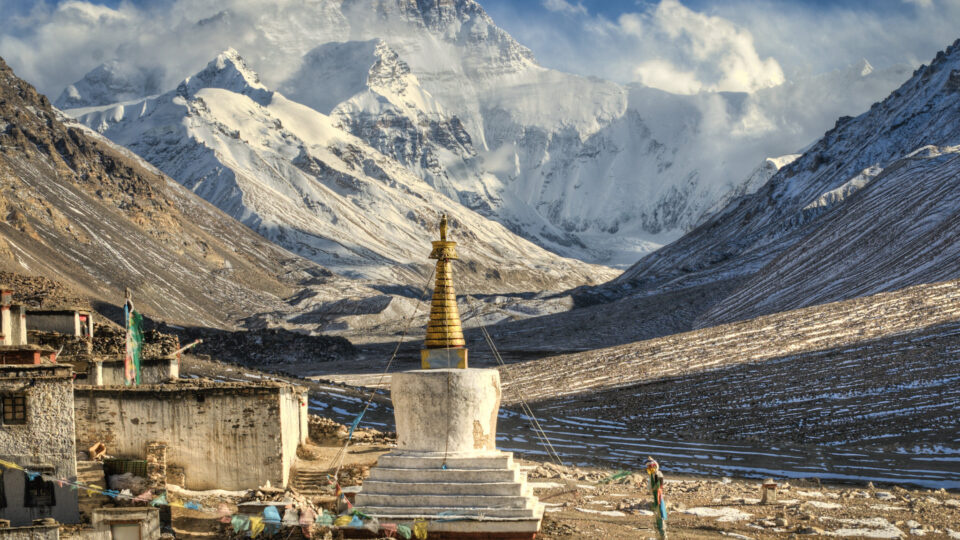
Climate change has shown up in the highest place on Earth.  The highest glacier on Mount Everest is rapidly retreating with rising temperatures.

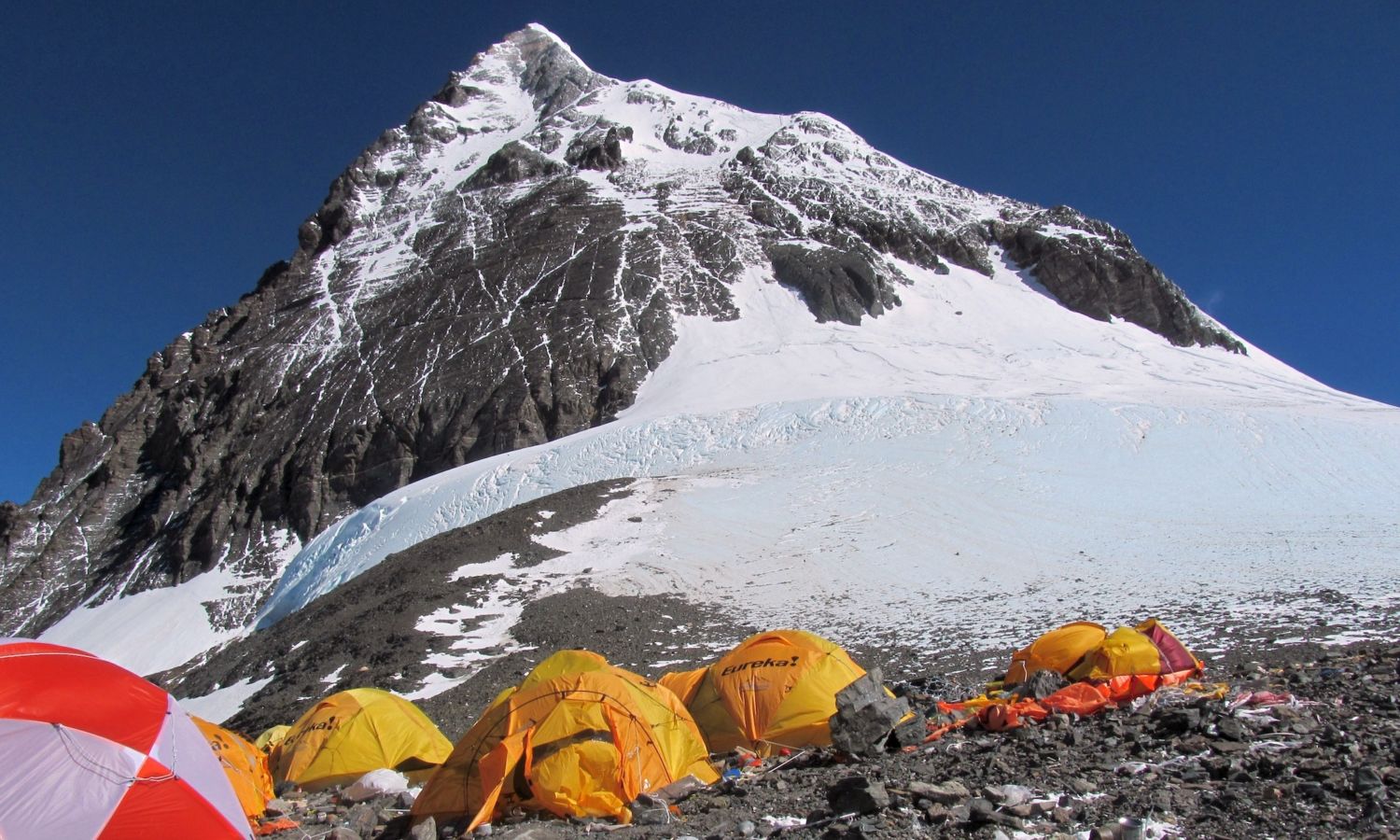
New research by an international team led by the University of Maine and published in the journal Climate and Atmospheric Science has determined that the South Col Glacier atop Mount Everest has shrunk by half since the 1990s.   Its ice mass has thinned by an estimated 180 feet.

The glacier used to be covered by snow, which reflected the sun’s light and insulated the mass of ice under the snow.  But warmer temperatures, lower humidity, and more severe winds have eliminated the snow cover, fueling the decline of the glacier.

The study of the South Col Glacier highlights the critical balance created by snow-covered surfaces and exposes the potential for loss throughout high mountain glacier systems as snow cover is depleted by warming temperatures.  When even the highest glacier on Mount Everest is impacted, it is clear that no place is safe from the warming climate.

The human significance of this development is substantial.  More than 200 million people in Asia depend on meltwater from glaciers in the high mountains of the continent for their freshwater needs.  But now glaciers in the mountains are melting faster than they can be replenished by snowfall.

As for Mount Everest itself, future expeditions on the mountain will face new challenges as glacier melting causes more avalanches and climbers accustomed to digging into ice and snow will need to scale more exposed bedrock.  Climate predictions for the Himalaya in general all anticipate continued warming and continued loss of glacier mass.

**********

Web Links

Climate Change Has Reached the Top of Mount Everest, Thinning Its Highest Glacier

Photo, posted October 27, 2011, courtesy of Goran Hogland via Flickr.

Earth Wise is a production of WAMC Northeast Public Radio.

Cleaning Up Mount Everest

May 31, 2019 By EarthWise Leave a Comment

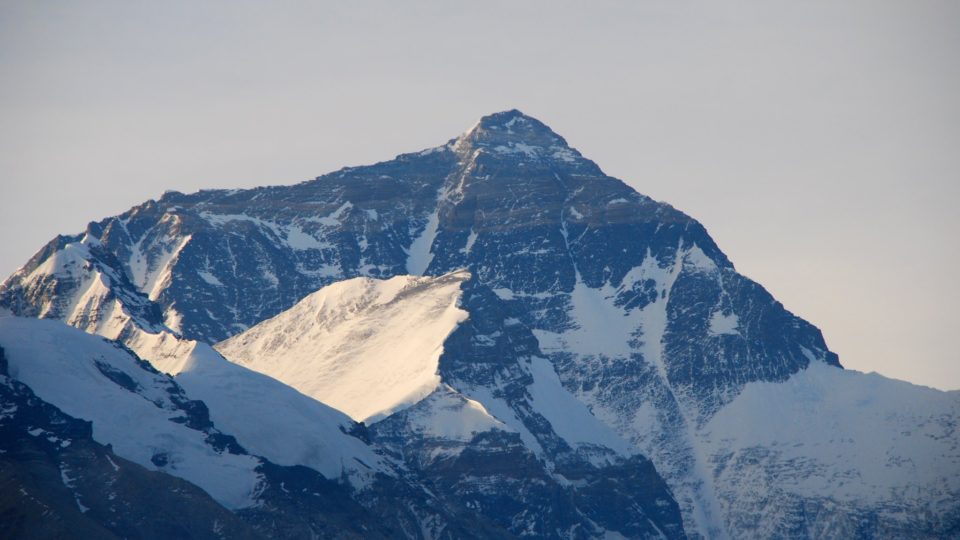
Mount Everest is the highest mountain above sea level with an elevation over 29,000 feet.  As such, it is a prime attraction for mountain climbers seeking that ultimate achievement.  The summit was first reached in 1953 and for a long time, only major expeditions by the best mountaineers sought to repeat the feat.

In recent years, climbing Everest has become much more common.  In fact, since 1953, more than 4,000 people have reached the summit of the world’s highest mountain.  A record 807 accomplished the feat last year alone.  Thousands more visit lower elevations.

But climbing Everest is neither safe nor easy.  Ice and snow, powerful winds, and generally harsh conditions make Everest a treacherous place.  Over the decades, hundreds of climbers have died on its slopes and many of their bodies are still up there.  Apart from human remains, there are decades worth of garbage left behind by hikers and tourists.

The government of Nepal has mounted an ambitious project to clean up the refuse on Mount Everest.  In just the first two weeks, volunteers removed more than three tons of trash from the mountain. Among the rubbish removed from Everest are tents, climbing equipment, bottles, cans, empty oxygen containers, and human waste.  They also discovered the bodies of four climbers that had emerged from melting snow and ice.

Helicopters carried a third of the garbage to Kathmandu for recycling.  The rest was taken to a local district for disposal in landfills.  The initial work started at Everest’s base camp.  They are next moving to sites higher on the mountain.  They hope to remove at least 10 tons of trash this year.

Nepal would like to make the world’s tallest mountain clean.

**********

Web Links

Volunteers Remove 3 Tons of Trash From Mount Everest in Two Weeks

Photo, posted May 23, 2012, courtesy of Gunther Hagleitner via Flickr.

Earth Wise is a production of WAMC Northeast Public Radio.

Primary Sidebar

Recent Episodes

  • An uninsurable future
  • Clean energy and jobs
  • Insect declines in remote regions
  • Fossil fuel producing nations ignoring climate goals
  • Trouble for clownfishes

WAMC Northeast Public Radio

WAMC/Northeast Public Radio is a regional public radio network serving parts of seven northeastern states (more...)

Copyright © 2026 ·