• Skip to primary navigation
  • Skip to main content
  • Skip to primary sidebar

Earth Wise

A look at our changing environment.

  • Home
  • About Earth Wise
  • Where to Listen
  • All Articles
  • Show Search
Hide Search
You are here: Home / Archives for mining waste

mining waste

Sand From Mining Waste | Earth Wise

May 10, 2022 By EarthWise Leave a Comment

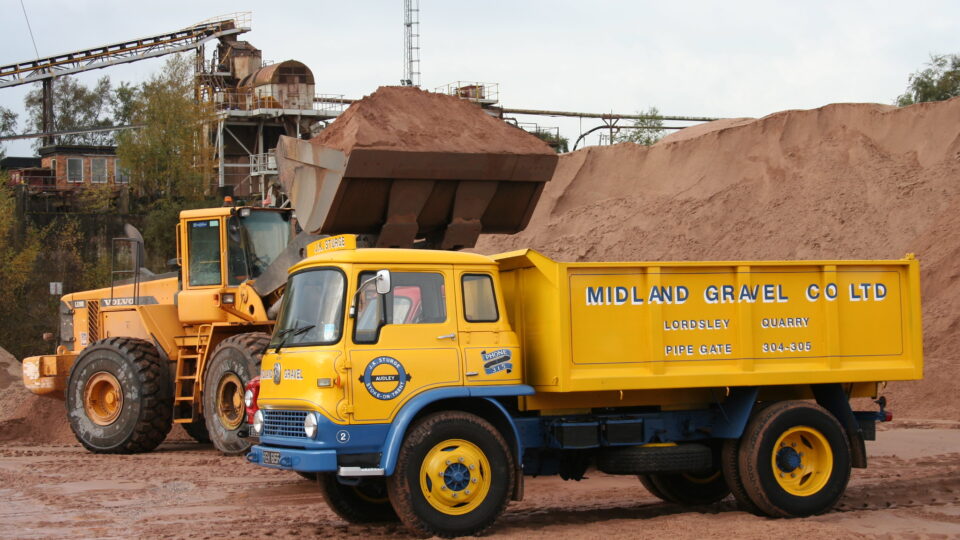
The natural resources people use the most are air and water.  It may come as a surprise that in third place is sand.  Sand is used to make glass, computer chips, toothpaste, cosmetics, food, wine, paper, paint, plastics, and more.  It is estimated that 50 billion tons of sand are used each year.

Concrete is 10% cement, 15% water, and 75% sand.  The concrete required to build a house takes on average 200 tons of sand, a hospital uses 3,000 tons, and a mile of a highway requires 15,000 tons.

One would think that there is no shortage of sand, but we are using it up faster than the planet can make it and the extraction of sand from seas, rivers, beaches, and quarries has negative impacts on the environment and surrounding communities.  For example, removing sand leads to erosion in riverbanks, significantly increasing the risk of flooding in some places.

A potential strategy to reduce the impact of extracting sand to meet society’s growing need for is also a strategy for helping to reduce the production of mineral mining waste, which is the largest waste stream on the planet.  Mining produces between 33 and 66 billion tons of waste material each year.

A new study by researchers in Switzerland and Australia looked at the potential for using mining waste as a source of so-called ore-sand.  Sand-like material left over from mining operations could be used for many current applications for sand.  Separating and repurposing these materials before they are added to the waste stream would not only reduce the volume of waste being generated by mining operations but would also create a responsible new source of sand.

**********

Web Links

Solution to world’s largest waste stream: Make sand

Photo, posted October 22, 2005, courtesy of Alan via Flickr.

Earth Wise is a production of WAMC Northeast Public Radio.
Growing Rocks To Store Carbon

April 24, 2019 By EarthWise Leave a Comment

The US Geological Survey recently published a comprehensive review of geological carbon storage in sedimentary rocks through carbon mineralization.   That is the process by which carbon dioxide becomes a solid mineral, such as a form of carbonate.  Certain rocks undergo a chemical reaction when exposed to carbon dioxide and turn into different minerals as a result.

The idea is to use carbon mineralization as a way to permanently store carbon dioxide that has been captured from power plant emissions, other industrial activities, or even directly from the atmosphere.

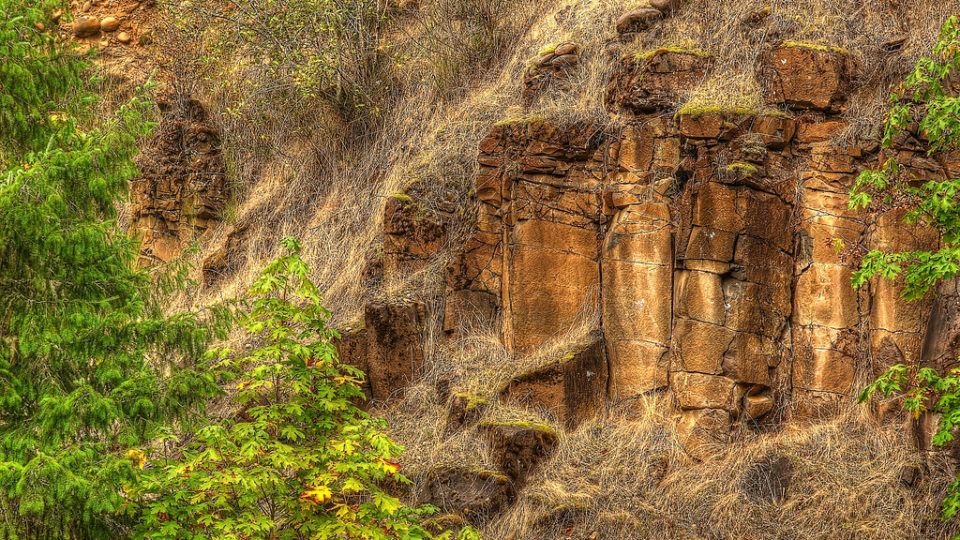
Two basic approaches are injecting the CO2 deep underground or exposing it to crushed rocks at the surface.  The two types of rock best suited for mineralization through injection are basalt and various ultramafic rocks.  Pilot studies have shown that injection into basalt can lead to mineralization in under two years.

Exposing carbon dioxide to crushed rock at the surface generally makes use of crushed mining waste.  Mineralization can be much faster in this case because there is more surface area on the crushed rock where mineralization occurs.  (However, the quantities of rock available at the surface are much less than what exists deep underground).

Like all carbon capture and storage approaches, the key consideration is cost.  The USGS study estimates that underground injection would cost around $30 per metric ton of CO2.  The crushed rock approach might only cost $8 per metric ton, but that assumes the crushed rock is already available.  If it must be newly mined, the costs would obviously go up significantly.  To put this into perspective, a typical car produces around 4 metric tons of CO22 per year.  So, it would cost somewhere between $30 and $120 a year to eliminate the emissions from one car.  Perhaps that is a price we need to pay until we ditch gasoline cars.

**********

Web Links

How Growing Rocks Can Help Reduce Carbon Emissions

Photo, posted October 17, 2011, courtesy of Glen Bledsoe via Flickr.

Earth Wise is a production of WAMC Northeast Public Radio.
Salt Cocktails Compromise Freshwater

August 1, 2018 By EarthWise Leave a Comment

https://earthwiseradio.org/wp-content/uploads/2018/07/EW-08-01-18-Salt-Cocktails.mp3

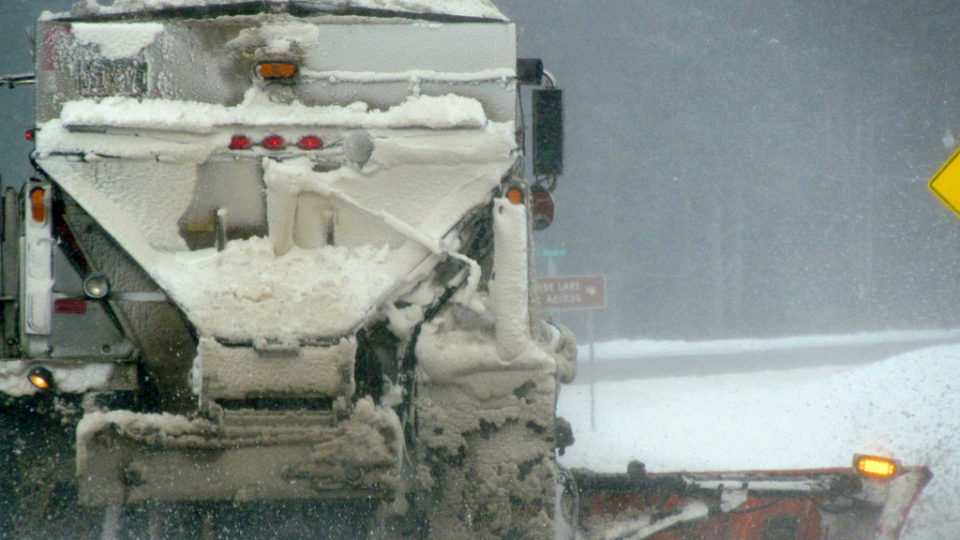
Human activities are exposing US rivers and streams to a cocktail of salts, with consequences for infrastructure and drinking water supplies. Road salt, fertilizers, and mining waste – as well as natural weathering of concrete, rocks, and soils – all contribute to increased salt in waterways. When these different salt compounds combine, their harmful effects can amplify.

[Read more…] about Salt Cocktails Compromise Freshwater

Primary Sidebar

Recent Episodes

  • An uninsurable future
  • Clean energy and jobs
  • Insect declines in remote regions
  • Fossil fuel producing nations ignoring climate goals
  • Trouble for clownfishes

WAMC Northeast Public Radio

WAMC/Northeast Public Radio is a regional public radio network serving parts of seven northeastern states (more...)

Copyright © 2026 ·