• Skip to primary navigation
  • Skip to main content
  • Skip to primary sidebar

Earth Wise

A look at our changing environment.

  • Home
  • About Earth Wise
  • Where to Listen
  • All Articles
  • Show Search
Hide Search
You are here: Home / Archives for longer

longer

Better blue LEDs

August 27, 2025 By EarthWise Leave a Comment

Developing better blue LEDs

LEDs have become the standard source of energy-efficient lighting.  They make use of semiconductors to turn electricity into light.  Depending upon the materials used to make them, LEDs produce different colors.  In the early 1990s, the first blue LEDs were discovered, ultimately earning the Nobel Prize in physics, and enabling LEDs to produce white light, which is essential for general lighting applications.

Blue LEDs have shortcomings.  Some have issues with stability, scalability, cost, efficiency, complexity in manufacturing, or have environmental concerns because of the use of toxic components. 

Researchers at Rutgers University in collaboration with scientists at several other institutions have found a way to make blue LEDs more efficient and sustainable.  These LEDs use a new type of hybrid material that is a combination of copper iodide with organic molecules.  The impressive performance of these LEDs was achieved through an innovative technique called dual interfacial hydrogen-bond passivation.  This new manufacturing technique boosts the performance of LEDs by a factor of four.

The material has several advantages.  It has a very high photoluminescence quantum yield, which means that it converts nearly all the photoenergy it receives into blue light.  The LEDs last longer than many others and they work well in larger-scale applications, maintaining high efficiency.  The materials are eco-friendly and cost-effective.

According to the researchers, this new approach could be a versatile strategy for generating high-performance LEDs that can pave the way for better, brighter, and longer-lasting LEDs.

**********

Web Links

Scientists Develop Deep-Blue LEDs Expected to Greatly Enhance General Lighting

Photo, posted February 1, 2021, courtesy of Ivan Radic via Flickr.

Earth Wise is a production of WAMC Northeast Public Radio

Toxic algae and West Coast marine life

June 5, 2025 By EarthWise Leave a Comment

Over the first several months of this year, hundreds of sea lions, dolphins, and seabirds have fallen ill or died after eating sardines or anchovies that had been feeding on an algal bloom along the California coast since winter.  The biotoxin in the algae accumulates in the feeder fish.

Two cases of whales dying from the biotoxin have been confirmed by two nonprofit organizations tasked with testing dead mammals.  These were a humpback that washed ashore in Huntington Beach in January and a minke whale found dead in Long Beach in April.

This is the fourth year a row that California has experienced major algal blooms.  Warmer waters are causing blooms to be bigger and more damaging than they have been before.  They enter into new areas and contaminate the food web for longer.  The warmer waters accelerate algae growth that is further fueled by nutrients that rise to the surface from deeper colder waters driven by winds that blow parallel to the coast.  This year’s algae event started earlier than usual and is lasting longer than normal.

More than a dozen animal rescue and rehabilitation groups that form NOAA’s West Coast Marine Mammal Stranding Network are providing resources to try to respond to the situation.  At the Marine Mammal Care Center in Los Angeles, more than 80 sea lions and seals were being treated for domoic acid poisoning, the result of ingesting algae neurotoxin.  Since February, it has cared for more than 300 poisoned animals.

Marine mammals are sentinel species for humans who also consume seafood.  The West Coast ocean ecosystem is currently filled with toxins.

**********

Web Links

California Toxic Algal Bloom Blamed for Months-long Marine Life Poisoning

Photo, posted March 26, 2025, courtesy of Marnee Jill via Flickr.

Earth Wise is a production of WAMC Northeast Public Radio

Extreme heat and dairy production

May 6, 2025 By EarthWise Leave a Comment

Climate change is causing more frequent and intense heat waves in the United States. Studies show that not only are heat waves now occurring more often, but that the average heat wave season is nearly 50 days longer now than it was in the 1960s.  The overall rise in temperatures, linked to climate change, has led to increased health risks and fatalities from extreme heat. 

As humans face increasing health risks from this extreme heat, livestock are also suffering from the effects of rising temperatures.  Extreme heat negatively impacts dairy production by causing heat stress in cows, which can reduce milk yield, quality, and the cows’ overall health.

A new study by researchers from the University of Illinois Urbana-Champaign analyzed milk production data from 18,000 dairy farms across nine Midwest states between 2012 and 2016.  The researchers found that high heat and humidity have led to a 1% decline in annual milk yield. While this might not sound like a lot, it amounts to about 1.4 billion pounds of milk over five years from the 18,000 herds included in the study – equivalent to about $245 million in lost revenue.

The study, which was recently published in the journal Food Policy, found that small farms are hit harder than large farms.  Larger farms may be able to mitigate some of the effects through management strategies, such as open barn sides, fans, and sprinklers.

Using projections from 22 different climate models, the research team estimates that more frequent extreme heat will increase milk yield losses by about 30% by 2050. 

**********

Web Links

Illinois study: Extreme heat impacts dairy production, small farms most vulnerable

Photo, posted March 13, 2018, courtesy of Gosdin via Flickr.

Earth Wise is a production of WAMC Northeast Public Radio

Megadroughts

February 24, 2025 By EarthWise Leave a Comment

A new study by Swiss and Austrian scientists has found that persistent multi-year droughts have become increasingly common since 1980 and will continue to proliferate as the climate warms.

There are multiple examples in recent years in places ranging from California to Mongolia to Australia.  Fifteen years of persistent megadrought in Chile have nearly dried out the country’s water reserves and even affected Chile’s vital mining output.  These multi-year droughts have triggered acute water crises in vulnerable regions around the world.

Droughts tend to only be noticed when they damage agriculture or visibly affect forests.  An issue explored by the new study is whether megadroughts can be consistently identified and their impact on ecosystems understood.

The researchers analyzed global meteorological data and modeled droughts over a forty-year period beginning in 1980.  They found that multi-year droughts have become longer, more frequent, and more extreme, covering more land.  Every year since 1980, drought-stricken areas have spread by an additional fifty thousand square kilometers on average, an area the size of Vermont and New Hampshire combined. 

The trend of intensifying megadroughts is clearly leading to drier and browner ecosystems.  Tropical forests can offset the effects of drought as long as they have enough water reserves.  However, the long-term effects on the planet and its ecosystems remain largely unknown.  Ultimately, long-term extreme water shortages will result in trees in tropical and boreal regions dying, causing long-term and possibly irreversible damage to these ecosystems.

**********

Web Links

The Megadroughts Are upon Us

Photo, posted January 7, 2018, courtesy of Kathleen via Flickr.

Earth Wise is a production of WAMC Northeast Public Radio
Thermal batteries for heavy industry

January 3, 2025 By EarthWise Leave a Comment

Researchers are developing thermal batteries for heavy industry

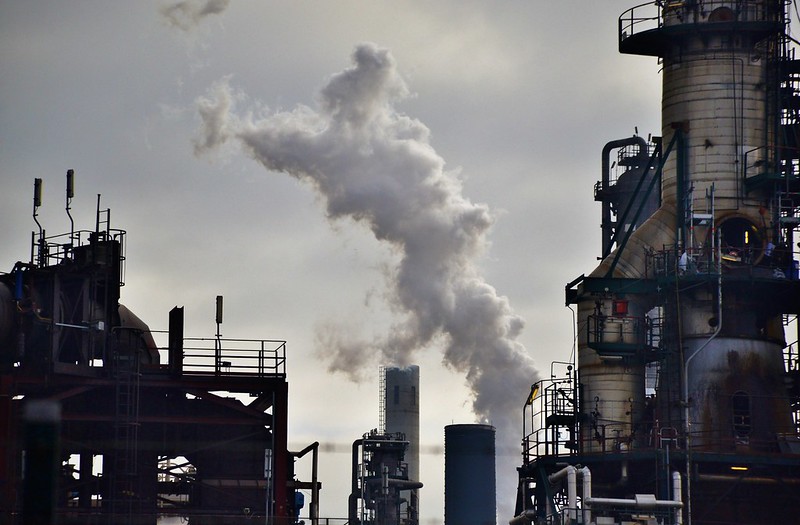
Heavy industries like cement, steel, chemicals, and paper require large amounts of heat and, for the most part, that heat comes from burning fossil fuels.  Other sectors of the economy have been making progress in reducing carbon emissions, but heavy industry has not found easy answers for supplying the heat it needs for manufacturing.

Researchers at MIT have developed a way to supply heat that only uses electricity, which in principle can come from carbon-free sources.  The idea is to use thermal batteries.  These are basically an electrically conductive equivalent of ceramic firebricks, which have been used to store heat for centuries in fireplaces and ovens.

A spinout company called Electrified Thermal Solutions has demonstrated that its firebricks can store heat efficiently for hours and release it by heating air or gas up to 3,272 degrees Fahrenheit. 

The firebrick arrays are contained in insulated, off-the-shelf metal boxes.  The standard system can collect and release about 5 megawatts of energy and store about 25 megawatt-hours.  The thermal battery can run hotter and last longer than any other electric heating solution on the market.

Using this technology can be a way to take advantage of the low cost of electricity in off-peak hours.  In the so-called wind belt in the middle of the U.S., electricity prices can even be negative at times.  Using the firebrick technology – called the Joule Hive Thermal Battery – it can be possible to provide industrial heating capability at very competitive prices, and that doesn’t even factor in the positive climate impact.

**********

Web Links

Decarbonizing heavy industry with thermal batteries

Photo, posted April 19, 2019, courtesy of Hans M. via Flickr.

Earth Wise is a production of WAMC Northeast Public Radio
Faster electric vehicle charging

December 25, 2024 By EarthWise Leave a Comment

One concern that people have in replacing gas-powered vehicles with electric vehicles is the time it takes to charge them.  Charging an EV at home from an ordinary 110V electrical outlet is a slow process; installing a 220V outlet speeds things up considerably but it still can take all night to fully charge a car.  The driving range of electric cars has increased over the years so that now there are many cars that can go 300 miles or more on a charge. For most people, so-called range anxiety is mostly gone.  But on long road trips, charging time can be a real issue.

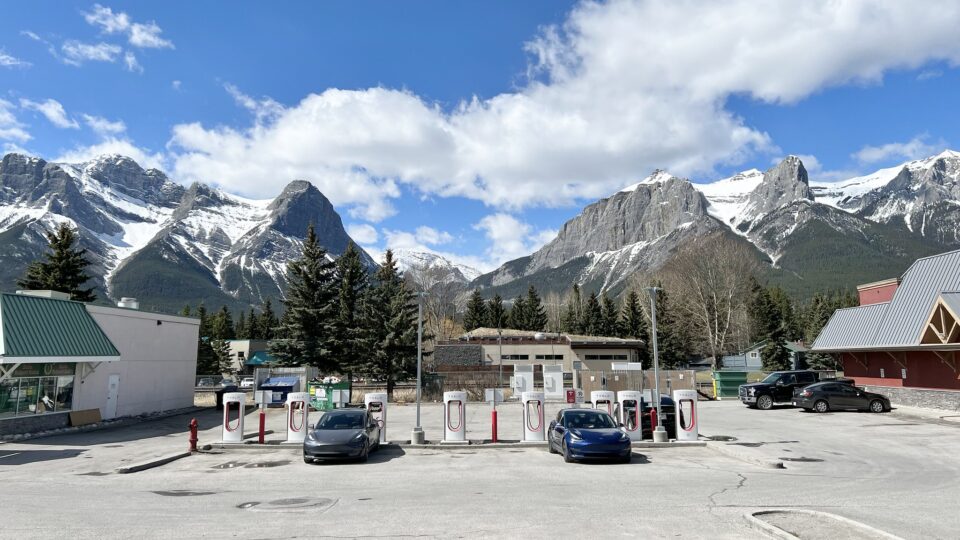
There are increasing numbers of high-speed chargers along or adjacent to major highways that can provide 200 miles of driving range in less than half an hour.  But people want more charge, and they want it faster.

There are multiple efforts in improving EV batteries and charger technology aimed at transforming a visit to a public charger to an experience comparable to filling up at a gasoline station.

Researchers at the University of Waterloo have designed a new kind of lithium-ion battery that will be able to go from zero battery power to 80% in just 15 minutes. This technology would certainly enhance the capabilities of today’s electric cars.  However, it is quite possible that other technologies that surpass this performance will emerge in the near future.  There is talk across the industry of cars that can charge up in 5 or 10 minutes.   There is also the prospect of many cars that can drive 500 miles on a charge.  These features would address the needs or desires of all but a very small number of drivers.

**********

Web Links

From zero to 80 per cent in just 15 minutes

Photo, posted May 7, 2022, courtesy of Sharon Hahn Darlin via Flickr.

Earth Wise is a production of WAMC Northeast Public Radio
National drought

December 5, 2024 By EarthWise Leave a Comment

Climate change brings with it many kinds of extreme weather.  It isn’t just higher temperatures.  It is changing patterns of weather and weather events that are rare or even unprecedented.

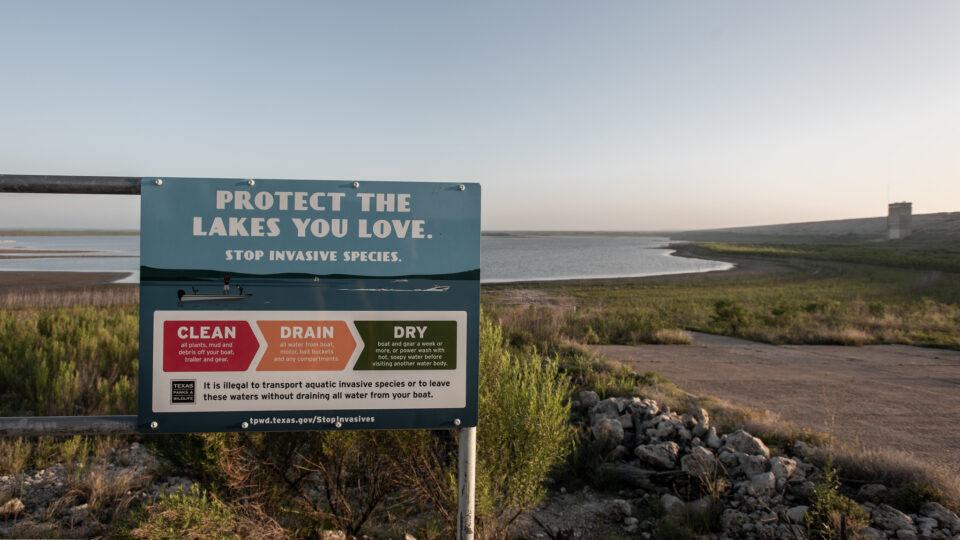
Late October saw drought conditions throughout almost the entire United States.   Only Alaska and Kentucky did not have at least moderate drought conditions.

The previous four months were consistently warmer than normal over a large area of the country.  When that period started, about a quarter of the country was at least somewhat dry, but in late October, 87% of the country was dry.

Droughts in many parts of the U.S. and in places around the world are becoming more frequent, longer in duration, and more severe. 

Residents of New York City were urged to start conserving water.  This October was the driest October since record keeping began in 1869.  The upstate reservoirs that supply New York’s water were below two-thirds full.  They are normally more than three-quarters full in the fall.

Even the Southeast, which received huge amounts of rain from Hurricane Helene, is experiencing drought.  Not much rain had fallen since that storm and warmer temperatures mean more evaporation and drier soils.

Drought is not just a lack of precipitation.  Drought conditions are driven by abnormally high temperatures that remove moisture from the atmosphere and the ground.

Whether widespread drought conditions will persist is unknown.  If a predicted La Niña condition develops in the tropical Pacific, drought conditions in the southern half of the country could get worse, but the Northeast could see lots of rain and snow.

To have nearly the entire country experiencing drought conditions is pretty rare.  But unusual weather is becoming the new normal.

**********

Web Links

In a Record, All but Two U.S. States Are in Drought

Photo, posted May 21, 2024, courtesy of Adam Bartlett via Flickr.

Earth Wise is a production of WAMC Northeast Public Radio
Wireless car charging

April 17, 2024 By EarthWise Leave a Comment

Wireless car charging is being developed

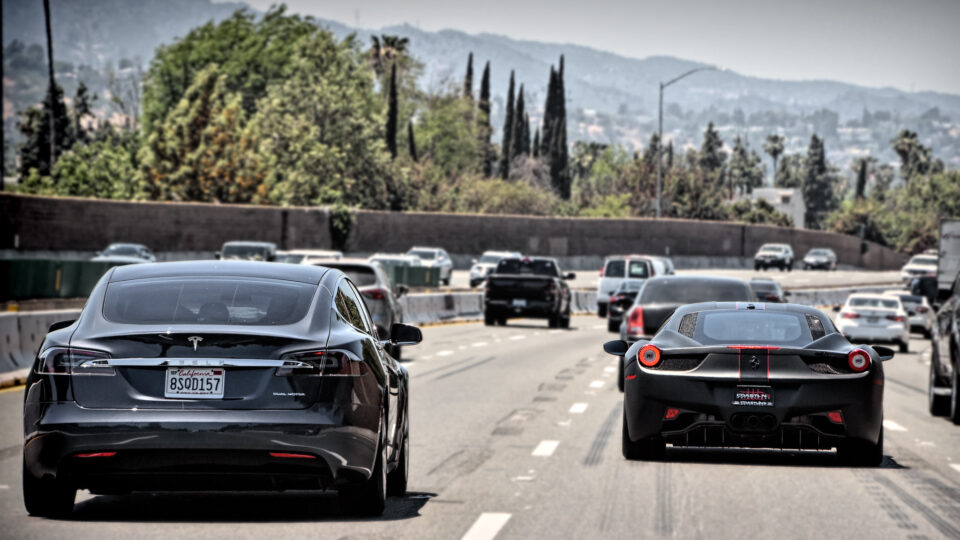
It’s increasingly common to see cars hooked up to charging cables in shopping centers, rest stops, and dedicated charging stations.  Charging electric cars is easy to do, just like charging phones and laptop computers.  These days, it is pretty common to charge phones without using any charging cable at all because of the availability of wireless charging technology.  The same thing may well happen with electric cars.

A team of researchers at Oak Ridge National Laboratory has successfully demonstrated wireless charging of electric cars with high efficiency and fairly fast charging speed.

The patented system was used to charge up a Hyundai Kona EV using electromagnetic fields, which is essentially how phone chargers work.  The technology makes use of a polyphase electromagnetic coupling coil, which is lightweight and small.  Rotating magnetic fields generated in the coil’s windings boost the power available.  The system provided 100-kW of power with 96% efficiency.  That isn’t as powerful as the fastest high-speed charging stations, but it is considerably more than any home charging solution can provide.  For many vehicles, such a charger could provide 50% battery capacity in less than 20 minutes.

Battery technology continues to improve leading to larger capacity, faster charging, longer battery life, and lower cost.  At some point, charging up an electric car will take no more time than pumping gas.

The Oak Ridge researchers consider this development to be a breakthrough achievement that could open the door to fast and efficient wireless charging for electric passenger vehicles.  One could imagine having the ability to drive up to a charging spot and charging up the battery without even getting out of the car. 

**********

Web Links

Charging up the commute

Photo, posted July 12, 2021, courtesy of Chris Yarzab via Flickr.

Earth Wise is a production of WAMC Northeast Public Radio
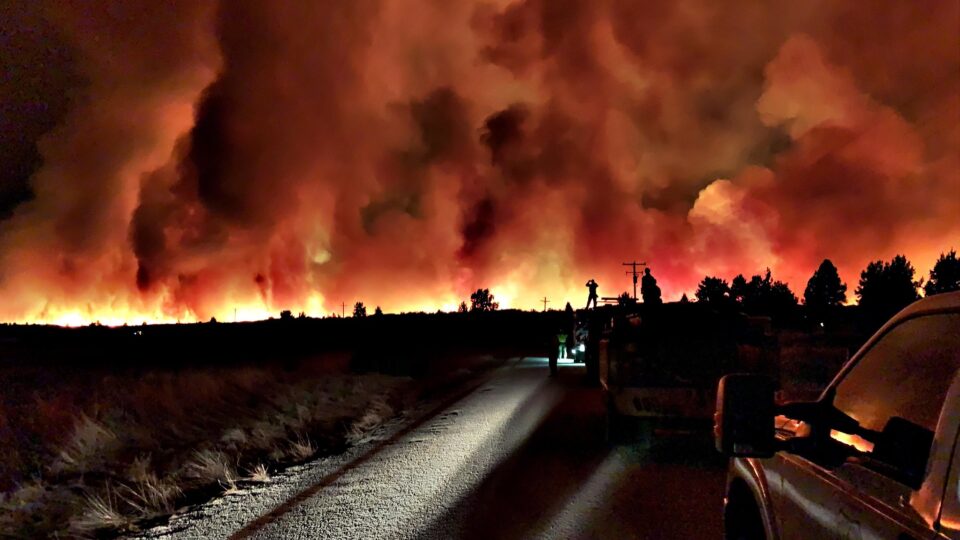
Wildfires And Cancer Risk | Earth Wise

June 20, 2022 By EarthWise Leave a Comment

Exposure to wildfires leads to an increase in cancer risk

Hotter and drier conditions are leading to an increasing number of wildfires in North America and elsewhere around the globe.  Scientists have linked the severe heat and drought that fuel these wildfires to climate change. As the climate continues to change, wildfires are projected to become more prevalent, more severe, and longer in duration. 

According to a United Nations report released earlier this year, the Western U.S., northern Siberia, central India, and eastern Australia have already seen an uptick in wildfires.  The likelihood of catastrophic wildfires globally could increase by a third by 2050 and more than 50% by the turn of the century. 

According to a new study by researchers from McGill University, living near regions prone to wildfires may boost the risk of developing serious health issues.  The study, which tracked more than two million Canadians over a period of 20 years, found a higher incidence of lung cancer and brain tumors in people exposed to wildfires.  People living within 50 kilometers of wildfires during the past 10 years had a 10% higher incidence of brain tumors and a 4.9% higher incidence of lung cancer when compared to people living further away. 

This study, which was recently published in The Lancet Planetary Health, is the first to examine how proximity to forest fires may influence cancer risk.

In addition to the impacts on air quality, wildfires also pollute aquatic, soil, and indoor environments.  While some pollutants return to normal levels shortly after the fire, many others persist in the environment for long periods of time. 

The research team notes that additional work is needed to develop more long-term estimates of the chronic health effects of wildfires.

**********

Web Links

Exposure to wildfires increases risk of cancer

Climate change is causing more wildfires and governments are unprepared, says U.N.

Photo, posted August 17, 2020, courtesy of USFS via Flickr.

Earth Wise is a production of WAMC Northeast Public Radio.

More Extreme Wildfire Seasons | Earth Wise

April 29, 2020 By EarthWise Leave a Comment

extreme wildfire seasons

According to a new study led by researchers at Stanford University, autumn in California feels more like summer now as a result of climate change, and this hotter and drier weather increases the risk of longer and more dangerous wildfire seasons.

The research team, whose work was recently published in the journal Environmental Research Letters, found that the frequency of extreme fire weather conditions in the fall in California has doubled since the early 1980s.  Average temperatures during the season have increased by more than 2 degrees Fahrenheit, and rainfall has fallen by approximately 30%.  The most pronounced warming has occurred in the late summer and early fall.  That finding means that tinder-dry conditions coincide with the strong “Diablo” and “Santa Ana” winds that are typical in California at this time of year.     

In recent years, these conditions have fed large and fast-moving wildfires across California.  The state’s two largest wildfires, two most destructive wildfires, and the most deadly wildfire all occurred during 2017 and 2018, resulting in more than 150 deaths and $50 billion in damage.

Because summertime has typically been peak fire season, the recent spate of autumn fires is putting a strain on firefighting resources and funding.  The ongoing COVID-19 pandemic could further strain emergency resources.  Since fire-prone regions have historically shared  wildfire-fighting resources throughout the year, the consequences of California’s extended wildfire season could have a global impact.  (For example, California’s recent autumn wildfires have coincided with the beginning of wildfires in Australia). 

The researchers highlight some opportunities to manage the intensifying wildfire risk in California, including limiting the trajectory of global warming in keeping with the targets identified in the United Nations’ Paris agreement.

**********

Web Links

Researchers forecast longer, more extreme wildfire seasons

Photo, posted September 12, 2019, courtesy of the California National Guard via Flickr.

Earth Wise is a production of WAMC Northeast Public Radio.

Whom Should We Save?

April 27, 2018 By EarthWise Leave a Comment

https://earthwiseradio.org/wp-content/uploads/2018/04/EW-04-27-18-Whom-Should-We-Save.mp3

The list of endangered species continues to get longer around the world and society is increasingly faced with the nearly impossible decision of which ones to take off life support.

[Read more…] about Whom Should We Save?

Primary Sidebar

Recent Episodes

  • An uninsurable future
  • Clean energy and jobs
  • Insect declines in remote regions
  • Fossil fuel producing nations ignoring climate goals
  • Trouble for clownfishes

WAMC Northeast Public Radio

WAMC/Northeast Public Radio is a regional public radio network serving parts of seven northeastern states (more...)

Copyright © 2026 ·