• Skip to primary navigation
  • Skip to main content
  • Skip to primary sidebar

Earth Wise

A look at our changing environment.

  • Home
  • About Earth Wise
  • Where to Listen
  • All Articles
  • Show Search
Hide Search
You are here: Home / Archives for limits

limits

Amphibians and climate change

April 7, 2025 By EarthWise Leave a Comment

Amphibians are a group of vertebrate animals that include frogs, toads, and salamanders. They are unique for their ability to live both in water and on land during different stages of life. Amphibians play a crucial role in ecosystems, often serving as both predators and prey in food webs.

Amphibians are the world’s most at-risk vertebrates, with more than 40% of species listed as threatened.  They are cold-blooded creatures and rely on external sources to regulate their body temperature.  But needing to regulate their body heat this way makes amphibians particularly vulnerable to temperature change in their habitats. 

Researchers from the University of New South Wales in Australia can now predict the heat tolerance of 60% of the world’s amphibian species.  This new tool will allow scientists to better identify which amphibian species and habitats will be most impacted by climate change.  

The study’s landmark findings, which were recently published in the journal Nature, found that 2% of amphibian species are already exposed to overheating in shaded terrestrial conditions.  According to the research team, a 4°C global temperature increase could push 7.5% of amphibian species beyond their physiological limits. 

Local amphibian extinctions can trigger ecological repercussions, including reshuffling community compositions, eroding genetic diversity, and impacting the food chain and overall ecosystem health.

The researchers highlight the importance of vegetation and water bodies in protecting amphibians during heat waves, and emphasize the need to provide adequate water and shade during future conservation efforts. 

**********

Web Links

The pot is already boiling for 2% of the world’s amphibians: new study

Photo, posted October 8, 2011, courtesy of Dave Huth via Flickr.

Earth Wise is a production of WAMC Northeast Public Radio
A Growing Threat To Wheat | Earth Wise

January 27, 2023 By EarthWise Leave a Comment

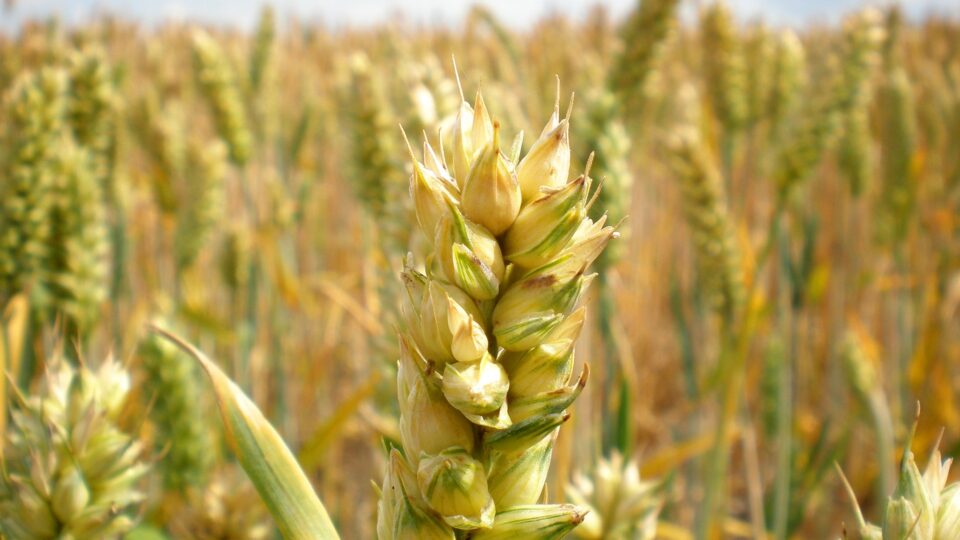
A growing threat to wheat threatens crop price and global food security

Wheat is one of the most widely-grown crops in the world and plays a major role in human nutrition.  In fact, wheat contributes approximately 20% of the protein and 20% of the calories consumed by humans globally.  It is grown on every continent except Antarctica.  

But wheat is under growing attacks from harmful toxins.  According to a new study by researchers from the University of Bath and the University of Exeter in the U.K., almost half of wheat crops across Europe are impacted by the fungal infection that gives rise to mycotoxins.

Mycotoxins are naturally occurring toxins produced by the fungus that causes Fusarium Head Blight.  Fusarium Head Blight is a disease that affects wheat and other grains growing in the field. Eating products contaminated with mycotoxins can cause sickness in humans and livestock, including vomiting and other gastrointestinal problems.

In the study, the research team examined 10 years of government and agribusiness data, which tracked Fusarium mycotoxins in wheat entering the food and animal supply chains across Europe and the U.K.  Half of the wheat intended for human food in Europe contained the Fusarium mycotoxin.  In the UK, 70% of wheat was contaminated.

Governments set legal limits on mycotoxin contamination levels in wheat that is to be consumed by humans. But with the ubiquitous nature of these mycotoxins, the effect of constant, low-level exposure in the diet over the course of a lifetime is not known. 

With climate change and the war in Ukraine already impacting both wheat yield and price, preventing toxin contamination is critical to help maintain a stable crop price and to protect global good security. 

**********

Web Links

Harmful fungal toxins in wheat: a growing threat across Europe

Photo, posted July 11, 2011, courtesy of Maria Keays via Flickr.

Earth Wise is a production of WAMC Northeast Public Radio.

Primary Sidebar

Recent Episodes

  • An uninsurable future
  • Clean energy and jobs
  • Insect declines in remote regions
  • Fossil fuel producing nations ignoring climate goals
  • Trouble for clownfishes

WAMC Northeast Public Radio

WAMC/Northeast Public Radio is a regional public radio network serving parts of seven northeastern states (more...)

Copyright © 2026 ·