• Skip to primary navigation
  • Skip to main content
  • Skip to primary sidebar

Earth Wise

A look at our changing environment.

  • Home
  • About Earth Wise
  • Where to Listen
  • All Articles
  • Show Search
Hide Search
You are here: Home / Archives for intensification

intensification

Restoring English hedgerows

January 14, 2025 By EarthWise Leave a Comment

Restoring hedgerows in England a major undertaking

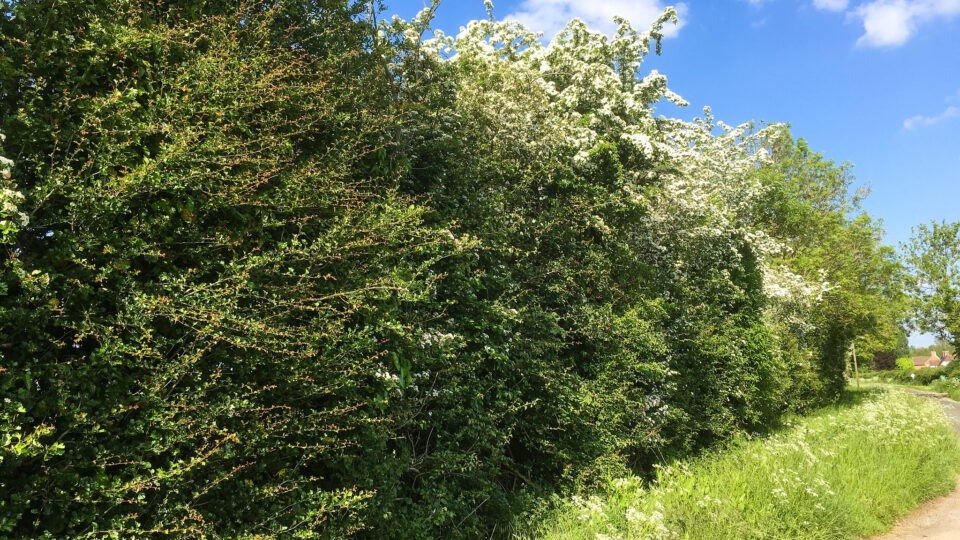
Hedgerows are lines of different types of bushes and small trees growing very close together typically placed between fields or along the sides of roads in the countryside.  The network of hedges throughout rural England dates back to the Bronze Age, or even possibly Neolithic times.  As the first farmers began clearing areas of land for cultivation, they left strips of trees as boundaries.  Hedgerows act as field boundaries but also protect livestock, support biodiversity, and help mitigate climate change.

There are currently about 250,000 miles of hedgerows in England. However, about half of these important habitats were lost in the post-WWII years due to agricultural intensification.  Furthermore, a 2007 survey found that fewer than half of remaining hedgerows were judged to be in good structural condition.

The UK Centre for Ecology and Hydrology has set a target to create or restore 45,000 miles of hedgerow by 2050.  While the overall length of managed hedgerows in England has not changed much since 2007, the proportion in good structural condition has improved significantly and hedgerow height has increased.

England’s Department for Environment, Food & Rural Affairs aims to create or restore 30,000 miles of hedgerow by 2037.  However, the Climate Change Committee recommends that the national hedgerow network be increased by 40% by 2050 and the organization Natural England’s long-term aspiration is a 60% increase in hedgerow extent to support thriving plants and wildlife. 

For more information on this topic and other environmental news visit us at: earthwiseradio.org or Find us on Facebook.

**********

Web Links

​​​​​​​Urgent need to enable more farmers and contractors to revive England’s network of hedgerows

Photo, posted May 27, 2016, courtesy of Dave S. via Flickr.

Earth Wise is a production of WAMC Northeast Public Radio
An active hurricane season

May 13, 2024 By EarthWise Leave a Comment

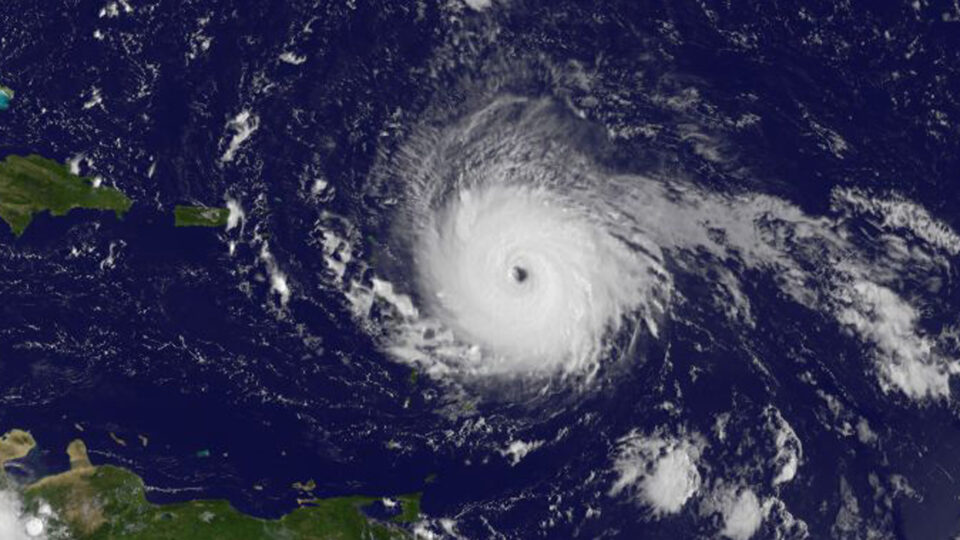
The Atlantic hurricane season officially runs from June 1st until November 30th.  Forecasters at Colorado State University have issued forecasts of Atlantic basin hurricane activity since 1984 based on the pioneering work of Professor William Gray.  This year’s forecast, issued in April, predicts a higher-than-average number of Atlantic storms.  In fact, it may be one of the most active seasons on record.

On average, there are 14 named storms each season.  This year, the prediction is for 23 of them.  On average, there are 7 hurricanes each season.  This year, the prediction is for 11. The prediction is for 5 major hurricanes among them.  These predictions are among the highest on record, although in 2020 they predicted 12 hurricanes.  In fact, that year there were 14 that actually took place.

Among the factors at play are that the El Niño that was occurring last year has dissipated and there is a good chance of a La Niña forming, which suppresses upper-level winds thereby making conditions ideal for hurricane formation and intensification.  But the overarching factor is global warming which is driving ocean temperature rise.  The water in the Atlantic, especially in the eastern Atlantic where most hurricanes form, has seen record-breaking warmth.  More warm water means more chances for storms.

Other research groups echo the predictions from Colorado State and, in some cases, see ever greater chances for an extremely active hurricane season.  The University of Pennsylvania forecast calls for 33 named storms.

The overall forecast is for a well above-average probability for major hurricanes making landfall along the continental United States coastline and the Caribbean. 

**********

Web Links

Weather tracker: US experts predict one of most active hurricane seasons on record

Photo, posted September 5, 2017, courtesy of NASA/NOAA GOES Project via Flickr.

Earth Wise is a production of WAMC Northeast Public Radio
Why Are Insect Populations Declining? | Earth Wise

June 16, 2023 By EarthWise Leave a Comment

Insects are declining

The world is experiencing a decline in overall insect populations as well as a collapse in insect diversity.  A recent special issue of the journal Biology Letters discusses the major causes of this alarming trend.

According to the study, the primary causes of the worldwide decline in insect biomass are land-use intensification in the form of greater utilization for agriculture and building development, climate change, and the spread of invasive animal species as a result of human trade.

The study concludes that it is not just these factors that are driving the global disappearance of insects, but also that these three factors are interacting with each other.  For example, ecosystems that are deteriorated by humans are more susceptible to climate change and so are their insect communities.  Similarly, invasive species can establish themselves more easily in habitats damaged by human land-use and displace native species.  Many native insect species decline or go extinct while others – often invasive species – thrive and increase, leading to decreasing insect diversity.  Warming temperatures are making many locations undesirable for various insect species and they often cannot migrate to anyplace better.

Declining insect populations and diversity results in concomitant declines in plant species that depend on pollinators.  This in turn threatens the stability of entire ecosystems.

The researchers advocate for continued monitoring of insect diversity across many habitats and countries and propose the creation of a network of interconnected nature reserves such that species can move from one to another. 

We often think of insects as pests, but they are a crucial part of the world’s ecosystems.

**********

Web Links

The reasons why insect numbers are decreasing

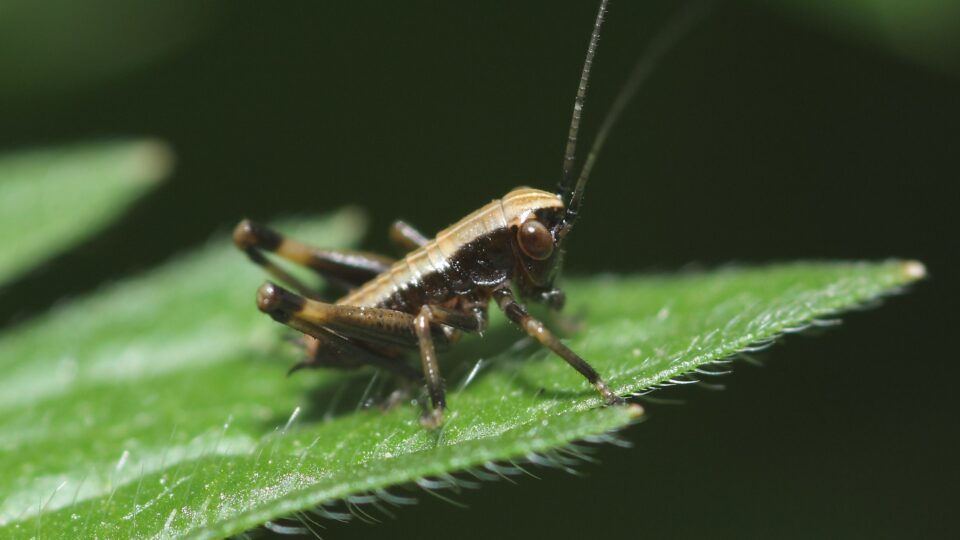
Photo, posted April 17, 2011, courtesy of Dean Morley via Flickr.

Earth Wise is a production of WAMC Northeast Public Radio

Primary Sidebar

Recent Episodes

  • An uninsurable future
  • Clean energy and jobs
  • Insect declines in remote regions
  • Fossil fuel producing nations ignoring climate goals
  • Trouble for clownfishes

WAMC Northeast Public Radio

WAMC/Northeast Public Radio is a regional public radio network serving parts of seven northeastern states (more...)

Copyright © 2026 ·