• Skip to primary navigation
  • Skip to main content
  • Skip to primary sidebar

Earth Wise

A look at our changing environment.

  • Home
  • About Earth Wise
  • Where to Listen
  • All Articles
  • Show Search
Hide Search
You are here: Home / Archives for infertility

infertility

Microplastics and birds

March 19, 2025 By EarthWise Leave a Comment

Microplastics are tiny plastic particles, less than 5 millimeters in size, that come from the breakdown of larger plastics, synthetic fibers, microbeads, and tire wear.  Microplastics are found in oceans, rivers, soil, and even the air we breathe. These particles can take hundreds of years to degrade, spreading across ecosystems and accumulating in unexpected places, such as deep-sea sediments and Arctic sea ice.

According to a new study by researchers from the University of Texas at Arlington, microscopic plastic pollutants drifting through the air are lodging in the lungs of birds.  These findings raise  significant concerns about the impact on their respiratory health, but also raise alarms about potential risks to human health.

Birds were chosen for the study because they are found in almost every corner of the world and often share environments with humans. 

In the study, the research team examined 56 different wild birds from 51 distinct species, all sampled from the Tianfu airport in western China.  The researchers found high concentrations of microplastics in bird lungs, with an average of 221 particles per species.  The most common types identified were chlorinated polyethylene, which is used for insulating pipes and wires, and butadiene rubber, which is a synthetic material in tires.

Although there is no established “safe” level of plastic particles in lung tissue, high levels of microplastics have been linked to serious health risks, including heart disease, cancer, respiratory issues, and fertility problems.

The study highlights an urgent need to tackle plastic pollution in the environment because of its far-reaching impact on ecosystems and human health.  

**********

Web Links

Birds breathe in dangerous plastics—and so do we

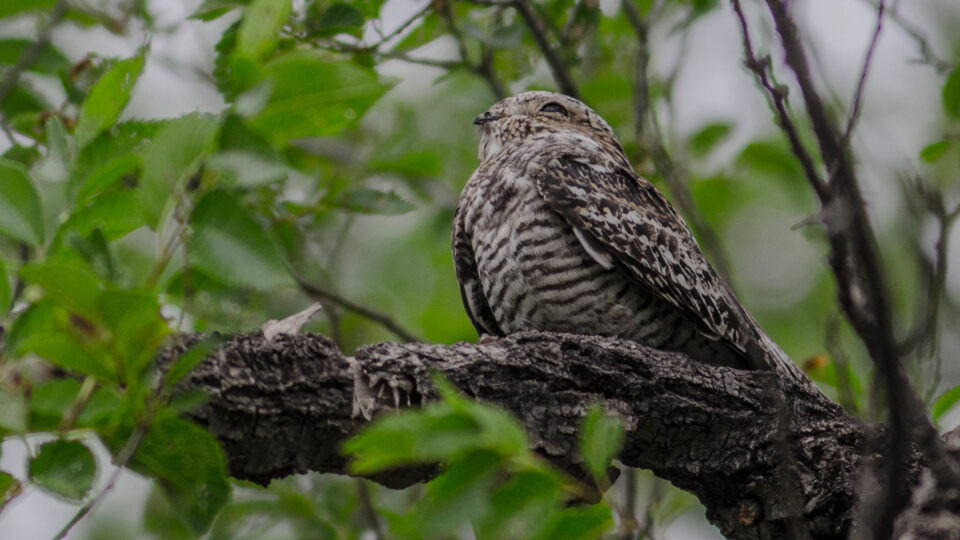
Photo, posted January 28, 2017, courtesy of Pete Richman via Flickr.

Earth Wise is a production of WAMC Northeast Public Radio
Climate Change And Infertility

March 8, 2019 By EarthWise Leave a Comment

Many of us are all too familiar with the effects of climate change.  Our changing climate, as a result of our actions, is leading to rising global temperatures, biodiversity loss, ocean acidification, wildfires, more weather extremes like floods and droughts. But a lesser known effect of climate change could lead to frightening consequences: infertility.

According to researchers at the University of Liverpool, rising temperatures could make some species sterile and lead them to succumb to the effects of climate change far earlier than currently thought. Their work was recently published in the journal Trends in Ecology and Evolution, and it was produced in collaboration with scientists from the University of Leeds, University of Melbourne, and Stockholm University.

Biologists and conservationists are trying to predict where species will be lost due to climate change so that suitable reserves can be established in other locations.  But the problem is that most data on when temperature will make an area unlivable for a species is based on its ‘critical thermal limit’ or CTL.  This is the temperature at which a species would collapse, stop moving, or die. 

The authors of the article fear that the impact of climate change on species survival is being underestimated.  Because rather than zeroing in on lethal temperatures, the scientists argue the focus should be on the temperatures at which organisms can no longer breed.  Extensive plant and animal data suggest organisms lose fertility at a lower temperature than their CTL.

The scientists have proposed a new fertility-based metric to gauge how organisms function as temperatures climb: Thermal Fertility Limit or TFL.  Understanding when a species will cease to reproduce will certainly help conservation measures. 

**********

Web Links

Climate change and infertility — a ticking time bomb?

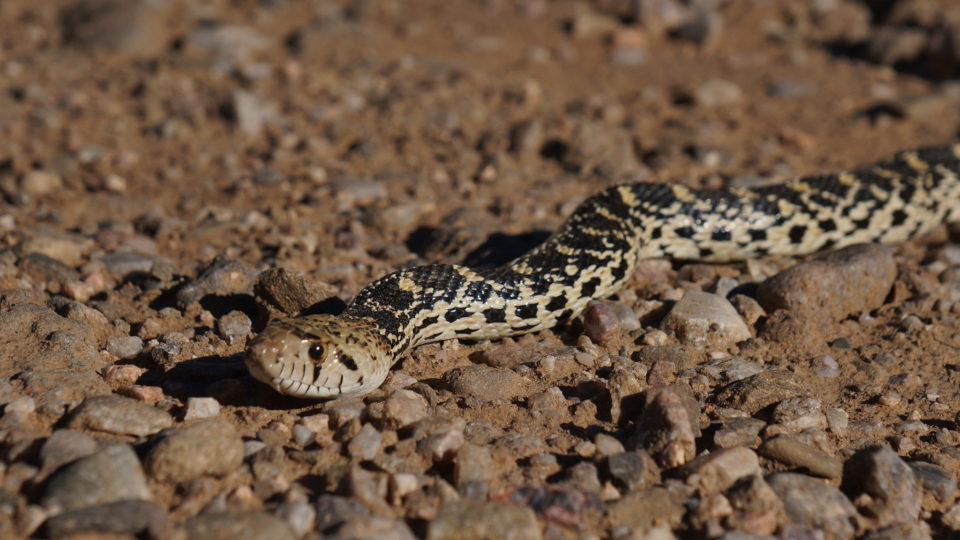
Photo, posted August 11, 2013, courtesy of Mike Lewinski via Flickr.

Earth Wise is a production of WAMC Northeast Public Radio.

Primary Sidebar

Recent Episodes

  • An uninsurable future
  • Clean energy and jobs
  • Insect declines in remote regions
  • Fossil fuel producing nations ignoring climate goals
  • Trouble for clownfishes

WAMC Northeast Public Radio

WAMC/Northeast Public Radio is a regional public radio network serving parts of seven northeastern states (more...)

Copyright © 2026 ·