• Skip to primary navigation
  • Skip to main content
  • Skip to primary sidebar

Earth Wise

A look at our changing environment.

  • Home
  • About Earth Wise
  • Where to Listen
  • All Articles
  • Show Search
Hide Search
You are here: Home / Archives for ignition

ignition

Hurricanes and wildfires

April 3, 2025 By EarthWise Leave a Comment

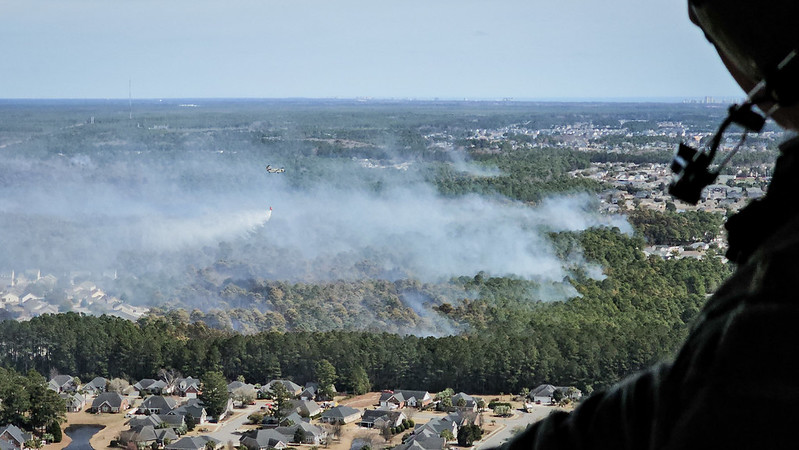
Early March saw more than 200 wildfires break out in the southeastern U.S. – a busy start to the region’s annual fire season.  One fire in the Carolina Forest near Myrtle Beach scorched over 2,000 acres over a two-week period and firefighters were busy containing it and many other blazes.

Strong winds and an unusually long dry period have made fires more likely to ignite and be spread.  Lightning strikes, power line sparking, backyard fire pits and leaf burning all can lead to wildfires under these conditions.

A weather disaster last year may be helping to make this fire season worse than usual.  Hurricane Helene ravaged the Southeast last September, dumping more than a foot of rain in some locations and knocking over hundreds of thousands of acres of trees across the region.

Lots of dead trees lying on the ground allow sunlight to reach the ground and dry out all the biomass, including the trees.  All of this desiccated plant material acts as kindling, providing fuel for wildfires.  Fallen trees can be a fire nuisance for years after a hurricane, especially in the Southeast, where dried out pine needles are highly combustible.  All it takes is an ignition.

In addition, all the fallen trees represent an access issue for firefighters as the logs block roads needed to reach the fires.

Research has shown that climate change is fueling more intense fires in the West.  Whether the changing climate is having a major effect in the Southeast isn’t clear.  But droughts are expected to become more intense and more frequent in the Southeast because of climate change and that isn’t good news for the likelihood of wildfires.

**********

Web Links

How Hurricanes Can Fuel Wildfires in the Southeast

Photo, posted March 5, 2025, courtesy of the U.S. Army National Guard / Roberto Di Giovine via Flickr.

Earth Wise is a production of WAMC Northeast Public Radio
Reliability of renewable energy

February 25, 2025 By EarthWise Leave a Comment

Renewable energy is reliable

Naysayers about renewable energy often claim that it is unreliable.  It is true that the sun sets every night and sometimes the wind doesn’t blow.  But with the growing use of battery banks to store excess power generated by renewables, the lack of reliability of renewable energy is turning out to be a myth.

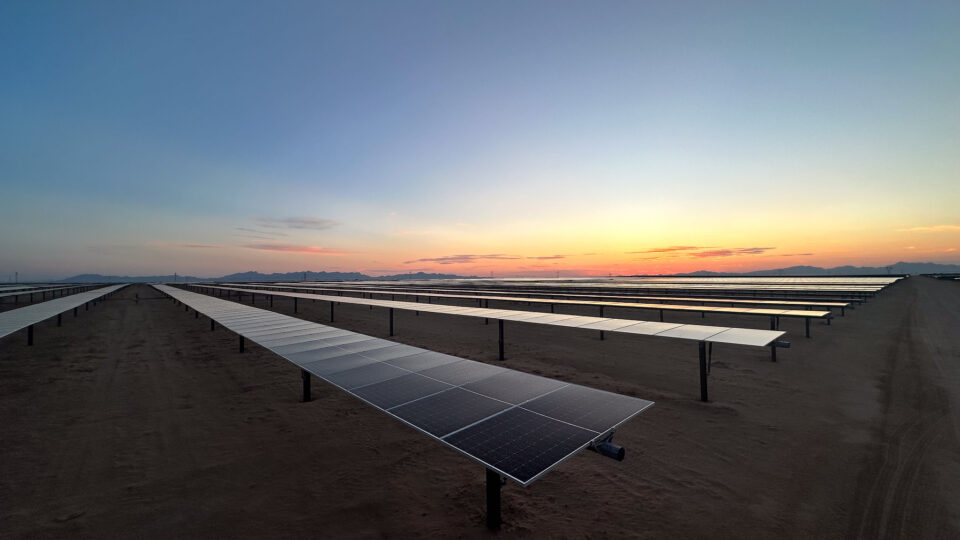
A new study published in the journal Renewable Energy looked at the deployment of renewable energy in California last year.  From late winter to early summer, renewable sources supplied 100% of the state’s electricity demands for up to 10 hours on 98 out of 116 days.  There were no blackouts during that time thanks in part to the presence of battery backup power.  During peak generation periods, the renewables provided as much as 162% of the grid’s needs. 

The main finding of the study is that the electricity grid can be kept stable even as it adds more and more renewables.  Beyond that, every major renewable energy source – geothermal, hydroelectric, wind, and especially solar – is on average lower in cost than fossil fuels.

Despite the low cost of renewable energy, Californians pay the second highest rates for electricity in the country.  Part of the reason is that electrical equipment from utilities has set off wildfires, notably the 2018 Camp Fire that devastated the town of Paradise and killed 85 people.  California’s utilities are now passing the costs that come from lawsuits and from burying transmission lines to their customers.  Overhead power lines are especially prone to falling in high winds and igniting fires.

**********

Web Links

California just debunked a big myth about renewable energy

Photo, posted December 16, 2024, courtesy of EDF Renewables / Bureau of Land Management California via Flickr.

Earth Wise is a production of WAMC Northeast Public Radio
The health impacts of gas venting and flaring

April 15, 2024 By EarthWise Leave a Comment

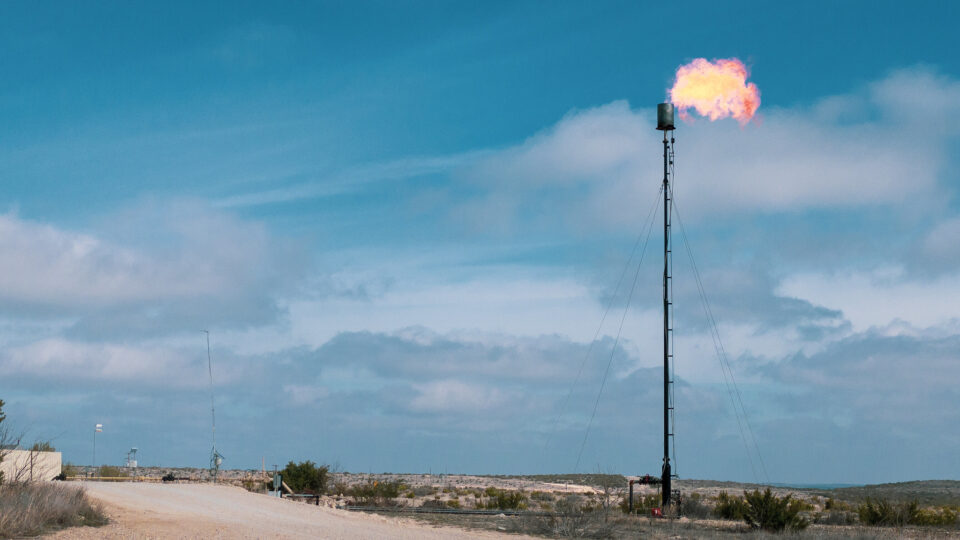
Oil and gas producers around the world use venting and flaring to remove excess natural gas in crude oil production.  Flaring is the process of burning excess natural gas at the production well using a flare to ignite the methane and other components in the gas, while venting is the direct release of natural gas into the atmosphere. 

Both practices are major sources of greenhouse gas emissions contributing to global warming.   Venting and flaring release carbon dioxide and methane – two major greenhouse gases. 

The practices contribute to air pollution in surrounding and downwind communities, resulting in increased risk of hospitalizations, emergency room visits, worsening asthma, and even premature death.  In fact, according to a new study recently published in the journal GeoHealth, pollution from oil and gas venting and flaring results in $7.4 billion in health damages, more than 700 premature deaths, and 73,000 asthma exacerbations among children in the United States annually. 

The study, which was led by researchers at the University of North Carolina, Boston University, and the Environmental Defense Fund, also found that emissions are underreported, and controlling emissions would be profitable for operators and would significantly improve public health.

The research team found that Texas, Pennsylvania, and Colorado had the highest health burdens in this analysis, accounting for 45% of the premature deaths. 

The researchers hope their findings will help improve air quality and human health by reducing emissions from venting and flaring. 

**********

Web Links

New study quantifies health impacts from oil and gas flaring in U.S. 

Photo, posted June 20, 2020, courtesy of Jonathan Cutrer via Flickr.

Earth Wise is a production of WAMC Northeast Public Radio

Primary Sidebar

Recent Episodes

  • An uninsurable future
  • Clean energy and jobs
  • Insect declines in remote regions
  • Fossil fuel producing nations ignoring climate goals
  • Trouble for clownfishes

WAMC Northeast Public Radio

WAMC/Northeast Public Radio is a regional public radio network serving parts of seven northeastern states (more...)

Copyright © 2025 ·