• Skip to primary navigation
  • Skip to main content
  • Skip to primary sidebar

Earth Wise

A look at our changing environment.

  • Home
  • About Earth Wise
  • Where to Listen
  • All Articles
  • Show Search
Hide Search
You are here: Home / Archives for ice coverage

ice coverage

An ice-free Arctic

April 9, 2024 By EarthWise Leave a Comment

A future ice-free Arctic is very likely as the climate warms

According to a new study by Colorado University, Boulder, the Arctic could see summer days with practically no sea ice as soon as sometime in the next few years.  Earlier predictions for when the first ice-free day in the Arctic could occur were sometime well into the 2030s.

By mid-century, the Arctic is likely to see an entire month without floating sea ice.  This would likely be in September, when ice coverage is at its minimum.  By the end of the century, the ice-free season could last for many months during the year.

Technically, an ice-free Arctic does not mean zero ice in the water.  The working definition is less than 386,000 square miles of ice, which represents less than 20% of what the minimum ice coverage was in the 1980s. In recent years, the coverage has been about 1.25 million square miles.

Sea ice coverage is a big deal because many Arctic animals rely on sea ice for survival, including seals and polar bears.  With warmer ocean water, invasive fish species could move into the Arctic Ocean, upsetting local ecosystems.  Sea ice loss also is a risk for coastal communities because the ice buffers the impact of ocean waves on the coastal land.  As the ice retreats, ocean waves would get bigger, eroding the coasts.

At this point, an ice-free Arctic is basically inevitable, but its annual duration will depend on society’s efforts to reduce carbon emissions.  Lengthy periods of minimal sea ice would transform the Arctic into a completely different environment with global effects that are mostly highly undesirable.  However, Arctic sea ice is resilient and could return fairly quickly if the atmosphere cools down.

**********

Web Links

The Arctic could become ‘ice-free’ within a decade

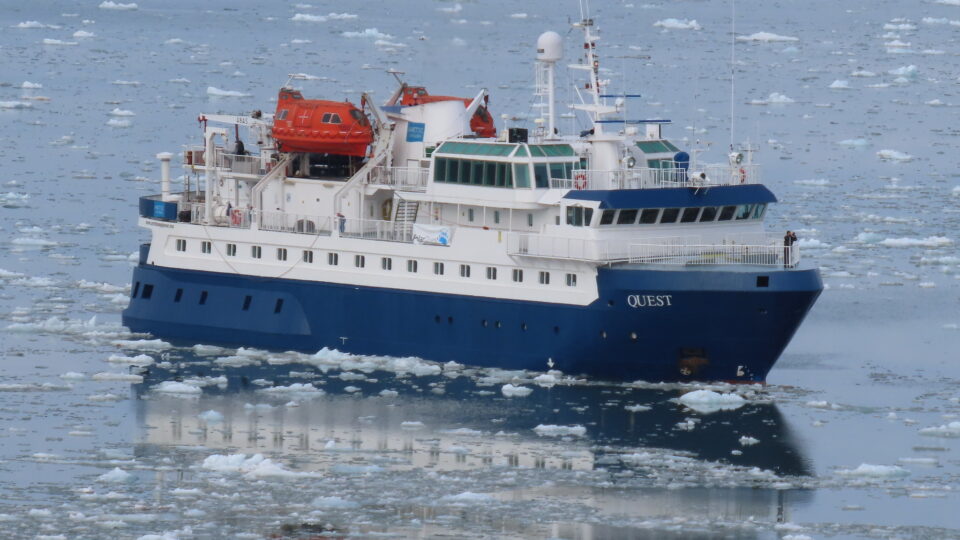
Photo, posted July 9, 2022, courtesy of Reiner Ehlers via Flickr.

Earth Wise is a production of WAMC Northeast Public Radio
Record Low Antarctic Sea Ice | Earth Wise

March 2, 2023 By EarthWise Leave a Comment

Recent satellite observations of the sea ice in the Antarctic found the lowest level of ice cover ever seen in the forty years that these observations have been made.  As of February 8th, there were only 849,000 square miles of the Southern Ocean covered with ice.  The previous record low was measured last February 24th when the total coverage was 876,000 square miles.  Ice melting was likely to continue as the month went on.

This past January had already set a new record for that month’s mean extent of ice coverage at 1.24 million square miles. This rapid decline in sea ice has been going on for the past six years and is very unusual.  Average Antarctic ice cover hardly changed at all during the previous thirty-five years.

Antarctic sea ice generally reaches its maximum extent in September or October and its minimum extent in February.  At its maximum, the sea ice cover in the Antarctic is generally between 6.9 and 7.7 million square miles.   On the other hand, there are some places where the sea ice melts completely during the Southern Hemisphere summer.  Sea ice varies much more in the Antarctic than in the Arctic where the ice is much thicker.

Climate warming at the poles is much higher than at lower latitudes.  Nonetheless, it is not yet clear whether what we are seeing is the beginning of the end of summer sea ice in the Antarctic, or whether this is just a new phase characterized by low but still stable sea ice cover in the summer.

**********

Web Links

Record low sea ice cover in the Antarctic

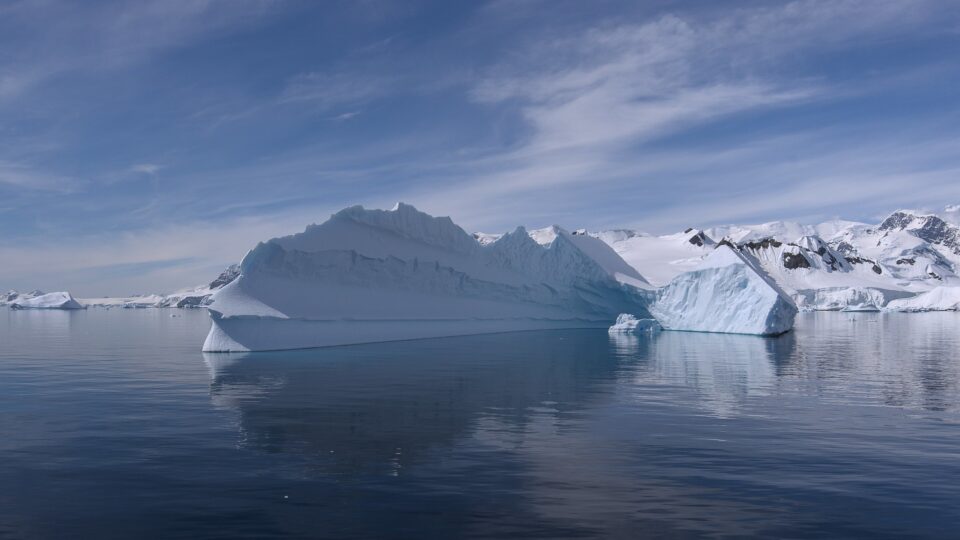
Photo, posted January 24, 2012, courtesy of Rob Oo via Flickr.

Earth Wise is a production of WAMC Northeast Public Radio

Primary Sidebar

Recent Episodes

  • An uninsurable future
  • Clean energy and jobs
  • Insect declines in remote regions
  • Fossil fuel producing nations ignoring climate goals
  • Trouble for clownfishes

WAMC Northeast Public Radio

WAMC/Northeast Public Radio is a regional public radio network serving parts of seven northeastern states (more...)

Copyright © 2026 ·