• Skip to primary navigation
  • Skip to main content
  • Skip to primary sidebar

Earth Wise

A look at our changing environment.

  • Home
  • About Earth Wise
  • Where to Listen
  • All Articles
  • Show Search
Hide Search
You are here: Home / Archives for housing

housing

Floating cities

June 6, 2024 By EarthWise Leave a Comment

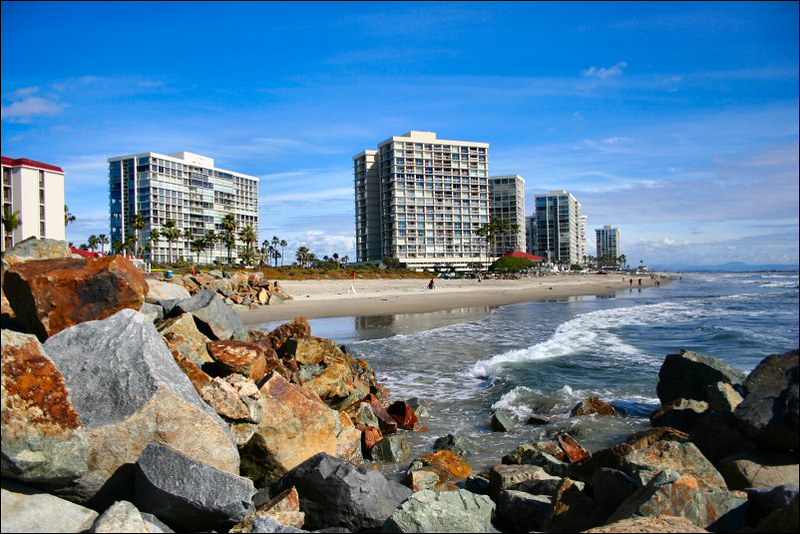
About 40% of the world‘s population lives in coastal regions.  People really like ocean-front property.  But worldwide, rising sea levels mean that more and more people want to live on land that may someday be swallowed up by the sea.

One possible solution to the problem is to build cities on top of the water.  It sounds pretty futuristic and impractical, but it is starting to happen.  There have long been floating communities in places like the Netherlands, but these are for the most part clusters of houseboats moored close together.

But there are far more ambitious projects underway.  The Maldives Floating City, already under construction, will eventually have 5,000 houses located in a lagoon that is a 15-minute boat ride from the capital city of Male.  The housing units will be tethered to the lagoon floor and linked together. 

A new project, located off Busan, South Korea, will combine high and low technology to create a large-scale, on-water town, that can house more than 10,000 people.

The town will be built on enormous concrete platforms suspended on the water.  The platforms float because they are rounded hexagonal boxes that are buoyed up by Archimedes’’ principle.  They can’t sink.  Such structures will attract marine life, providing places for oysters and mussels, for example, to grow. 

The initial development will cover 15 acres and the infrastructure will handle power, water, waste, and even some food.  The goal is even to produce enough energy to provide some to the nearby community.  A bridge will link the community to the land.

The project is scheduled to be completed in 2028.  Future expansion could end up housing 150,000 people.

Floating cities could soon no longer be exotic or futuristic.

**********

Web Links

Are Floating Cities the Solution to Rising Seas?

Photo, posted June 5, 2012, courtesy of Raymond Bucko via Flickr.

Earth Wise is a production of WAMC Northeast Public Radio
Timber Cities | Earth Wise

October 3, 2022 By EarthWise 2 Comments

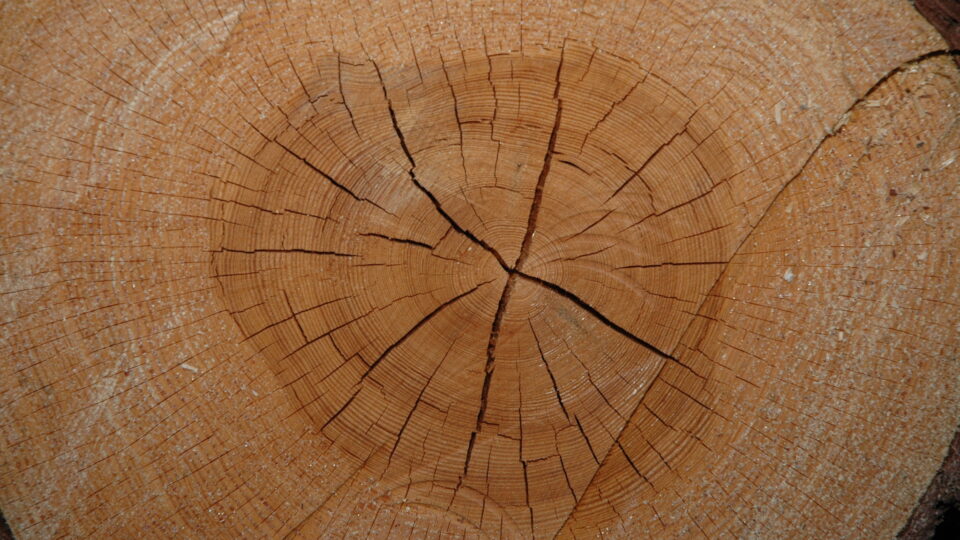
More than half of the world’s population lives in cities and by 2100, this percentage is predicted to be much higher.  This means that more homes will be built with steel and concrete, which both have very large carbon footprints.  According to a study by the Potsdam Institute in Germany, housing a growing population in homes made of wood instead could avoid more than 100 billion tons of carbon dioxide emissions over the remainder of the century.  This is about 10% of the remaining global carbon budget for staying below the 2-degree Celsius climate target.

The study presents the alternative of housing new urban populations in mid-rise buildings – no more than 4-12 stories high – that are substantially made of wood.  Wood is a renewable resource that carries the lowest carbon footprint of any comparable building material.  Trees take up CO2 from the atmosphere to grow.  Producing engineered wood releases far less CO2 than production of concrete and steel and the finished product continues to store carbon.

The study shows that sufficient wood for new mid-rise urban buildings can be produced without a major impact on food production.  The wood would come from timber plantations as well as natural forests.  The study also looked at biodiversity impacts and ways that ecosystems could be protected while still providing the necessary timber.

Overall, the Potsdam study demonstrates that urban homes made out of wood could play a vital role in climate change mitigation based on their long-term carbon storage potential coupled with the reduced utilization of the carbon-intensive concrete and steel industries.

**********

Web Links

Living in timber cities could avoid emissions – without using farmland for wood production

Photo, posted May 24, 2005, courtesy of Stig Anderson via Flickr.

Earth Wise is a production of WAMC Northeast Public Radio
Carbon Storage In Harvested Wood | Earth Wise

September 26, 2022 By EarthWise Leave a Comment

Carbon storage in harvested wood

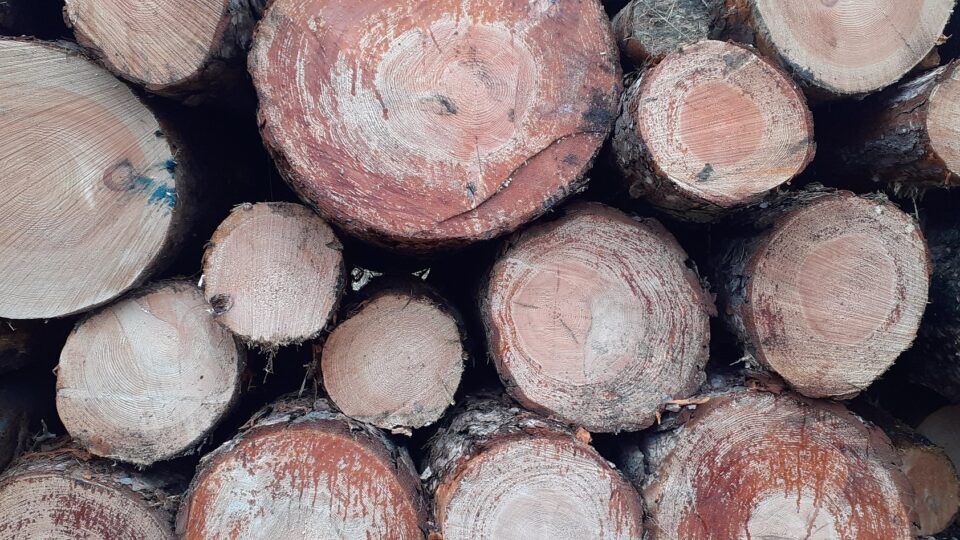
Trees are an exceedingly important carbon sink on our planet.  For this reason, deforestation is a major contributor to climate change.  But when trees are harvested for wood products like lumber, much of the carbon in that wood continues to be stored.  Even when a wood product is discarded at the end of its useful life, it can keep storing carbon.

Over 90% of new single-family homes in the U.S. are built with wood.  Each year, about 400,000 homes, apartment buildings, and other housing units are lost to floods and other natural disasters.  Others fall apart from decay or are torn down to be replaced with newer structures.  Given how much carbon is stored in houses, it is important to understand what the future trajectory of residential structures will be.

A new study by the USDA Forest Service published in the journal PLOS ONE looks at the future of harvested wood products in residential structures.  According to the study, wood products in these structures will continue to increase the country’s carbon storage for the next 50 years. 

Even after residential structures reach the end of their useful life and much of the materials end up in landfills (which is typical in this country), the wood products do not immediately release their carbon.  It may take decades for that to happen.

The study looked at various scenarios for future home construction.  Although housing starts are projected to decline in the future, residential housing and the need to maintain existing structures are projected to continue to increase carbon storage in wood products for the next several decades.

The role of trees as a carbon sink does not end when they are harvested for their wood.

**********

Web Links

Carbon Storage in Harvested Wood Products

Photo, posted January 27, 2022, courtesy of Luke McKernan via Flickr.

Earth Wise is a production of WAMC Northeast Public Radio
Conspicuous Consumption

February 6, 2020 By EarthWise 2 Comments

human consumption and the circular economy

Human civilization consumes vast amounts of material.   The Circle Economy think tank actually puts some numbers on it.  According to their latest report, the amount of material consumed by humanity has passed 100 billion tons every year.  So, on average, every person on Earth uses more than 13 tons of materials per year.

That number has quadrupled since 1970, which is far faster than the population, which has only doubled during that time.  In the past two years alone, consumption has jumped by more than 8%.  While this has been going on, the proportion being recycled has been falling.

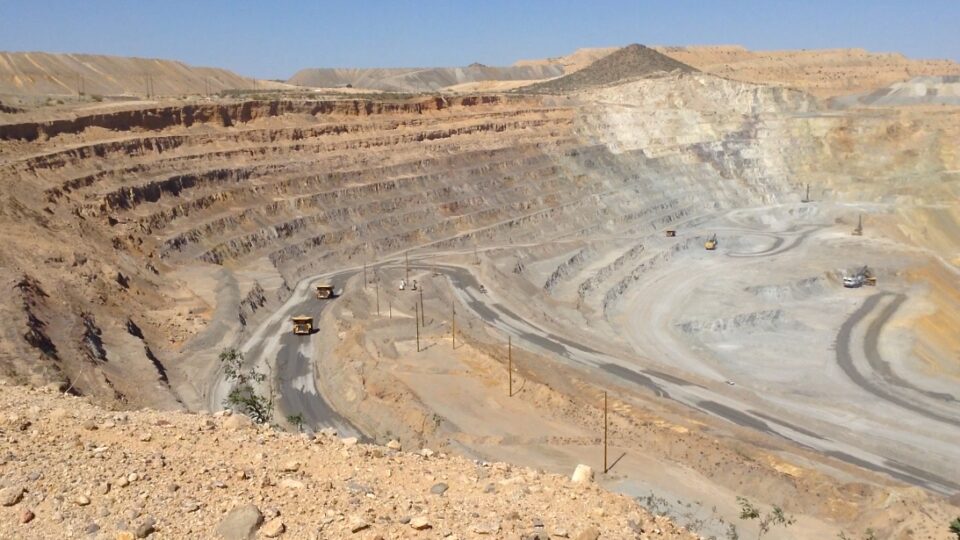
Of the 100 billion tons of materials, half of the total is sand, clay, gravel, and cement used for building, along with other minerals used for fertilizer.  Coal, oil and gas make up 15% and metal ores 10%. The final quarter are plants and trees used for food and fuel.  About 40% of all materials are turned into housing.  A third of the annual materials consumed remain in use, such as in buildings or vehicles.  But 15% is emitted into the atmosphere as greenhouse gases and a third is treated as waste.

The global emergencies of climate change and disappearing wildlife have been driven by the unsustainable extraction of fossil fuels, metals, building materials, and trees.  The authors of the report warn that if we continue to treat the world’s resources as limitless, we are heading for a global disaster.

The Circle Economy think tank promotes the idea of a circular economy in which renewable energy supports systems where waste and pollution are reduced to zero.  Some nations are taking steps towards circular economies, while others are not.  This is a problem we can’t allow to be unaddressed.

**********

Web Links

World Consumes 100 Billion Tons of Materials Every Year, Report Finds

Photo, posted March 13, 2015, courtesy of Joyce Cory via Flickr.

XXXXXXXXXXX

Building For Climate Change

May 13, 2019 By EarthWise Leave a Comment

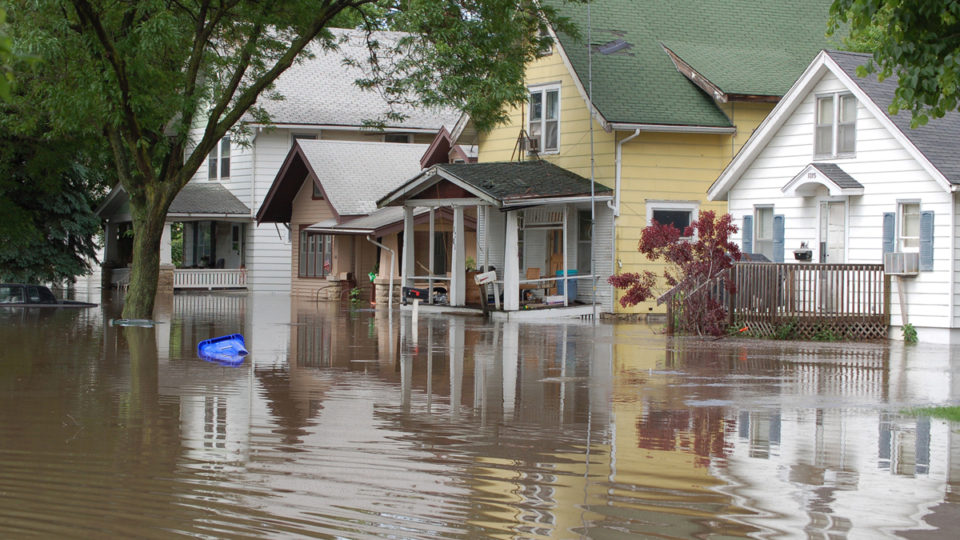
The manifestations of climate change are creating increasingly familiar images:  floodwaters rising up house windows, charred buildings in the wake of wildfires, and homes and businesses demolished by storm winds. As these sorts of calamities become ever more common, changes to how houses are built are going to be necessary.

How can homes become more resilient against severe and unpredictable weather?

Research at Carlton University’s Sprott School of Business looks at this issue.

As an example, houses can be framed and finished in certain ways that help protect them from wind and flooding.  But such methods are currently only happening in the custom-build fringes of the housing sector.  Widespread adoption will require, at the minimum, significant changes to building codes.

Revising building codes is not an easy matter.  The codes themselves are highly technical and complex, and beyond that, the process Is often politicized.

Even simple things like hurricane ties, which are small pieces of hardware that prevent a roof from lifting during a severe wind are not now included in building codes.  Insurance companies support their use as inexpensive protection for houses.  But even though the overall cost is relatively minor, the building industry pushes back at the additional expense.

The need to reduce carbon emissions has created a push for sustainable housing.  But the increasingly erratic weather means that houses also need resilience and adaptation.  These features will inevitably add costs and incorporating them into building codes requires producing convincing business cases.

The U.S. experienced 394 natural catastrophe events last year costing $225 billion in damage.  Finding ways to make homes and businesses more resilient is not just a good idea; it is essential.

**********

Web Links

How to Start Weather-Proofing Homes for Unpredictable Weather

Photo, posted June 12, 2008, courtesy of U.S. Geological Survey via Flickr.

Earth Wise is a production of WAMC Northeast Public Radio.

Primary Sidebar

Recent Episodes

  • An uninsurable future
  • Clean energy and jobs
  • Insect declines in remote regions
  • Fossil fuel producing nations ignoring climate goals
  • Trouble for clownfishes

WAMC Northeast Public Radio

WAMC/Northeast Public Radio is a regional public radio network serving parts of seven northeastern states (more...)

Copyright © 2025 ·