• Skip to primary navigation
  • Skip to main content
  • Skip to primary sidebar

Earth Wise

A look at our changing environment.

  • Home
  • About Earth Wise
  • Where to Listen
  • All Articles
  • Show Search
Hide Search
You are here: Home / Archives for high

high

Trouble for psychedelic toads

August 22, 2025 By EarthWise Leave a Comment

Back in the 1960s, it was discovered that secretions from toads native to the Sonoran Desert have psychedelic properties.  The information did not have much impact for over 40 years but about ten years ago, the story started having widespread exposure in U.S. media outlets and there was increasing publicity for the fact that the toad’s dried secretions could be smoked to produce a brief but intense high.

There was also a false narrative spreading around that this so-called toad medicine was part of an ancient practice of indigenous tribes in the Sonoran Desert.  The active agent in the toad secretion is a compound called 5-MeO-DMT and it became an increasingly popular item being sold by self-described shamans, new-age healers, and other underground practitioners. 

5-MeO-DMT is mostly banned as a controlled substance in the U.S., but many Mexican ranchers have been amassing the toads to sell to foreigners to take back home.  Despite the fact that 5-MeO-DMT has been successfully synthesized, the mystique surrounding the toads makes potential users want to use the natural version.

Researchers have found that trapping the toads in Mexico has decimated several populations of the amphibians and has sent others into steep decline. The species currently has no protections in Mexico.  These desert toads play key roles as both predators and prey and as their population declines, there are likely to be some serious ecological problems.  There is already anecdotal evidence that in many places in the desert, crop-eating insect populations have surged in recent years.

**********

Web Links

These Toads Have Psychedelic Powers, but They’d Prefer to Keep It Quiet

Photo, posted December 12, 2017, courtesy of K.S. Black via Flickr.

Earth Wise is a production of WAMC Northeast Public Radio
New highs for carbon dioxide

April 11, 2025 By EarthWise Leave a Comment

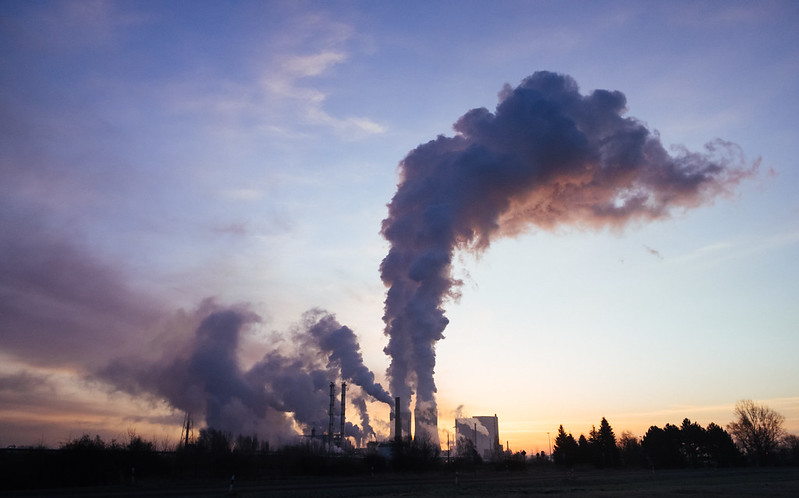
New highs reached for global carbon dioxide emissions

Last year was the hottest year on record and the ten hottest years on record have in fact been the last ten years.  Ocean heat reached a record high last year and, along with it, global sea levels.  Those are rising twice as fast as they did in the 1990s.

The World Meteorological Organization reports that the global atmospheric concentration of carbon dioxide reached a new observed high in 2023, which is the latest year for which global annual figures are available.  The level was 420 ppm, which is the highest level it has been in 800,000 years. 

The increase in carbon dioxide levels was the fourth largest one-year change since modern measurement began in the 1950s.  The rate of growth is typically higher in El Niño years because of increases from fire emissions and reduced terrestrial carbon sinks.

Concentrations of methane and nitrous oxide – which are two other key greenhouse gases – also reached record high observed levels in 2023.  Levels of both of these gases have also continued to increase in 2024.

The annually averaged global mean near-surface temperature in 2024 was 1.55 degrees Celsius above the 1850-1900 average.  Apart from being the warmest year in the 175 years records have been kept, it is also above the 1.5-degree limit set as the goal of the Paris Climate Agreement.  While a single year above 1.5 degrees of warming does not mean that the efforts to limit global warming have failed, it is a strong warning that the risks to human lives, economies, and the planet are increasing.

**********

Web Links

Carbon Dioxide Levels Highest in 800,000 Years

Photo, posted January 30, 2018, courtesy of Johannes Grim via Flickr.

Earth Wise is a production of WAMC Northeast Public Radio

Bad news for birds

April 1, 2025 By EarthWise Leave a Comment

The 2025 U.S. State of the Birds report was released recently.   The report is produced by a coalition of leading science and conservation organizations.  The bottom line is that there have been continued widespread declines in American bird populations across all mainland and marine habitats. 

More than one-third of U.S. bird species are of high or moderate conservation concern.  Among these, 112 are tipping point species that have lost more than 50% of their populations over the last 50 years. 

Protecting bird species is not just about biodiversity and stewardship of nature.  Wild birds have surprisingly large economic impact.  Nearly 100 million Americans are engaged in birding activities which contribute substantially to local and state economies.  The 2022 National Survey of Fishing, Hunting, and Wildlife-Associated Recreation estimated that the total economic output related to bird watching activities was an amazing $279 billion and birding-related activities support 1.4 million jobs.  Bird watching and other encounters with nature are beneficial for human well-being, including reducing stress, anxiety, and depressive symptoms.

The rapid declines in birds are related to habitat loss, environmental degradation, and extreme weather events.  Moreover, if conditions are not healthy for birds, they are unlikely to be healthy for people as well.  Fortunately, many actions that are good for birds are good for us, so conservation efforts going forward are important.

**********

Web Links

State of America’s birds: Population declines continue

Photo, posted October 30, 2018, courtesy of Shenandoah National Park via Flickr.

Earth Wise is a production of WAMC Northeast Public Radio

Drying rivers and hydropower

February 7, 2025 By EarthWise Leave a Comment

Drying rivers threaten hydropower around the world

A decade ago, Ecuador began a major transition to using hydroelectric power.  Like in many other South American countries, the presence of abundant rivers could supply large amounts of energy and drive economic expansion and lead to a new era of prosperity.

This ambitious plan has run into the impacts of climate change.  An extraordinary drought has engulfed much of South America, drying rivers and reservoirs, and has put Ecuador’s power grid on the brink of collapse. 

Since September, daily energy cuts in Ecuador have lasted as long as 14 hours.  An industry group says that the nation is losing $12 million in productivity and sales for every hour the power is out.  Just a few years ago, Ecuador was making great strides in reducing poverty.  Now, as the energy crisis has increased its grip on the country, much of what was achieved is being lost.

Ecuador’s situation is not unique.  In recent years, abnormally dry weather in multiple places has resulted in extreme low water levels in rivers, reducing hydropower resources in Norway, Canada, Turkey, and even rainforest-rich Costa Rica.

Overall, more than one billion people live in countries where more than half of their energy comes from hydroelectric plants.  With a warming climate and increasing incidence of extreme weather events like drought, it is likely that hydropower will become a less reliable energy source.  More than a quarter of all hydroelectric dams are in places with a medium to high risk of water scarcity by 2050. 

**********

Web Links

The Rivers Run Dry and the Lights Go Out: A Warming Nation’s Doom Loop

Photo, posted January 15, 2020, courtesy of Pedro Szekely via Flickr.

Earth Wise is a production of WAMC Northeast Public Radio
Species and climate change

July 4, 2024 By EarthWise Leave a Comment

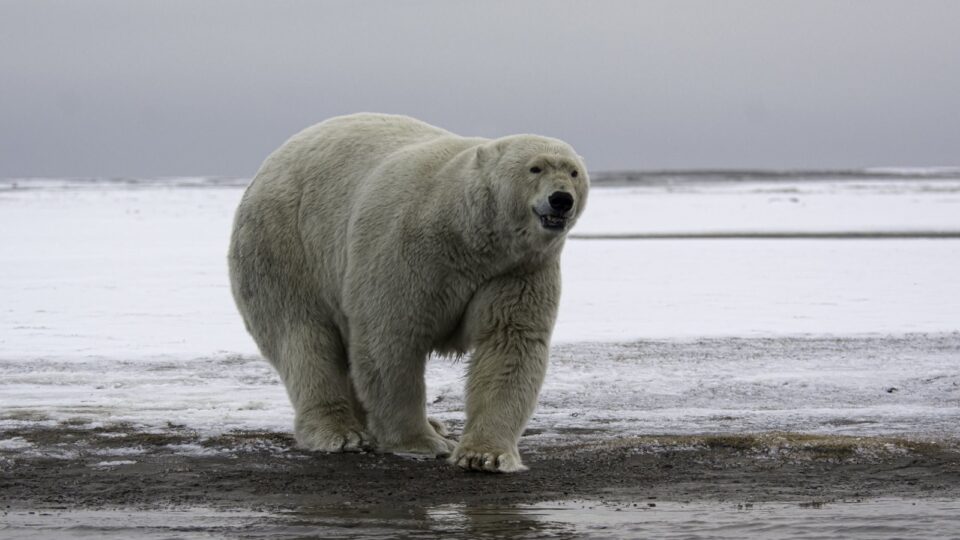
Some species may possess pre-adaptations that could help them better tolerate climate change

Temperature extremes on Earth currently range from a low of -129°F to a high of 134°F.  But these climatic limits have changed throughout history.  In fact, during the last interglacial period 130,000 years ago, temperatures were warmer, resembling what we are projected to experience at the end of this century.

Species that evolved during such periods may possess pre-adaptations that could help them tolerate upcoming changes to the climate.  This factor is often overlooked by traditional statistical models predicting species’ responses to climate change.

But a new model, developed by researchers from Ifremer in France and Lausanne University in Switzerland, has taken this oversight into account, and reassessed the proportion of terrestrial and marine species threatened with extinction by climate change. 

In the study, which was recently published in the journal Nature Ecology and Evolution, the research team applied its model to nearly 25,000 terrestrial and marine species from around the world.  The researchers discovered that 49% of these species live in climate niches near the current climatic limits, and 86% could potentially extend beyond these limits. 

The most surprising result concerns tropical regions. While forecasts from traditional models estimate that the diversity of terrestrial species in tropical areas could decrease by 54% between now and 2041-2060, the new model predicts a more moderate decline of 39%.

The findings confirm the importance of taking urgent measures to mitigate climate change and its impact on biodiversity.

**********

Web Links

Some species may better tolerate climate change than expected

Photo, posted October 23, 2015, courtesy of Anita Ritenour via Flickr.

Earth Wise is a production of WAMC Northeast Public Radio

A month of extra-hot days

June 19, 2024 By EarthWise Leave a Comment

Climate change increasing number of hot days each year

The past 12 months have been the hottest ever measured across the globe.  This may not be everyone’s experience in every location, but the average person on Earth experienced 26 more days of abnormally high temperatures than they would have in the absence of climate change.

Researchers considered a given day’s temperature to be abnormally high in a particular location if it exceeded 90% of the daily temperatures recorded there between 1991 and 2020.  Nearly 80% of the world’s population experienced at least 31 days of abnormal warmth since May of 2023.  Theoretically, the number of unusually warm days would have been far fewer in the absence of global warming.

In some countries, the extra-warm days added up to two or three weeks.  In others, such as Colombia, Indonesia, and Rwanda, there were up to 4 months of them. The average American experienced 39 days of extra-warm temperatures since last May.

Scientists also added up how many extreme heat waves the planet experienced since last May.  These are defined as episodes of unseasonable warmth across a large area, lasting three or more days, and causing significant loss of life or disruption to infrastructure or industry.  In total, the researchers identified 76 such episodes, affecting 90 countries, on every continent except Antarctica.

The world’s climate is now shifting toward the La Niña phase of the cyclical pattern called the El Niño-Southern Oscillation. This usually leads to cooler temperatures on average, but the recent heat could have lingering effects on weather and storms for months to come, including what is expected to be an extraordinarily active Atlantic hurricane season.

**********

Web Links

Climate Change Added a Month’s Worth of Extra-Hot Days in Past Year

Photo, posted December 21, 2011, courtesy of Maggie Lin Photography via Flickr.

Earth Wise is a production of WAMC Northeast Public Radio

Skiing and climate change

April 12, 2024 By EarthWise Leave a Comment

Climate change threatens the future of skiing

According to the National Oceanic and Atmospheric Administration, anthropogenic climate change resulting in higher average temperatures has caused a global decline in snowfall.  Less snow threatens to reinforce global warming, and to disrupt food, water, and livelihoods for billions of people.  

According to a new study recently published in the journal PLOS ONE, annual snow cover days in all major skiing regions are projected to decrease dramatically as a result of climate change.  In the study, the research team from the University of Bayreuth in Germany examined the impact of climate change on annual natural snow cover in seven major skiing regions.  Using the public climate database CHELSA, the researchers predicted annual snow cover days for each ski area for 2011-2040, 2041-2070, and 2071-2100 under low, high, and very high carbon emissions scenarios.

Under the high emissions scenario, 13% of ski areas are predicted to lose all natural snow cover by 2071-2100 relative to their historic baselines.  By 2071-2100, average annual snow cover days were predicted to decline by 78% in the Australian Alps, 51% in the Southern Alps, 50% in the Japanese Alps, 43% in the Andes, 42% in the European Alps, 37% in the Appalachians, and 23% in the the Rocky Mountains – all declines relative to their historic baselines.

The future losses of natural snow cover in ski areas around the world will be significant if global emissions continue unchecked.

**********

Web Links

The future is likely less skiable, thanks to climate change

New maps show where snowfall is disappearing

Photo, posted April 14, 2006, courtesy of Kallu via Flickr.

Earth Wise is a production of WAMC Northeast Public Radio

Record energy transition investments

March 5, 2024 By EarthWise Leave a Comment

Record investments in the energy transition

Global investment in the energy transition – that is, the transition away from fossil fuels – increased by 17% in 2023, reaching a new high of $1.8 trillion dollars.  That number includes spending on electric vehicles and their associated infrastructure, electrification of the power grid, and various other changes to the energy system.

Electrified transport was the largest sector for spending, accounting for $634 billion dollars.  This figure includes spending on electric cars, trucks, buses, two- and three-wheeler, and commercial vehicles, as well as charging stations and other associated infrastructure.

The renewable energy sector – including wind, solar, geothermal, and biofuel power plants – accounted for $623 billion.  The third largest investment was $310 billion in power grid investments.

China spent the most of any country by a large margin, investing $676 billion. The EU, U.S., and UK combined accounted for $718 billion. 

These numbers reflect the rapid growth of clean energy across the globe and are obviously quite large.  However, the pace at which clean energy technology is growing is not fast enough to achieve the goal of net-zero emissions by mid-century that most countries have set.  By many accounts, energy transition investments would need to average $4.8 trillion per year for the rest of the decade to be on track.  This is about 5.6% of the global gross domestic product that is currently about $85 trillion per year.  By comparison, the U.S. currently spends about 5.7% of its GDP on energy.

**********

Web Links

Energy transition investments hit record $1.8 trillion in 2023

Photo, posted November 22, 2008, courtesy of Oregon Department of Transportation via Flickr.

Earth Wise is a production of WAMC Northeast Public Radio
Record high emissions

January 3, 2024 By EarthWise Leave a Comment

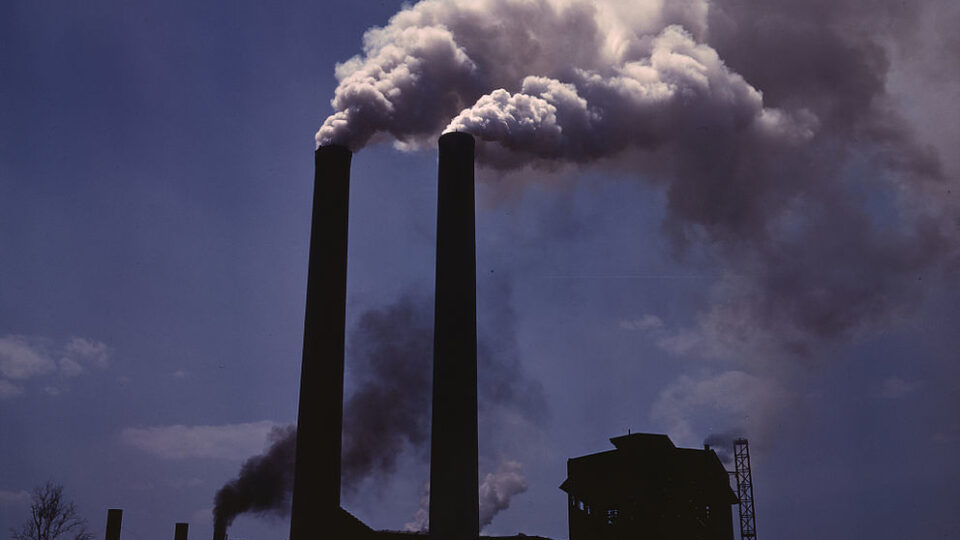
Record high emissions in 2023

The world is adding solar and wind power to the grid.   We are driving more and more electric cars.  Countries are pledging to cut back fossil fuel use.  There are highly visible international conferences on the climate crisis.   But despite all of these things, global carbon emissions from fossil fuels have risen once again in 2023, reaching all-time record high levels of more than 40 billion tons, about 1.1% more than the previous year.

In some places, including Europe and the U.S., fossil fuel CO2 emissions are falling, but globally, they are still rising.  Emissions continued to increase in India and China.  Global action to cut fossil fuel use is not happening fast enough to prevent the increasingly dangerous effects of climate change.

Global CO2 emissions include both the contributions of fossil fuel use and the effects of land use change.  Adding the two together, in 2023 the total was about 45 billion tons, basically unchanged from last year. 

Adding insult to injury are the emissions from fires.  The extreme wildfire seasons in Canada, Australia, and other places have contributed CO2 emissions much larger than historical averages.

About half of all the carbon dioxide emitted on Earth is absorbed by carbon sinks on land and the oceans.  The other half remains in the atmosphere, where levels are now averaging 419 parts per million, 51% above pre-industrial levels.

Current efforts are simply not profound enough or widespread enough to put global emissions on a downward trajectory.  Some climate policies in some places are proving effective, but much more needs to be done.

**********

Web Links

Fossil CO2 emissions at record high in 2023

Photo, posted December 18, 2013, courtesy of Steve Nelson via Flickr.

Earth Wise is a production of WAMC Northeast Public Radio
Another Hot November

January 3, 2020 By EarthWise Leave a Comment

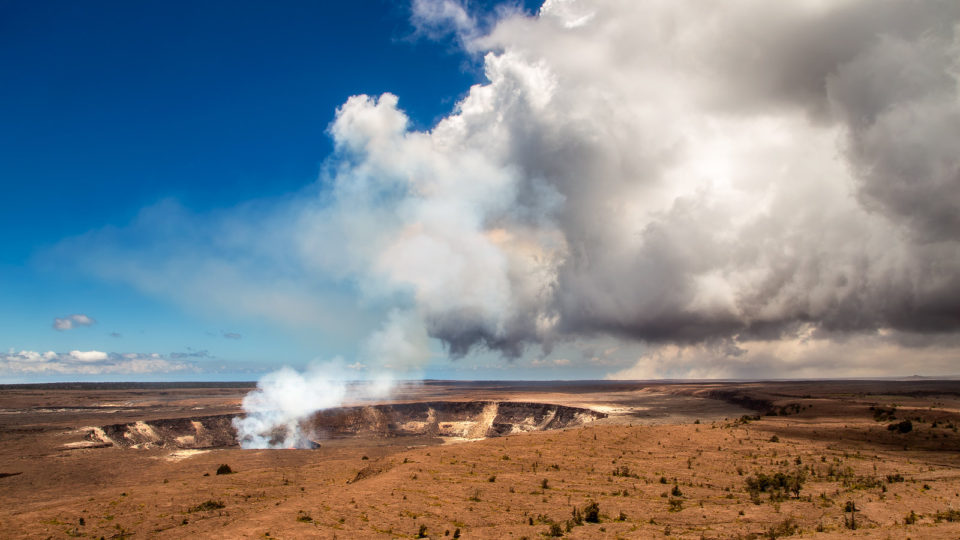
This past fall saw yet more of the high temperatures the world has been experiencing in recent times.  Both the season (September through November) and the year to date were the second hottest in recorded history.  November itself was the second-hottest November in the 140-year global climate record.

The high temperatures were felt at both ends of the world.  Sea ice coverage across both the Arctic and Antarctic oceans fell to near-record lows in November.  Arctic sea ice coverage was nearly 13% below the 1981-2010 average, while Antarctic coverage was 6.35% below average.

The average global land and ocean surface temperature for November was 1.66 degrees Fahrenheit above the 20th century average.  The year-to-date global temperature was 1.69 degrees Fahrenheit above the 20th century average.  These numbers correspond to almost a 1-degree Celsius increase, which should be compared with the Paris Climate Accord goal of keeping that increase to no more than 1.5 degrees.

November was the hottest November on record for South America, Africa, and the Hawaiian Islands.  The Caribbean had its second-hottest November, and Europe had its seventh hottest on record.

The world’s average sea surface temperature ranked second warmest for the year to date and was only 0.05 degrees cooler than the all-time record.

The National Oceanic and Atmospheric Administration issues monthly global climate reports and for quite some time, these reports seem to all be the same.  Another new record for heat or at least another near record.  We have to expect that this trend will continue at least until the world starts making progress in dealing with its root cause.

**********

Web Links

November 2019 was 2nd hottest on record for the planet

Photo, posted July 20, 2016, courtesy of Salehin Chowdhury via Flickr.

Earth Wise is a production of WAMC Northeast Public Radio.

Primary Sidebar

Recent Episodes

  • An uninsurable future
  • Clean energy and jobs
  • Insect declines in remote regions
  • Fossil fuel producing nations ignoring climate goals
  • Trouble for clownfishes

WAMC Northeast Public Radio

WAMC/Northeast Public Radio is a regional public radio network serving parts of seven northeastern states (more...)

Copyright © 2025 ·