• Skip to primary navigation
  • Skip to main content
  • Skip to primary sidebar

Earth Wise

A look at our changing environment.

  • Home
  • About Earth Wise
  • Where to Listen
  • All Articles
  • Show Search
Hide Search
You are here: Home / Archives for herbicide resistance

herbicide resistance

Giant Farming Robots | Earth Wise

April 20, 2023 By EarthWise Leave a Comment

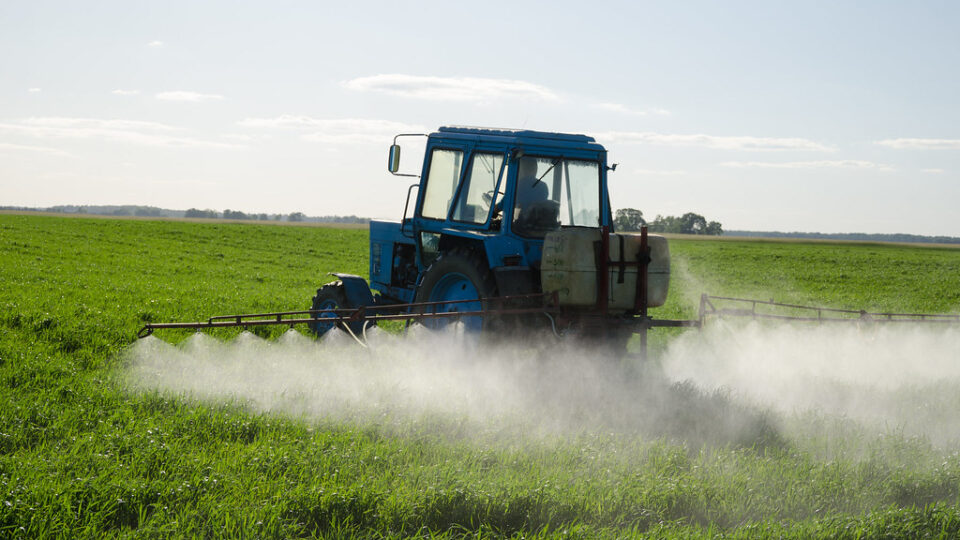
Farmers are perpetually engaged in a battle against weeds, which can strangle crops and destroy their yields.  There are basically two ways to fight weeds:  spraying herbicides that are bad for the environment and human health or using human labor to pull the weeds by hand. 

Both choices are increasingly undesirable.  Herbicide resistance is a growing problem facing farms around the world and widespread labor shortages in the agricultural sector are making it increasingly difficult to use human resources to combat weeds.

A startup company called FarmWise founded by an MIT engineering alumnus is providing a third option for farmers.  The company has developed giant autonomous weeding robots that use artificial intelligence to cut out weeds without damaging crops.

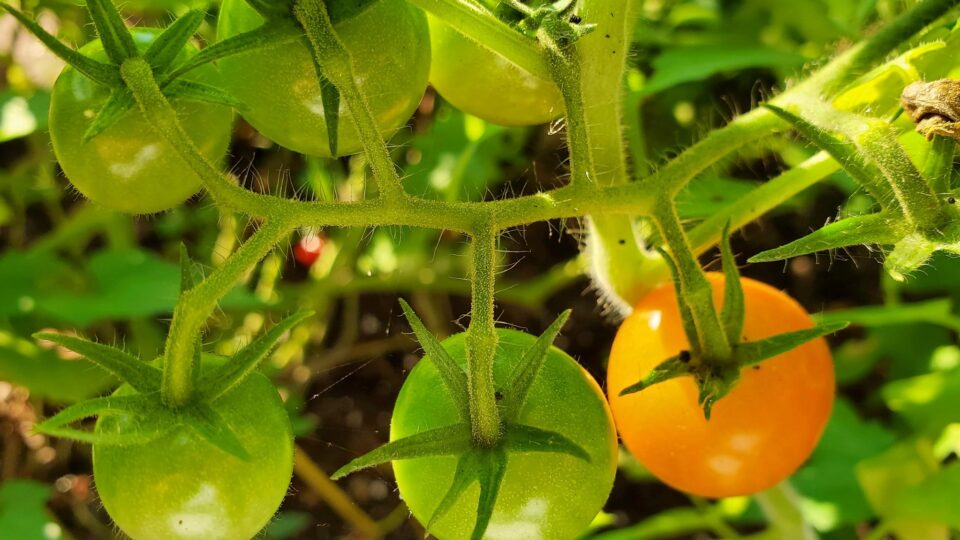
The company’s first product is called the Titan.  It looks like a large tractor without a driver’s seat.  It uses machine vision to distinguish weeds from crop plants like leafy greens, cauliflower, artichokes, and tomatoes.  It snips off the weeds with sub-inch precision.

Fifteen titan robots have been roaming the fields of 30 large farms in California and Arizona for several years.  A newer robot, called the Vulcan, is more lightweight and is pulled by a tractor.  FarmWise continues to add new crops to its database so that the robots can be used to fight weeds in more and more kinds of farms.

Weed problems are especially acute for farmers of specialty crops, which grow on smaller farms than corn and soybeans, and have unique growing practices, which limit the effectiveness of chemical and technical solutions. 

The overall goal of FarmWise is to turn artificial intelligence into a tool that is as reliable and dependable as GPS is now in the farming industry.

**********

Web Links

Titanic robots make farming more sustainable

Photo, posted August 23, 2021, courtesy of Carol VanHook via Flickr.

Earth Wise is a production of WAMC Northeast Public Radio
Agriculture Turning Wild Plants Into Weeds | Earth Wise

February 7, 2023 By EarthWise Leave a Comment

Modern agriculture practices are turning wild plants into weeds

We often hear about the importance of native plants in the environment and how invasive species can wreak havoc with ecosystems.   But it turns out that human activities can change the characteristics of native species and create unexpected new problems.

Common waterhemp is plant native to North America that typically grows near lakes and streams.  It never used to be any kind of problem, but in recent times it has become nearly impossible to eradicate from farms as a result of genetic adaptations triggered by modern agriculture.

A study led by researchers at the University of British Columbia looked at waterhemp samples from modern farms and neighboring wetlands and compared them with historical samples dating back as far as 1820 stored in various museums.

In recent times, mutations in genes related to drought tolerance, rapid growth, and resistance to herbicides have resulted in waterhemp that has become a pervasive weed on farms.  These genetic shifts, scarcely ever seen in historical samples, have made the plant thrive among human agricultural activities and enable it to outcompete crops.

Genetic analysis of the plants showed that herbicide-resistant mutations that were mostly absent from historical samples stand out as factors that allow waterhemp to prosper in agricultural settings. There are some plants in natural habitats that have herbicide-resistant mutations, but in many cases, these mutations are actually harmful to the plants in the wild.

Understanding how plant adaptations occur on relatively short timescales is increasingly important as farming and climate  change continue to drive rapid plant evolution.

**********

Web Links

How intensive agriculture turned a wild plant into a pervasive weed

Photo, posted February 16, 2016, courtesy of Aqua Mechanical via Flickr.

Earth Wise is a production of WAMC Northeast Public Radio

Primary Sidebar

Recent Episodes

  • An uninsurable future
  • Clean energy and jobs
  • Insect declines in remote regions
  • Fossil fuel producing nations ignoring climate goals
  • Trouble for clownfishes

WAMC Northeast Public Radio

WAMC/Northeast Public Radio is a regional public radio network serving parts of seven northeastern states (more...)

Copyright © 2026 ·