• Skip to primary navigation
  • Skip to main content
  • Skip to primary sidebar

Earth Wise

A look at our changing environment.

  • Home
  • About Earth Wise
  • Where to Listen
  • All Articles
  • Show Search
Hide Search
You are here: Home / Archives for gulf of california

gulf of california

The most endangered marine mammal

July 9, 2024 By EarthWise Leave a Comment

How to protect the most endangered marine mammal

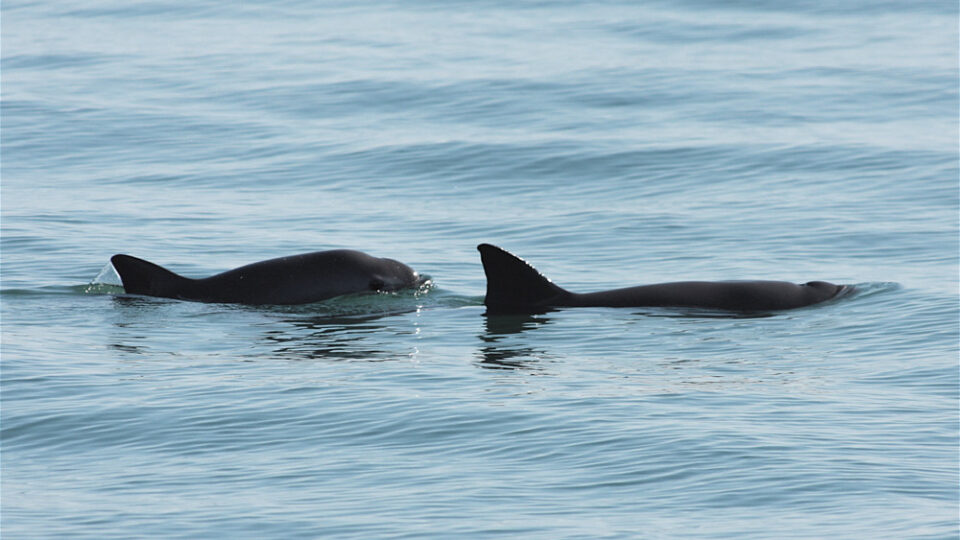
For the better part of a decade, conservationists have been trying to eliminate the use of gill nets by fishermen in the Gulf of California.  Species such as the corvina fish have been decimated by the use of this fishing gear.  The nets also trap other marine creatures, include the rare and elusive vaquita porpoise.

The vaquita is the world’s smallest porpoise, measuring no more than five feet in length.  It is the most endangered marine mammal. They live only in the Gulf of California, which is the site of intense fishing activity. Some of that activity is directed towards a fish called the totoaba, which is an endangered species itself.  The totoaba’s swim bladder is highly prized for Chinese traditional medicine, so there is a booming illegal market for it.  The gill nets used to catch totoaba are especially lethal to vaquitas.

Every year, for a few weeks, an international team of scientists searches the Gulf for vaquitas.  Recent surveys estimated that there are around 10 individuals in the area where they are most likely to be living.  This year’s survey estimated that six to eight vaquitas are in the area.  The ones spotted appeared to be in good health and one yearling was seen.

Officially, fishing with gill nets is banned throughout much of the upper Gulf of California.  In practice, enforcement has been difficult to do.  However, the Mexican government has been making an effort to improve the situation.  The Mexican Navy dropped 193 concrete blocks with giant hooks designed to entangle gill nets to deter fishers and they plan to drop more.

The survival of the vaquita depends on whether the use of gill nets stops.

**********

Web Links

The Most Endangered Marine Mammal Still Exists. Here’s the Latest Count.

Photo, posted July 12, 2011, courtesy of Semarnat via Flickr.

Earth Wise is a production of WAMC Northeast Public Radio

The Colorado River crisis

May 15, 2024 By EarthWise Leave a Comment

The Colorado River serves nearly 40 million people in seven U.S. states and Mexico.  It provides water for 5 million acres of farmland.  Increasing demand from growing populations, damming, diversion, and drought have been draining the Colorado at alarming rates.  This critical resource supports countless economies, communities, and ecologies stretching from the Rocky Mountains to the Gulf of California.  The Colorado River essentially has made the cities of Las Vegas, Los Angeles, Denver, and Phoenix possible.

How the water of the Colorado is distributed is determined by an agreement that is over 100 years old:  the Colorado River Compact.  It was made at a time when people thought there was more water than really was there.  And at the time, no one thought that the seven states would need to use the water they were allocated down to the last drop.

There have been various measures over the years to conserve water from the Colorado River, including the Colorado River Interim Guidelines in 2007.  Those guidelines will expire in 2026 and negotiations are beginning to take place among the many stakeholders scrambling for water rights.  Apart from the seven U.S. states and Mexico, there are 30 tribal nations involved.  Collaborative governance is complicated when it crosses multiple jurisdictions with their own laws and legal precedents.  The goal is to put in place a new agreement to protect the Colorado River.

Rapidly-growing populations in major cities, a 20-year megadrought, and historically low water levels in America’s two largest reservoirs have put enormous pressure on the Colorado River.  Creating a plan to protect the lifeblood of the American West is essential.

**********

Web Links

Addressing the Colorado River crisis

Photo, posted June 18, 2022, courtesy of Jeff Hollett via Flickr.

Earth Wise is a production of WAMC Northeast Public Radio
Water For Arizona | Earth Wise

July 17, 2023 By EarthWise Leave a Comment

Arizona looking for creative solutions to solve its water crisis

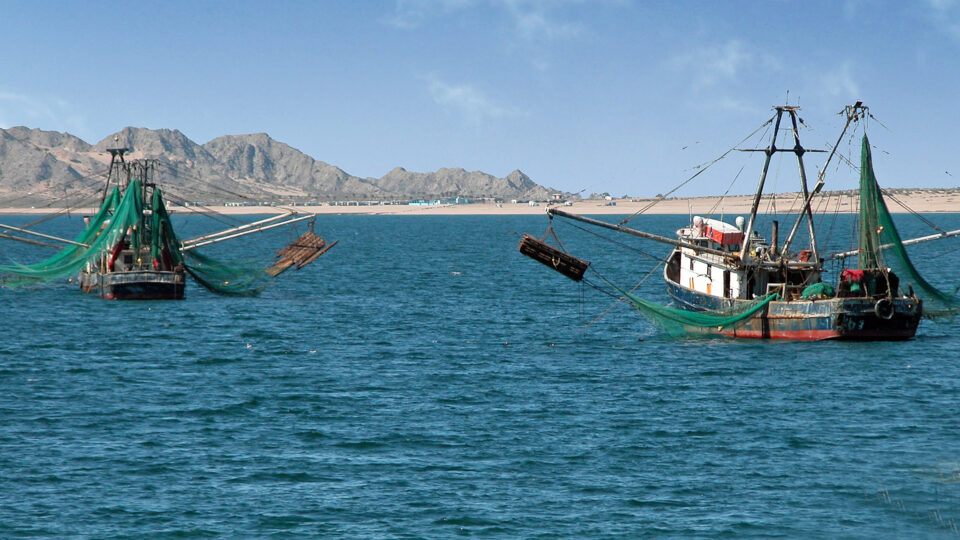
The Phoenix area is the fastest growing region in the country.  Arizona’s two major sources of water – groundwater and the Colorado River – are dwindling from drought, climate change, and overuse.  Officials in the state are considering a radical plan to construct a desalination plant off the Mexican coast that will take the salt out of seawater, and then pipe that water hundreds of miles, much of it uphill, to Phoenix.

The project is the brainchild of the Israeli company, IDE, which is one of the world’s largest desalination companies.  IDE has asked Arizona to sign a 100-year contract to buy water from the project. 

There are multiple complications surrounding the plan.  Desalination plants are common in California, Texas, and Florida, and in more than 100 other countries.  But the Arizona project is unusual because of the distance involved and because the state is landlocked.  The water would have to travel 200 miles and climb 2,000 feet along the way.

There is also the issue of waste brine, which is a major output of desalination plants.  In this case, the brine would flood the northern Gulf of California, potentially threatening a productive fishery.  In addition, the pipeline, as well as electrical transmission lines, would have to go through the Organ Pipe Cactus National Monument, a UNESCO biosphere reserve.

The plant would be located in Puerto Peñasco, a struggling town with its own water problems.

With booming home construction going on in the Phoenix area, the need for more water continues to grow.  Whether this plan will be approved by Arizona and by Mexico remains to be seen.

**********

Web Links

Arizona, Low on Water, Weighs Taking It From the Sea. In Mexico.

Photo, posted September 26, 2008, courtesy of Dan via Flickr.

Earth Wise is a production of WAMC Northeast Public Radio
Trouble On The Colorado

April 4, 2019 By EarthWise Leave a Comment

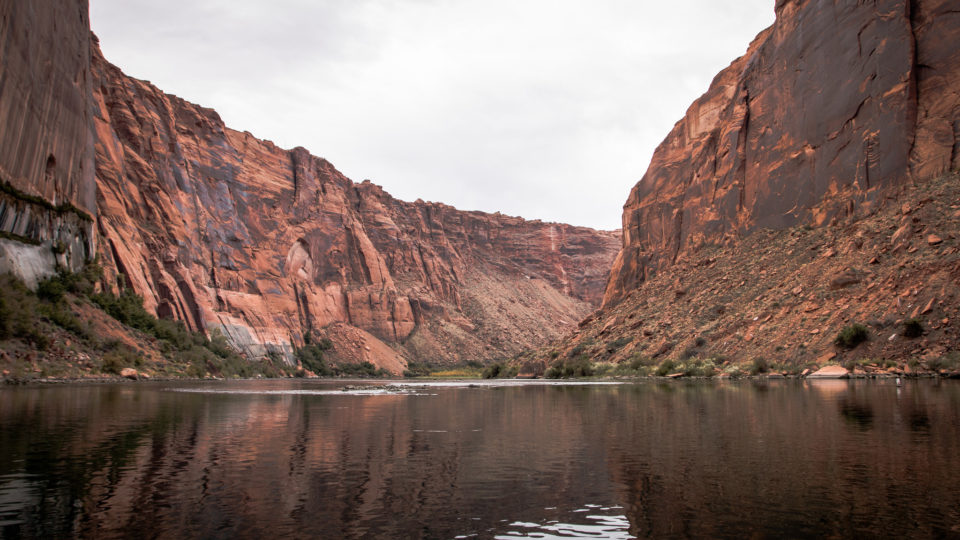
The 1450-mile-long Colorado River begins in the Rocky Mountains and wends its way to the Gulf of California, creating the Grand Canyon along the way, and providing water to some 40 million people.  The amount of Colorado River water promised to users is far more than actually flows between its banks, and that amount is dropping.

An unrelenting drought since 2000 has resulted in the water levels of the two largest reservoirs of Colorado River water – Lake Mead and Lake Powell – being at all-time lows.

Lake Mead, just outside of Las Vegas, is the reservoir of Hoover Dam, which provides power for millions of people in Southern California, Nevada, and Arizona.  The last time Lake Mead was full was in 1983.  It has slowly declined and now is 40% full.

If the lake level drops another 7 feet to 1075 feet above sea level, it will trigger a Tier 1 declaration, mandating cuts to water allocations to Arizona and other states.  If the level drops to 1050 feet, it would reach Tier 2 at which point Hoover Dam would have to stop generating electricity because water levels would be too low to flow through it.  If the lake level drops all the way to 895 feet, it would be below the level at which water can be piped out of it.  This is known as the “dead pool”.

These scenarios are no longer doomsday fantasies.  Water managers in the Southwest see the writing on the wall and are busy making contingency plans and developing ways to use less water from the Colorado River.  The booming city of Phoenix in particular is hard at work finding alternative ways to provide water for its millions of citizens.  On the Colorado, drought in the new normal.

**********

Web Links

On the Water-Starved Colorado River, Drought Is the New Normal

Photo, posted October 24, 2016, courtesy of Sharon Mollerus via Flickr.

Earth Wise is a production of WAMC Northeast Public Radio.

Primary Sidebar

Recent Episodes

  • An uninsurable future
  • Clean energy and jobs
  • Insect declines in remote regions
  • Fossil fuel producing nations ignoring climate goals
  • Trouble for clownfishes

WAMC Northeast Public Radio

WAMC/Northeast Public Radio is a regional public radio network serving parts of seven northeastern states (more...)

Copyright © 2026 ·