• Skip to primary navigation
  • Skip to main content
  • Skip to primary sidebar

Earth Wise

A look at our changing environment.

  • Home
  • About Earth Wise
  • Where to Listen
  • All Articles
  • Show Search
Hide Search
You are here: Home / Archives for geology

geology

Iceland power

March 15, 2024 By EarthWise Leave a Comment

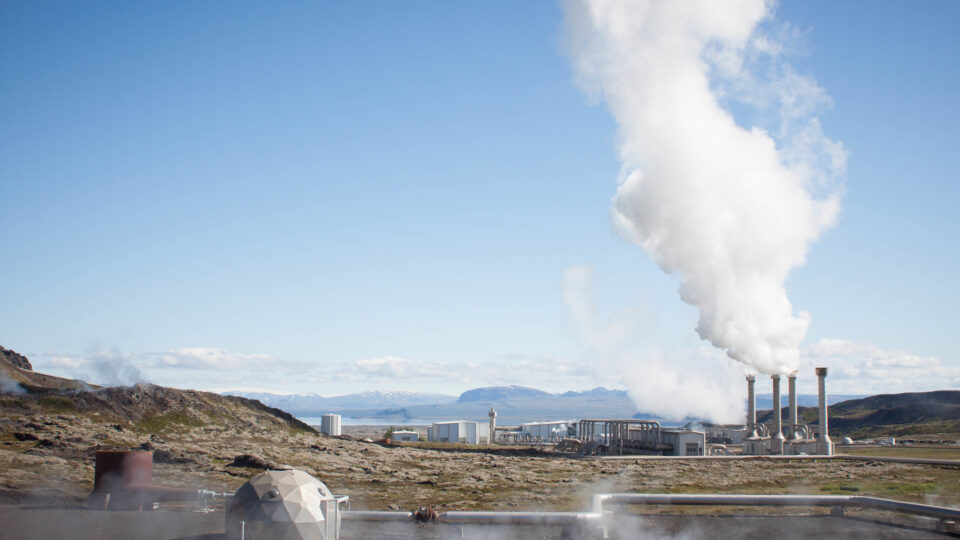
Iceland burns very little fossil fuel to power its economy and heat its homes.  About 85% of its energy comes from geothermal power and hydropower.  Its unique geology provides it with the highest percentage of renewable energy in the world.  The fossil fuel that Iceland does burn is primarily used to power cars and trucks as well as boats in its fishing fleet.  And Iceland is rapidly embracing the use of electric vehicles.

Iceland can make far more electricity than its 373,000 people can use.  The majority of its electricity is essentially exported as bars of aluminum.  Iceland is one of the world’s largest refiners of aluminum.  The aluminum ore comes from other countries but gets shipped to Iceland where electricity is cheap.  Refining aluminum is so energy-intensive that some say that aluminum is basically just pure electricity in solid metal form.

Electricity-rich Iceland is finding other ways to make use of its resources.  There is a proposed project called Icelink, which is an electricity interconnector between Iceland and Great Britain.  The high-voltage direct current link would run between 620 and 750 miles and would be the longest sub-sea power interconnector in the world.  It is controversial in Iceland and it may or may not happen.

Another technology that is establishing an early foothold in Iceland is carbon capture.  An Icelandic company called Carbix is doing leading work on taking captured carbon dioxide and sequestering it underground.  Capturing and storing carbon dioxide is energy-intensive and the promise of cheap, clean geothermal power makes Iceland an attractive place to do it.

**********

Web Links

Iceland Is Living in our Future

Photo, posted July 2, 2012, courtesy of  Emily Qualey / PopTech via Flickr.

Earth Wise is a production of WAMC Northeast Public Radio
The end of a supergiant iceberg

November 16, 2023 By EarthWise Leave a Comment

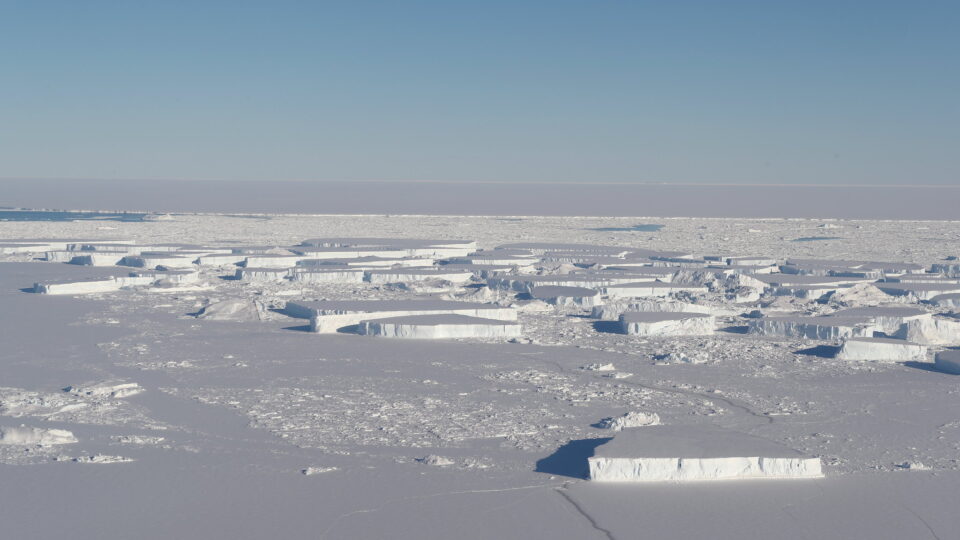
In 2017, a supergiant iceberg known as A-68 calved from the Larsen C ice shelf in Antarctica. In 2020, it drifted close to South Georgia, a British island in the South Atlantic Ocean, and then began to break up.  This iceberg was enormous – nearly the size of Delaware.  When it started to break up, it released huge quantities of fresh, cold meltwater in a relatively small region.

Scientists from the British Antarctic Survey and the University of Sheffield have studied how the melting iceberg has affected the temperature and the salinity of the ocean surface in the area.  They found that the water near the surface was 8 degrees Fahrenheit colder than normal and the water only had about two-thirds of its normal saltiness.

The effects from the melted iceberg eventually extended well beyond South Georgia as the colder, less-salty water was carried by ocean currents to form a long plume that stretched more than 600 miles across the South Atlantic.  It also took several months to disappear.

The calving of this massive iceberg provided a unique opportunity for scientists to study the impact of iceberg melting on surface ocean conditions.  A-68 was one of the largest and most studied of all icebergs.  The study has shown that each individual melting giant iceberg can have widespread and long-lasting impacts on ocean conditions, which has consequences for the plant and animal life that lives there.

Climate change is likely to lead to more giant iceberg calving in the future.  It is important to monitor these events to assess their future impacts on ocean circulation, biology, and even seafloor geology.

**********

Web Links

Supergiant iceberg makes surrounding ocean surface colder and less salty

Photo, posted October 24, 2018, courtesy of Jefferson Beck / NASA via Flickr.

Earth Wise is a production of WAMC Northeast Public Radio
The Sixth Mass Extinction | Earth Wise

February 16, 2022 By EarthWise Leave a Comment

Human activities are driving the planet's sixth mass extinction

Extinction is a natural part of life.  Plants and animals disappear all the time.  When one species goes extinct, its place in the ecosystem is typically filled by another.  The so-called normal rate of extinction is thought to be somewhere between 0.1 and 1 species per 10,000 species per 100 years.

A mass extinction event is when species disappear at a much faster clip than they can be replaced.  By definition, mass extinction is when about three-quarters of the world’s species are lost in a short amount of time on a geologic scale, which is measured in millions of years.  

There have been five previous mass extinction events throughout the history of life on earth.  Today, many experts warn that a sixth mass extinction event is already underway – the first since dinosaurs were wiped out some 65 million years ago.  While previous mass extinctions were the result of extreme natural phenomena like volcanic eruptions and asteroid strikes, this one is a result of human activities. 

Researchers from the University of Hawai’i at Manoa and the National Museum of Natural History in France recently published a comprehensive assessment of evidence of this ongoing extinction event.  The researchers estimated that since the year 1500, Earth could already have lost between 7.5% and 13% of the two million known species on Earth.  This amounts to a staggering 150,000 to 260,000 species.

While mitigating the effects of climate change and reducing the rates of habitat loss would help, raising awareness of this crisis and its fallout for all life forms – including us – would be most effective in driving change. 

The time we have to avoid dramatic consequences is rapidly running out. 

**********

Web Links

Strong evidence shows Sixth Mass Extinction of global biodiversity in progress

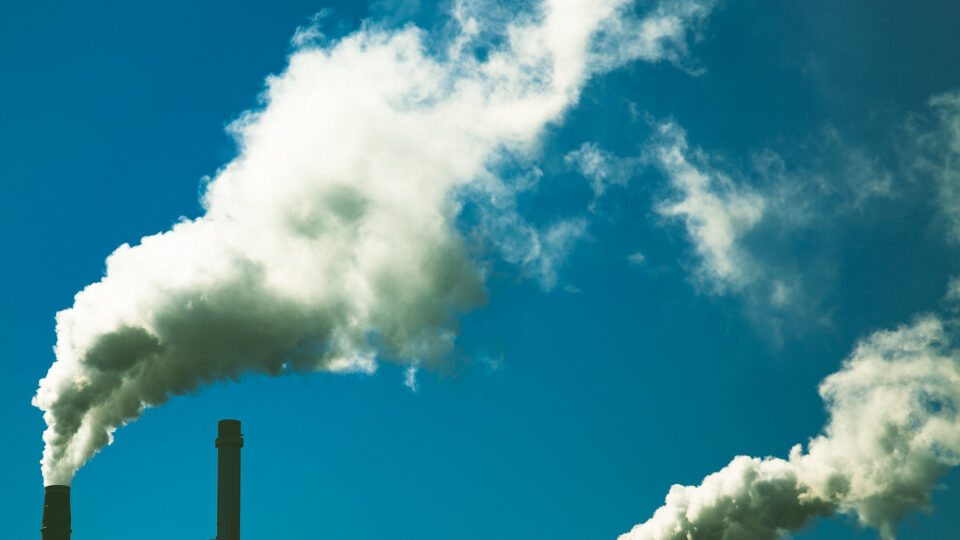
Photo, posted September 18, 2015, courtesy of Tony Webster via Flickr.

Earth Wise is a production of WAMC Northeast Public Radio.

Natural World Heritage Sites

May 5, 2016 By WAMC WEB

https://earthwiseradio.org/wp-content/uploads/2016/04/EW-05-05-16-Natural-World-Heritage-Sites.mp3

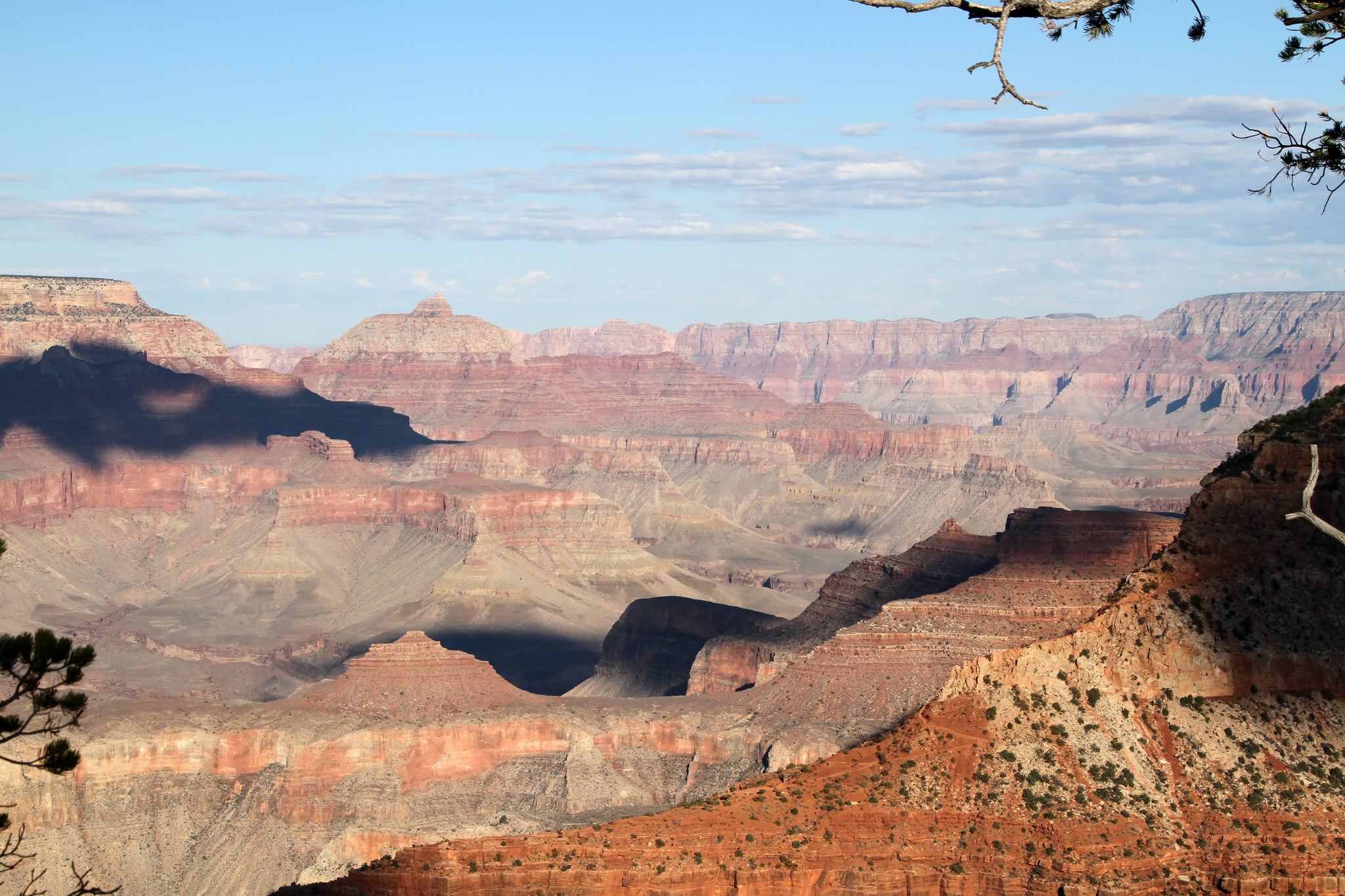
Natural world heritage sites exemplify the world’s greatest areas of natural beauty, ecology, geology, and biodiversity.  They are recognized internationally for their value as places with significance that is “so exceptional as to transcend national boundaries and be of common importance for present and future generations of all humanity.”  Many of these areas also are a vital source of food, fuel, and water for rural communities, and provide a revenue stream for national economies through tourism and recreation.  The livelihoods of some 11 million people are directly dependent on these areas. 

[Read more…] about Natural World Heritage Sites

Primary Sidebar

Recent Episodes

  • An uninsurable future
  • Clean energy and jobs
  • Insect declines in remote regions
  • Fossil fuel producing nations ignoring climate goals
  • Trouble for clownfishes

WAMC Northeast Public Radio

WAMC/Northeast Public Radio is a regional public radio network serving parts of seven northeastern states (more...)

Copyright © 2026 ·