• Skip to primary navigation
  • Skip to main content
  • Skip to primary sidebar

Earth Wise

A look at our changing environment.

  • Home
  • About Earth Wise
  • Where to Listen
  • All Articles
  • Show Search
Hide Search
You are here: Home / Archives for fishermen

fishermen

The most endangered marine mammal

July 9, 2024 By EarthWise Leave a Comment

How to protect the most endangered marine mammal

For the better part of a decade, conservationists have been trying to eliminate the use of gill nets by fishermen in the Gulf of California.  Species such as the corvina fish have been decimated by the use of this fishing gear.  The nets also trap other marine creatures, include the rare and elusive vaquita porpoise.

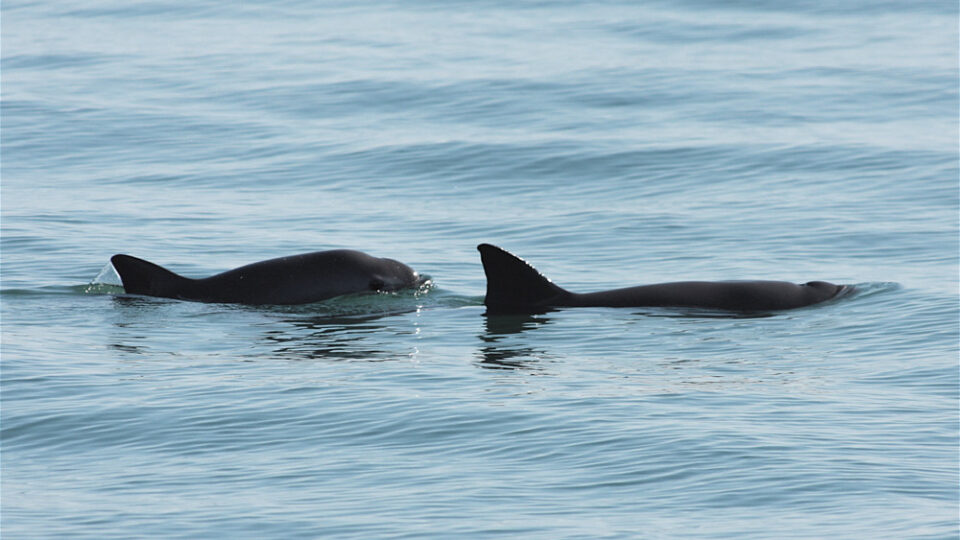
The vaquita is the world’s smallest porpoise, measuring no more than five feet in length.  It is the most endangered marine mammal. They live only in the Gulf of California, which is the site of intense fishing activity. Some of that activity is directed towards a fish called the totoaba, which is an endangered species itself.  The totoaba’s swim bladder is highly prized for Chinese traditional medicine, so there is a booming illegal market for it.  The gill nets used to catch totoaba are especially lethal to vaquitas.

Every year, for a few weeks, an international team of scientists searches the Gulf for vaquitas.  Recent surveys estimated that there are around 10 individuals in the area where they are most likely to be living.  This year’s survey estimated that six to eight vaquitas are in the area.  The ones spotted appeared to be in good health and one yearling was seen.

Officially, fishing with gill nets is banned throughout much of the upper Gulf of California.  In practice, enforcement has been difficult to do.  However, the Mexican government has been making an effort to improve the situation.  The Mexican Navy dropped 193 concrete blocks with giant hooks designed to entangle gill nets to deter fishers and they plan to drop more.

The survival of the vaquita depends on whether the use of gill nets stops.

**********

Web Links

The Most Endangered Marine Mammal Still Exists. Here’s the Latest Count.

Photo, posted July 12, 2011, courtesy of Semarnat via Flickr.

Earth Wise is a production of WAMC Northeast Public Radio
What’s Been Killing Salmon? | Earth Wise

January 5, 2021 By EarthWise Leave a Comment

the mysterious deaths of Coho salmon

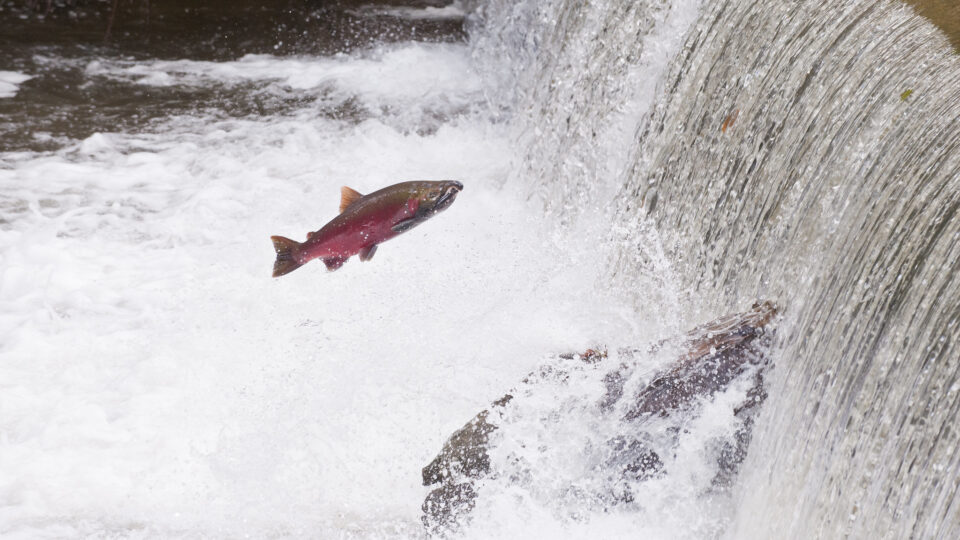
For decades, there have been mysterious deaths of Coho salmon.  The salmon return from the Pacific Ocean each year to spawn along the West Coast.   They can be found from Alaska all the way down into California.  After heavy rain events each fall, fish have been turning up dead in huge numbers before they spawn.  Normally, less than 1% of adult Coho die before spawning. In these mass death events, anywhere from 40% to 90% of fish can perish in affected streams.  The mysterious phenomenon has been the subject of intense research for years.

Recently, scientists announced that they may have solved the mystery.  There is a chemical antioxidant known as 6PPD that is used in the manufacture of tires around the world to make them last longer.  As tire treads break down over time, they leave behind bits of microplastics on roads.  The 6PPD in the plastic bits reacts with ozone to become another chemical:  a previously unreported substance called 6PPD-quinone.

That chemical turns out to be toxic to Coho salmon.  Researchers have found the presence of 6PPD-quinone in roadway water runoff samples taken from across the West Coast.  Based on these observations, they believe it is likely that exposure to this chemical is the main cause of the Coho salmon population decline.

Coho salmon are a favorite of sport fishermen and have great cultural significance to many Native American tribes on the West Coast.  The central California Coho population is classified as endangered and three other Coho populations are listed as threatened.

Tire industry representatives call the study results “preliminary” but say the industry is deeply committed to protecting the environment.  A safe chemical substitute for 6PPD is clearly needed.

**********

Web Links

Salmon have been dying mysteriously on the West Coast for years. Scientists think a chemical in tires may be responsible

Photo, posted November 17, 2011, courtesy of Lynn Ketchum/Oregon State University via Flickr.

Earth Wise is a production of WAMC Northeast Public Radio.

Making Roads From Ocean Plastic

June 7, 2019 By EarthWise Leave a Comment

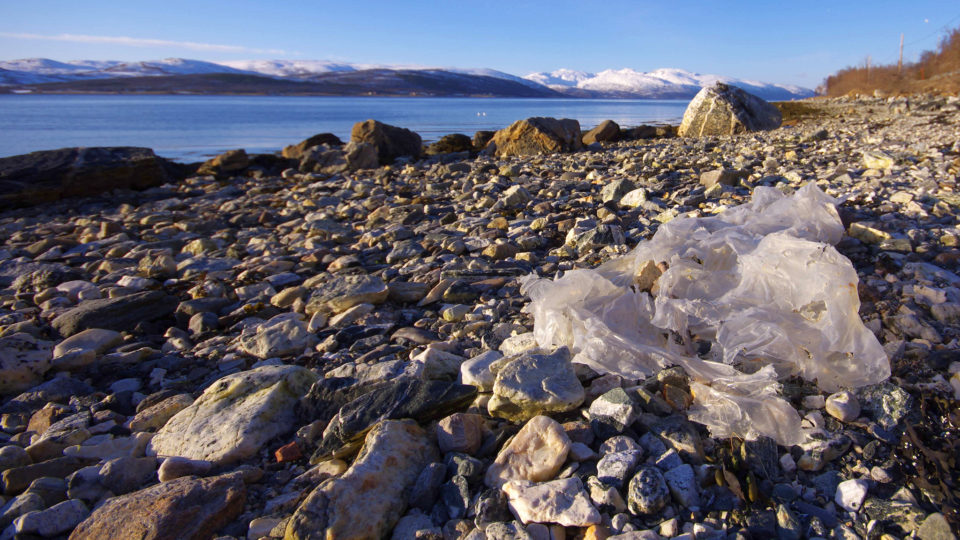
Like many other places around the world, India has a big problem with plastic waste.  Its 1.3 billion people each use an average of 24 pounds of plastic per year and much of it ends up in the Arabian Sea and Indian Ocean.

Fishermen in India’s southern state of Kerala have taken on the battle against plastic waste in the ocean by launching a campaign called Suchitwa Sagaram, or Clean Sea, in which they are collecting the plastic and bringing it back to shore.

In the first 10 months of the program, fisherman have removed 25 tons of plastic from the Arabian Sea.  Once the plastic waste reaches shore, it is fed into a plastic shredding machine.  As is the case for many of India’s plastic recycling schemes, the shredded plastic from the sea is converted into material that is used for road surfacing.

There are more than 20,000 miles of plastic roads in India, mostly in rural areas.  In fact, more than half the roads in the southern state of Tamil Nadu are plastic.  Such roads have become popular because they are more resilient to India’s searing heat.  The melting point of plastic roads is around 150 degrees Fahrenheit as compared to 122 degrees for conventional roads.

Roads made from recycled plastic are also cheaper than ones using conventional plastic additives.  A mile of plastic road uses the equivalent of a million and a half plastic bags and saves about a ton and a half of asphalt.  Overall, plastic roads are about 8% cheaper than conventional roads and create jobs for people in the fishing communities.

India’s plastic roads are a promising way to fight the problem of ocean plastic pollution.

**********

Web Links

These Indian fishermen take plastic out of the sea and use it to build roads

Photo, posted April 25, 2016, courtesy of Bo Eide via Flickr.

Earth Wise is a production of WAMC Northeast Public Radio.

Primary Sidebar

Recent Episodes

  • An uninsurable future
  • Clean energy and jobs
  • Insect declines in remote regions
  • Fossil fuel producing nations ignoring climate goals
  • Trouble for clownfishes

WAMC Northeast Public Radio

WAMC/Northeast Public Radio is a regional public radio network serving parts of seven northeastern states (more...)

Copyright © 2026 ·