• Skip to primary navigation
  • Skip to main content
  • Skip to primary sidebar

Earth Wise

A look at our changing environment.

  • Home
  • About Earth Wise
  • Where to Listen
  • All Articles
  • Show Search
Hide Search
You are here: Home / Archives for fertility

fertility

Saving Our Soil | Earth Wise

July 14, 2023 By EarthWise Leave a Comment

Saving our soil is critical for our food security and climate change mitigation

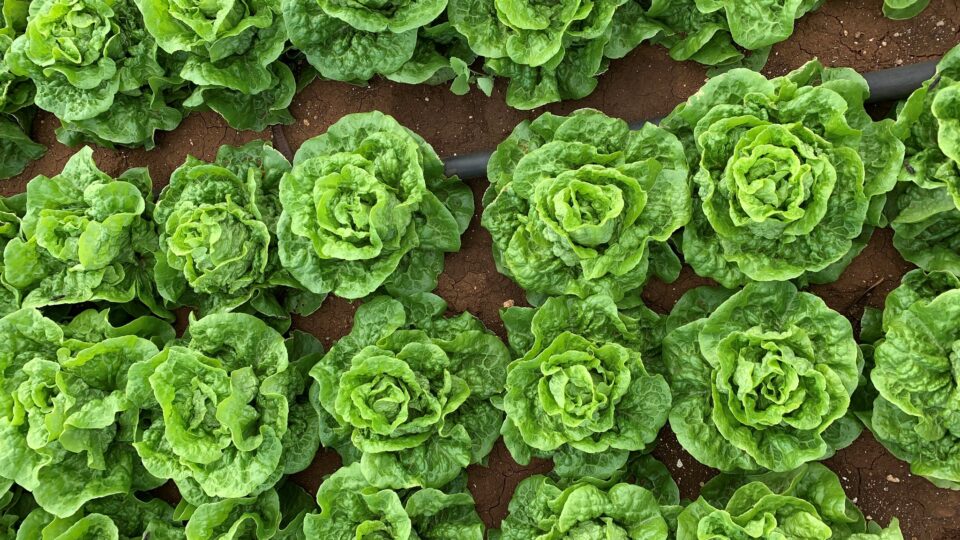
The majority of food we eat is grown in topsoil, that carbon-rich, black soil that nurtures everything from carrots to watermelons.  The fertility of this soil has developed over eons.    

But over the past 160 years, the Midwestern United States has lost 63.4 billion tons of topsoil due to farming practices.  In fact, Midwestern topsoil is eroding between 10 and 1,000 times faster than it did in the pre-agricultural era.  The rate of erosion is 25 times greater than the rate at which topsoil forms.

According to new research from the University of Massachusetts-Amherst, this rapid and unsustainable rate of topsoil erosion can be drastically reduced by utilizing an agricultural method already in practice: No-till farming.  This method, which is currently practiced on 40% of cropland acres in the Midwest, can extend our current level of soil fertility for the next several centuries.   

In the study, which was recently published in the journal Earth’s Future, the research team looked at the current business-as-usual method, under which approximately 40% of the midwestern U.S.’s acres are no-till farmed, all the way up to 100% adoption of no-till methods. 

If the U.S.’s current agricultural practices remain largely unchanged, approximately 9.6 billion tons of topsoil will be lost over the next century alone.  However, approximately 95% of the erosion in the business-as-usual scenario could be prevented by adopting 100% no-till farming practices. 

Saving our soil by improving our farming methods has implications for everything from food security to climate change mitigation. 

**********

Web Links

Saving Our Soil: How to Extend U.S. Breadbasket Fertility for Centuries

Photo, posted January 19, 2022, courtesy of Terri Dux via Flickr.

Earth Wise is a production of WAMC Northeast Public Radio
Reducing Agriculture’s Carbon Footprint | Earth Wise

September 29, 2021 By EarthWise Leave a Comment

Sustainable solutions for animal grazing agriculture

Agriculture is responsible for about 10% of greenhouse gas emissions.  Those emissions come from livestock such as cows, the disturbance of agricultural soils, and activities like rice production.

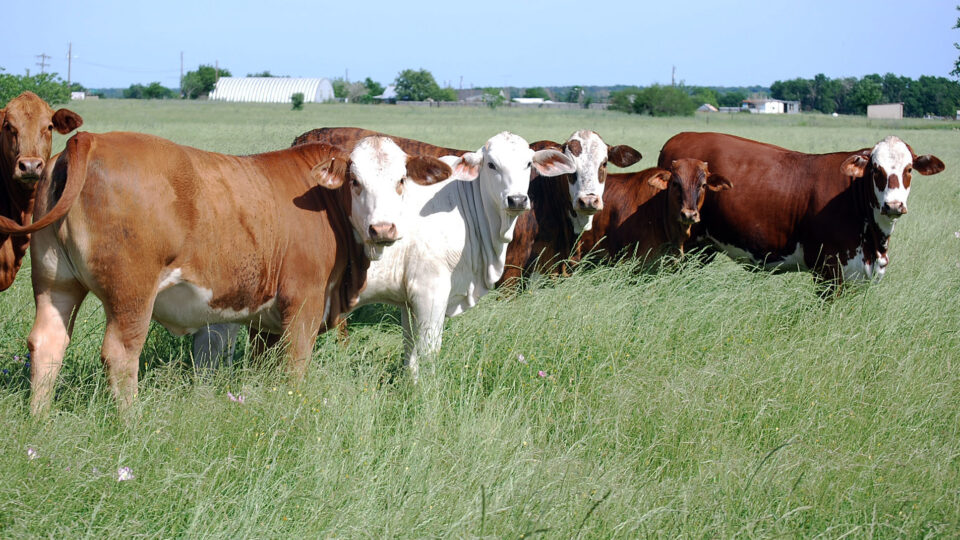
Recent research from Texas A&M University presents sustainable solutions for grazing agriculture.  According to the research, published in the Journal of Soil and Water Conservation, ruminant animals like cattle contribute to the maintenance of healthy soils and grasslands, and proper grazing management can reduce the industry’s carbon emissions and overall footprint.

Grassland ecosystems co-evolved with herbivores over thousands of years.  These complex, dynamic ecosystems include grasses, soil biota, grazing animals, and predators.  The ecosystems degrade in the absence of periodic grazing.

The research contends that ruminant livestock are an important tool for achieving sustainable agriculture with appropriate grazing management.  With such management, grazing cattle on permanent perennial grasslands helps develop soil biology to improve soil carbon, rainfall infiltration, and soil fertility.

Permanent cover of forage plants is highly effective in reducing soil erosion and increasing soil infiltration.  Ruminants consuming grazed forages under appropriate management results in considerably more carbon sequestration than carbon emissions.

This overall approach is known as regenerative agriculture and is built around the ideas of practices that restore soil health and ecosystem function to support healthy agroecosystems. 

These ideas constitute alternatives to ones that call for the reduction or elimination of cattle and livestock agricultural production.  The future of agriculture needs to consider the full impacts of the entire food production chain and its environmental impacts.

**********

Web Links

Grazing Cattle Can Reduce Agriculture’s Carbon Footprint

Photo, posted April 27, 2010, courtesy of Beverly Moseley/USDA NRCS Texas via Flickr.

Earth Wise is a production of WAMC Northeast Public Radio.

Primary Sidebar

Recent Episodes

  • An uninsurable future
  • Clean energy and jobs
  • Insect declines in remote regions
  • Fossil fuel producing nations ignoring climate goals
  • Trouble for clownfishes

WAMC Northeast Public Radio

WAMC/Northeast Public Radio is a regional public radio network serving parts of seven northeastern states (more...)

Copyright © 2026 ·