• Skip to primary navigation
  • Skip to main content
  • Skip to primary sidebar

Earth Wise

A look at our changing environment.

  • Home
  • About Earth Wise
  • Where to Listen
  • All Articles
  • Show Search
Hide Search
You are here: Home / Archives for famine

famine

Climate change and the global food supply

January 8, 2025 By EarthWise Leave a Comment

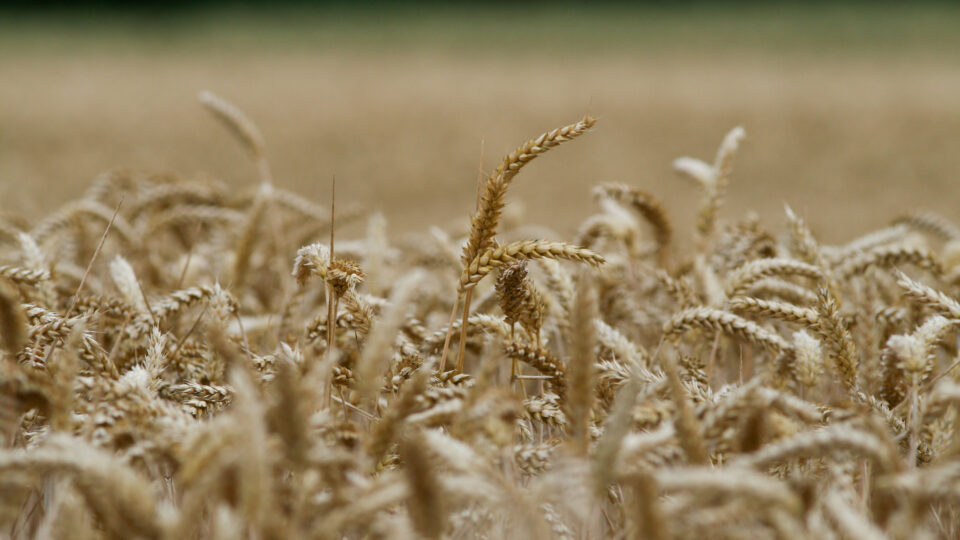
One of the most troubling aspects of global climate change is its potential to severely disrupt the production, distribution, and quality of food. While food security is already challenged by many factors, including population growth, poverty, and changing eating habits, climate change intensifies these issues by altering weather patterns, causing more frequent droughts, floods, and extreme temperatures that damage crops and reduce yields. 

These shifts not only threaten agricultural productivity and increase food prices, but they also impact water resources, pests, and disease dynamics, further destabilizing food systems and exacerbating vulnerabilities, particularly in regions already facing food insecurity.

According to a new paper, which was co-authored by 21 scientists from 9 different countries, climate change will cause widespread food shortages, leading to famine, mass migration, and global instability, unless swift action is taken to develop climate-resilient crops.

Adding to the urgency is the fact that agriculture itself also contributes approximately 30% of global greenhouse gas emissions, creating a vicious feedback loop that threatens to further accelerate global climate change.

The research, which was recently published in the journal Trends in Plant Science, outlines five key recommendations to address this crisis: Study plants in real-world conditions, strengthen partnerships with farmers, streamline regulations for faster innovation, build public trust in new technologies, and create global research initiatives that unite scientists from developed and developing nations to share resources and expertise.

**********

Web Links

Climate Change Threatens Global Food Supply: Scientists Call for Urgent Action

Photo, posted September 21, 2014, courtesy of Peter via Flickr.

Earth Wise is a production of WAMC Northeast Public Radio
Wildfire Smoke And Global Weather | Earth Wise

June 1, 2023 By EarthWise Leave a Comment

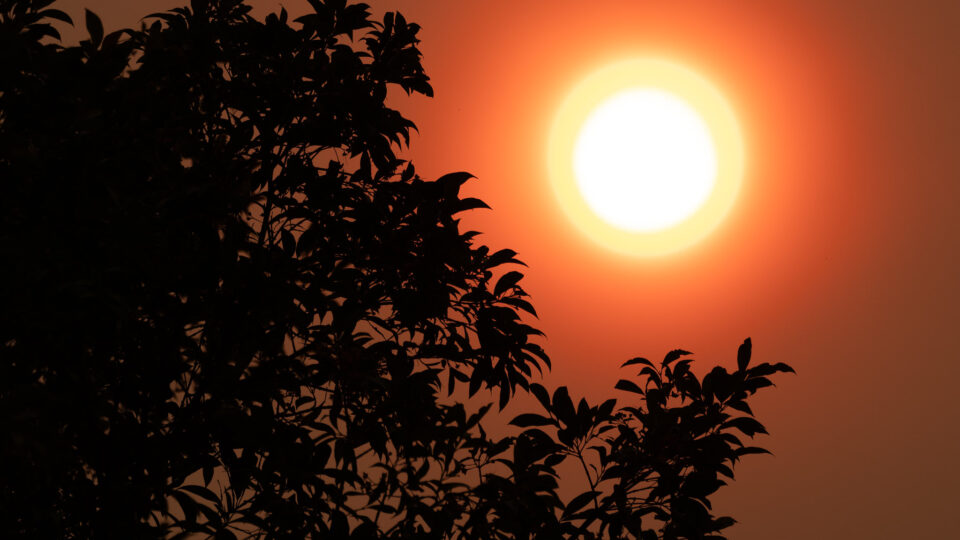
In 2019 and 2020, wildfires burned 72,000 square miles in Australia, roughly the same area as the entire country of Syria. During the nine months when the fires raged, persistent and widespread plumes of smoke filled the atmosphere.

These aerosols brightened a vast area of clouds above the subtropical Pacific Ocean.  Beneath these clouds, the surface of the ocean and the atmosphere cooled.  The effect of this was an unexpected and long-lasting cool phase of the Pacific’s La Niña-El Niño cycle.

A new modeling study by the National Center for Atmospheric Research in Boulder, Colorado quantified the extent to which aerosols from the Australian wildfires made clouds over the tropical Pacific reflect more sunlight back towards space.  The resultant cooling shifted the cloud and rain belt known as the Intertropical Convergence Zone northward.  These effects may have helped trigger the unusual three-year-long La Niña, which lasted from late 2019 through 2022.

The impacts of that La Niña included intensifying drought and famine in Eastern Africa and priming the Atlantic Ocean for hurricanes.  2020 was the most active tropical storm season on record, with 31 storm systems, including 11 that made landfall in the U.S.

The study highlights widespread multi-year climate impacts caused by an unprecedented wildfire season.  The wildfires set off a chain of events that influenced weather far from where the fires occurred.  In the future, climate experts will need to include the potential effects of wildfires in their forecasts.

**********

Web Links

How Wildfire Smoke from Australia Affected Climate Events Around the World

Photo, posted December 19, 2019, courtesy of Simon Rumi via Flickr.

Earth Wise is a production of WAMC Northeast Public Radio
Insects On The Menu | Earth Wise

March 6, 2023 By EarthWise Leave a Comment

According to the World Food Programme, a record 349 million people across 79 countries are facing acute food insecurity.  This constitutes a staggering rise of 200 million people compared to pre-pandemic levels.  Nearly one million people globally are fighting to survive in famine-like conditions, which is ten times more people than just five years ago.  

As a result, many experts contend that alternative or so-called novel food sources – such as lab-grown meats, seaweed aquaculture, and insects – will be necessary to help fight global hunger and global food insecurity. 

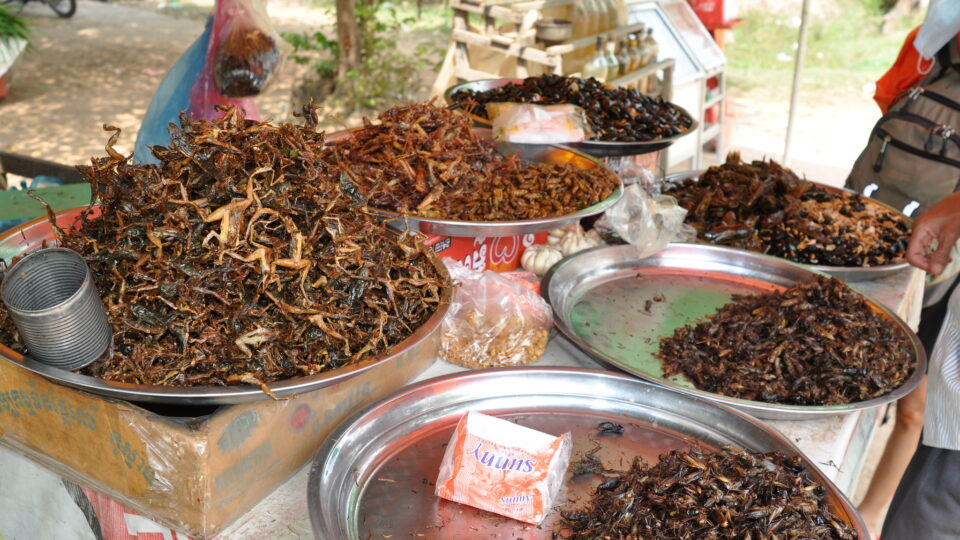
Insects already form a significant part of diets in many cultures around the world.  Insects are great sources of nutrients, including protein, vitamins, and minerals.  But insects have yet to be embraced in any substantial way in western cultures… but that may be changing. 

In fact, the European Union has now certified four types of bugs as food fit for human consumption.  The larvae of lesser mealworms and house crickets recently became the third and fourth insects approved for sale as food in the EU, joining yellow mealworms and grasshoppers. Eight more applications are awaiting approval.

Insects are already a delicacy in many high-end restaurants around the world, and a normal and healthy part of diets in countries like Mexico and Thailand.  Embracing insects as a food of the future will not only help in the fight against global hunger, but will also help to reduce greenhouse gas emissions and to slow species extinction. 

In Western food markets, the so-called “yuck factor” remains the biggest hurdle to cross.  But as the world population grows, the need for sustainable solutions in the food industry grows with it. 

**********

Web Links

Insects on the menu as EU approves two for human consumption

World Hunger Surged in 2020, U.N. Says

A global food crisis

Photo, posted April, 2014, courtesy of Shankar S. via Flickr.

Earth Wise is a production of WAMC Northeast Public Radio
Feast Before The Famine

December 7, 2015 By WAMC WEB

https://earthwiseradio.org/wp-content/uploads/2015/12/EW-12-07-15-Feast-Before-Famine.mp3

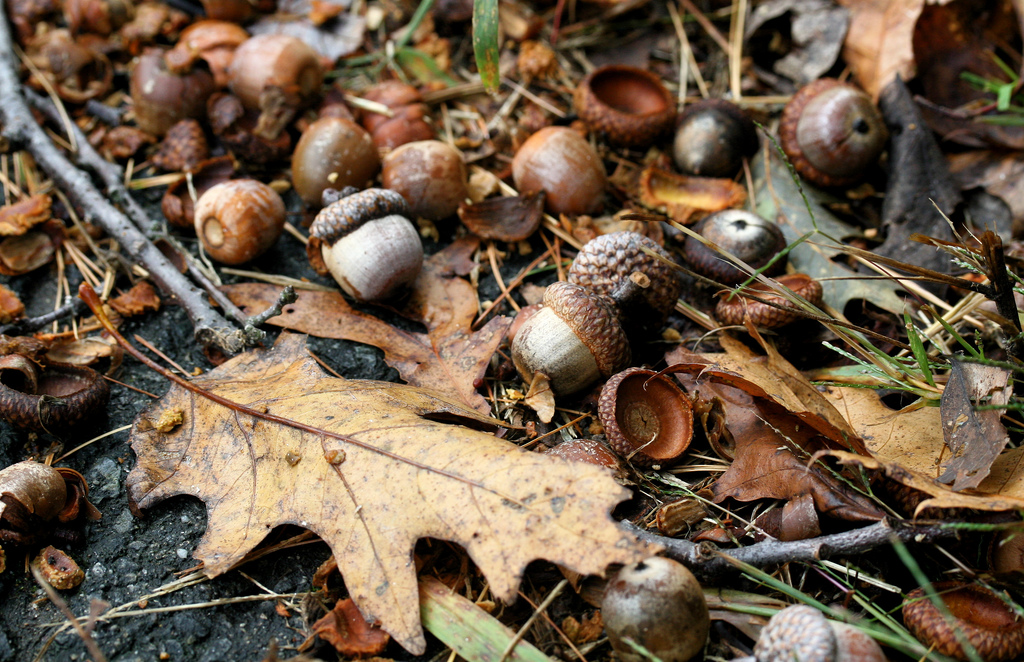
New York’s Hudson Valley is experiencing a “mast year.” Mast refers to the seeds of woody plants that are eaten by wildlife. “Soft mast” has seeds surrounded by fleshy pulp, and includes berries and fruits. “Hard mast” has seeds protected by an outer coat, such as acorns and hickory nuts.

[Read more…] about Feast Before The Famine

Primary Sidebar

Recent Episodes

  • An uninsurable future
  • Clean energy and jobs
  • Insect declines in remote regions
  • Fossil fuel producing nations ignoring climate goals
  • Trouble for clownfishes

WAMC Northeast Public Radio

WAMC/Northeast Public Radio is a regional public radio network serving parts of seven northeastern states (more...)

Copyright © 2026 ·