• Skip to primary navigation
  • Skip to main content
  • Skip to primary sidebar

Earth Wise

A look at our changing environment.

  • Home
  • About Earth Wise
  • Where to Listen
  • All Articles
  • Show Search
Hide Search
You are here: Home / Archives for eruptions

eruptions

The warmest year on record

February 14, 2025 By EarthWise Leave a Comment

2024 was the warmest year on record

It came as no surprise that 2024 ended up as the warmest year on records. It was the hottest year since record keeping began in 1880.  The global average temperature was 1.28 degrees Celsius (or 2.3 degrees Fahrenheit) above the 20th-century baseline period of 1951-1980.  It was actually 1.47 degrees above the 1850-1900 average.

The Paris Climate Agreement has a goal to keep the global average temperature increase below 1.5 degrees Celsius over the long term.  Long term is specified because for more than half of 2024, average temperatures were more than 1.5 degrees above the baseline.

The temperature of an individual year can be influenced by various natural climate fluctuations, such as the presence of an El Niño or a La Niña condition in the Pacific, or volcanic eruptions.  A strong El Niño began in 2023 and continued throughout much of 2024.  That El Niño has abated, so it is no longer a factor in the global climate condition.

The global temperature is determined using surface air temperature data collected from thousands of meteorological stations as well as sea surface temperature data collected by ships and buoy-based instruments. 

When the climate changes, it is observed first in the global mean temperature.  Then there are changes seen on a continental scale and then at the regional scale.  Finally, changes are observable at the local level.  These changes are becoming more and more common as people’s everyday weather experiences become different from any they had encountered before.

**********

Web Links

2024 Was the Warmest Year on Record

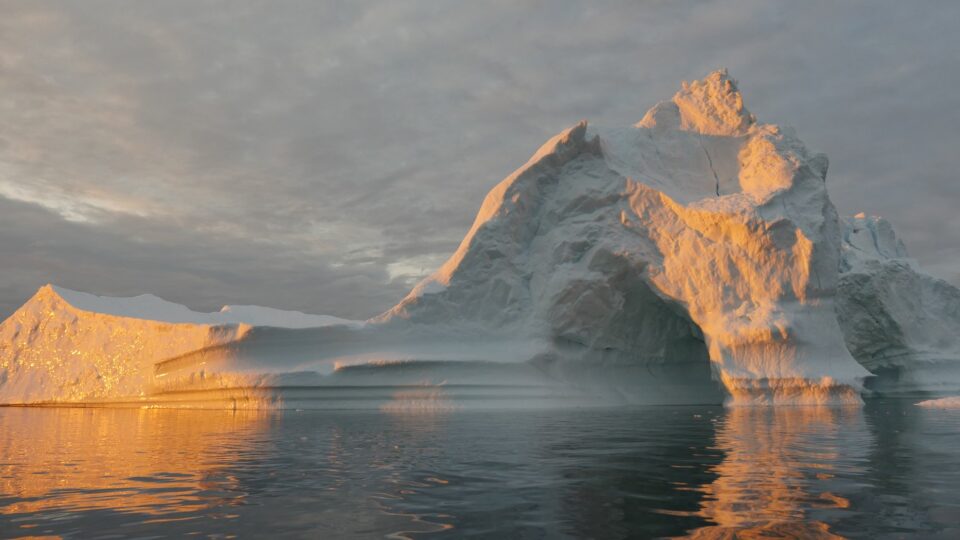
Photo, posted August 26, 2015, courtesy of Saskia Madlener / NASA via Flickr.

Earth Wise is a production of WAMC Northeast Public Radio
Fire-Driven Thunderstorms

March 6, 2019 By EarthWise Leave a Comment

In 2016 and 2017, wildfires in western Canada spawned thunderstorms that ignited additional fires, in some cases tens of miles away from the original fire.  These fire-triggered thunderstorms are technically known as pyrocumulonimbus clouds, or “pyroCb’s”.

The physics of pyroCb’s is complex.  When super-heated updrafts from an intense fire suck smoke, ash, burning materials, and water vapor high into the air, these elements cool and form so-called fire clouds that look and act like the cumulonimbus clouds associated with classic thunderstorms.  What is different is that the heat and particulates in the smoke almost always arrest the ability of the cloud to produce rain.  Instead, what remains is a lightning storm that moves across the landscape, triggering more fires.

These PyroCb events appear to be happening far more often, producing more energy, and erupting in places where they have never been seen before.  As the world warms, wildfires themselves are becoming larger and hotter.  In the past decade, wildfires have been burning more than twice as many acres as they did before the turn of the 21st century.  Along with the growth in wildfire activity, there has been an increase in PyroCb events, and there are now an average of 25 per year in western North America.

Apart from starting new fires, pyroCb’s also have similar effects as moderate-sized volcanic eruptions.  Smoke and aerosols from wildfires can rise high into the stratosphere, where they can linger for months.  Eventually, the particles carried aloft in the atmosphere do come down, dumping dangerous chemicals on far flung regions of the earth.  But unlike volcanic eruptions, which are relatively rare events, pyroCb’s are happening more and more each year.

**********

Web Links

Fire-Induced Storms: A New Danger from the Rise in Wildfires

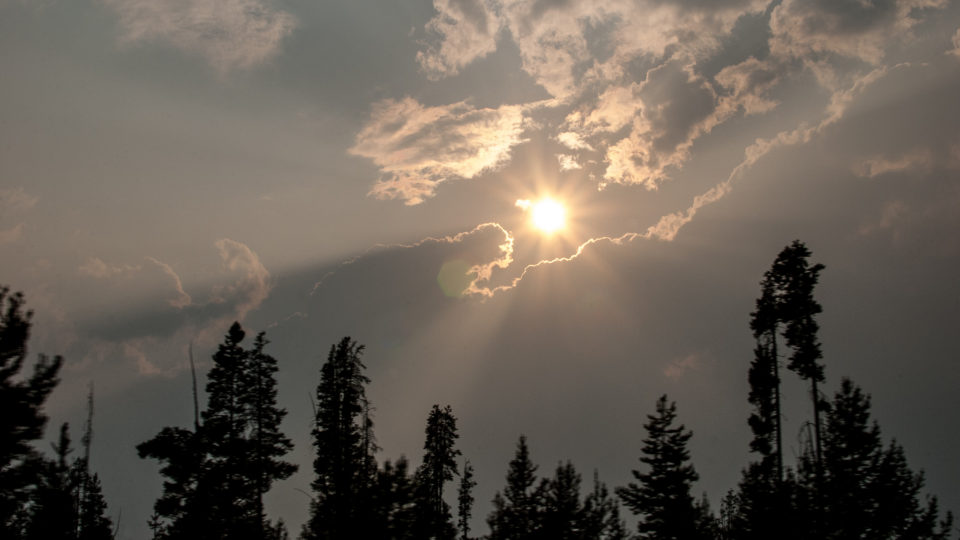
Photo, posted July 31, 2013, courtesy of Loren Kerns via Flickr.

Earth Wise is a production of WAMC Northeast Public Radio.

Primary Sidebar

Recent Episodes

  • An uninsurable future
  • Clean energy and jobs
  • Insect declines in remote regions
  • Fossil fuel producing nations ignoring climate goals
  • Trouble for clownfishes

WAMC Northeast Public Radio

WAMC/Northeast Public Radio is a regional public radio network serving parts of seven northeastern states (more...)

Copyright © 2026 ·