• Skip to primary navigation
  • Skip to main content
  • Skip to primary sidebar

Earth Wise

A look at our changing environment.

  • Home
  • About Earth Wise
  • Where to Listen
  • All Articles
  • Show Search
Hide Search
You are here: Home / Archives for environmental changes

environmental changes

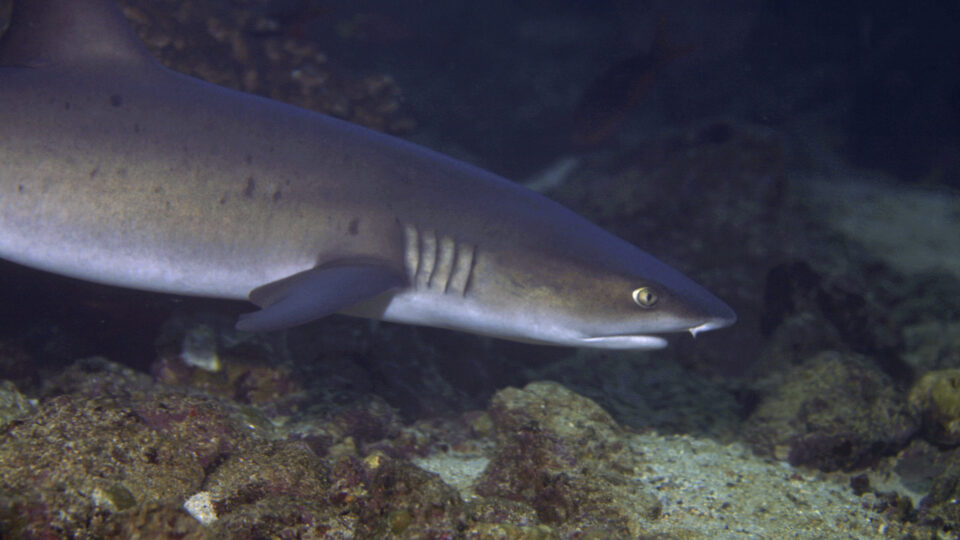
Sharks and rays in a warming world

March 5, 2025 By EarthWise Leave a Comment

Could sharks and rays thrive in a warming world?

Sharks and rays belong to a group of cartilaginous fish called elasmobranchs, which have been swimming in the world’s oceans for 450 million years. The resilient species have survived five mass extinction events, and are older than dinosaurs, trees, and Mount Everest. 

But despite their resilience, many species of sharks and rays today are threatened by human activities, including overfishing, habitat loss, and climate change.  In fact, according to a new study led by researchers from the University of Vienna in Austria, more than one third of the shark and ray species known today are severely under threat. 

The study, which was recently published in the journal Biology, found that higher carbon dioxide levels were having a negative effect on sharks and rays, ranging from impacts on the animals’ senses to changes in the skeleton during embryonic development.  An examination of fossil records found that higher CO2 levels had contributed to the extinction of individual shark and ray species in the past. 

But the study also found that global warming could be creating opportunities for sharks and rays.  Rising sea levels and higher temperatures have historically expanded shallow coastal habitats and warm waters, supporting species biodiversity.

But according to the research team, the rapid environmental changes, combined with the impacts from human activities, outpace the ability of sharks and rays to adapt, making it unlikely that they will benefit from global warming.

Protecting sharks and rays is crucial not only for their survival but also for maintaining entire ocean ecosystems. Without top predators, these ecosystems could collapse, impacting both marine life and the people and industries that depend on it.

**********

Web Links

Sharks and rays benefit from global warming – but not from CO2 in the Oceans

Myths About Sharks and Rays

Photo, posted November 27, 2007, courtesy of Laszlo Ilyes via Flickr.

Earth Wise is a production of WAMC Northeast Public Radio
Declining pollinator populations

June 28, 2024 By EarthWise Leave a Comment

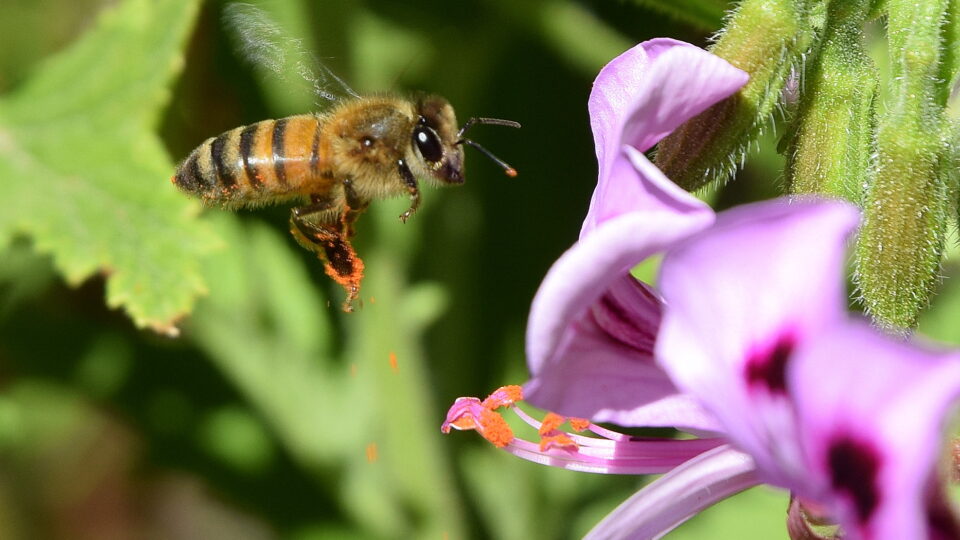
Declining pollinator populations in North America

Scientists have been sounding the alarm on the global struggle of pollinators for decades.  Many recent studies have highlighted alarming declines in pollinator populations, sparking concern about the potential negative impacts on ecosystems and agriculture.  Habitat loss, invasive species, and climate change are some of the factors linked to the population declines. But most pollinator research has focused on well-studied species in easily-accessible regions.

In a new study recently published in the journal PLOS One, a research team led by Northern Arizona University compiled data on four major families of bees and butterflies to create species distribution models, allowing them to assess changes over time and space across North America.

The researchers confirmed that bee and butterfly populations are declining in major regions of North America due to ongoing environmental changes, and found that significant gaps in pollinator research limit the ability to protect these species. 

The highest species richness was found along North America’s West Coast –  especially in California. But the models showed a decline in species richness over the past century in western North America.  In contrast, the research team found disproportionate increases in eastern North America.

Comparisons with climate data indicate that the pollinator population changes are at least partly due to the impacts of climate change, including prolonged drought and habitat degradation. 

The study identifies regions of declining populations where officials can prioritize conservation efforts, and highlights how improved monitoring methods could address the knowledge gaps on pollinator populations.

**********

Web Links

Bee and butterfly records indicate diversity losses in western and southern North America, but extensive knowledge gaps remain

Bees and butterflies on the decline in western and southern North America

Photo, posted April 3, 2017, courtesy of Tracie Hall via Flickr.

Earth Wise is a production of WAMC Northeast Public Radio

Primary Sidebar

Recent Episodes

  • An uninsurable future
  • Clean energy and jobs
  • Insect declines in remote regions
  • Fossil fuel producing nations ignoring climate goals
  • Trouble for clownfishes

WAMC Northeast Public Radio

WAMC/Northeast Public Radio is a regional public radio network serving parts of seven northeastern states (more...)

Copyright © 2026 ·