• Skip to primary navigation
  • Skip to main content
  • Skip to primary sidebar

Earth Wise

A look at our changing environment.

  • Home
  • About Earth Wise
  • Where to Listen
  • All Articles
  • Show Search
Hide Search
You are here: Home / Archives for discarded

discarded

Carbon Storage In Harvested Wood | Earth Wise

September 26, 2022 By EarthWise Leave a Comment

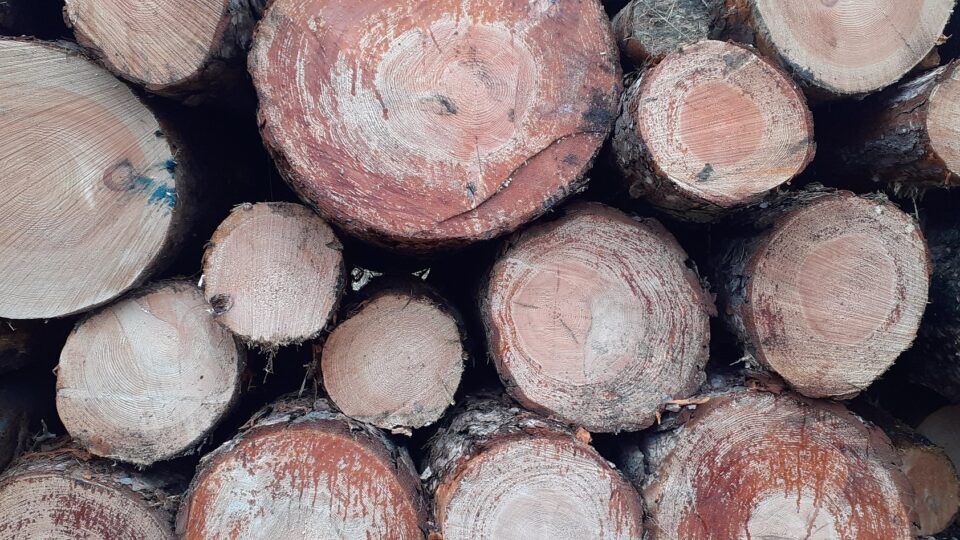
Carbon storage in harvested wood

Trees are an exceedingly important carbon sink on our planet.  For this reason, deforestation is a major contributor to climate change.  But when trees are harvested for wood products like lumber, much of the carbon in that wood continues to be stored.  Even when a wood product is discarded at the end of its useful life, it can keep storing carbon.

Over 90% of new single-family homes in the U.S. are built with wood.  Each year, about 400,000 homes, apartment buildings, and other housing units are lost to floods and other natural disasters.  Others fall apart from decay or are torn down to be replaced with newer structures.  Given how much carbon is stored in houses, it is important to understand what the future trajectory of residential structures will be.

A new study by the USDA Forest Service published in the journal PLOS ONE looks at the future of harvested wood products in residential structures.  According to the study, wood products in these structures will continue to increase the country’s carbon storage for the next 50 years. 

Even after residential structures reach the end of their useful life and much of the materials end up in landfills (which is typical in this country), the wood products do not immediately release their carbon.  It may take decades for that to happen.

The study looked at various scenarios for future home construction.  Although housing starts are projected to decline in the future, residential housing and the need to maintain existing structures are projected to continue to increase carbon storage in wood products for the next several decades.

The role of trees as a carbon sink does not end when they are harvested for their wood.

**********

Web Links

Carbon Storage in Harvested Wood Products

Photo, posted January 27, 2022, courtesy of Luke McKernan via Flickr.

Earth Wise is a production of WAMC Northeast Public Radio
Disposable Masks And The Environment | Earth Wise

August 12, 2021 By EarthWise Leave a Comment

Disposable masks have a huge financial and environmental cost

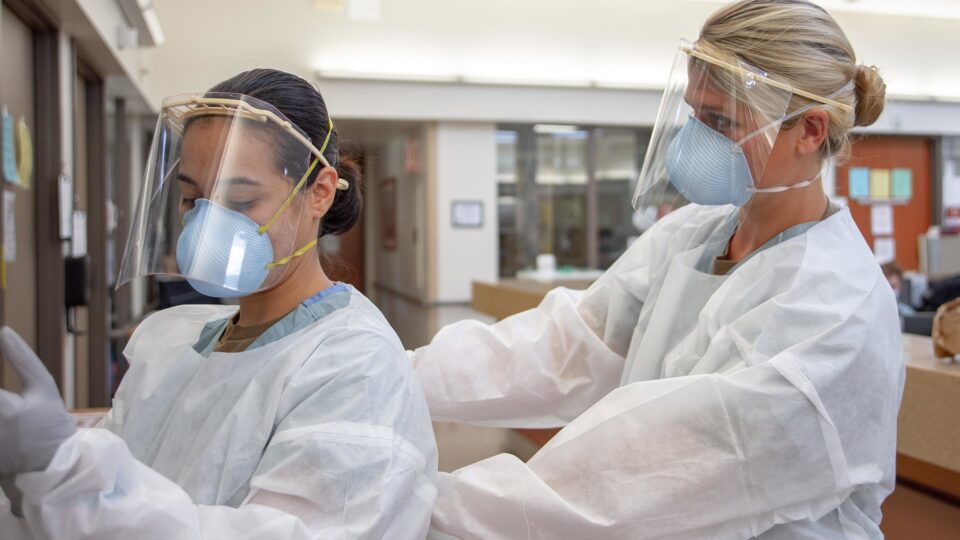
The Covid-19 pandemic has made face masks and other personal protective equipment essential for healthcare workers.  Disposable N95 masks became the key requirement to help prevent the spread of the coronavirus.  But the wide use of these masks has both financial and environmental costs.

The pandemic is estimated to generate over 7,000 tons of medical waste each day and much of that is in the form of disposable masks.  Even though the pandemic has slowed down in many places, health care workers are continuing to wear masks most of the time.

A new study at MIT has looked at the financial and environmental cost of several different mask usage scenarios with an eye on trying to reduce the toll created by the continued need for using them.

If every health care worker in the US used a new N95 mask for each patient they encountered during the first six months of the pandemic, the total number of masks required would be over 7 billion, at a cost of over $6 billion and would generate 92,000 tons of waste (the equivalent of 252 Boeing 747 jets.)

Decontaminating regular N95 masks so that health care workers can wear them for more than one day could drop costs and environmental waste by at least 75% compared with using a new mask for every patient encounter. 

Fully reusable N95 masks could offer an even greater reduction in waste, but such masks are not yet commercially available.  MIT researchers are developing a reusable N95 mask made of silicone rubber that contains an N95 filter than can either be discarded or sterilized after use.  They have started a new company with the goal of commercializing the masks.

**********

Web Links

The environmental toll of disposable masks

Photo, posted August 4, 2020, courtesy of the U.S. Navy / Mass Communication Specialist 3rd Class Jake Greenberg via Flickr.

Earth Wise is a production of WAMC Northeast Public Radio.

Turning Trash Into Treasure

December 12, 2019 By EarthWise Leave a Comment

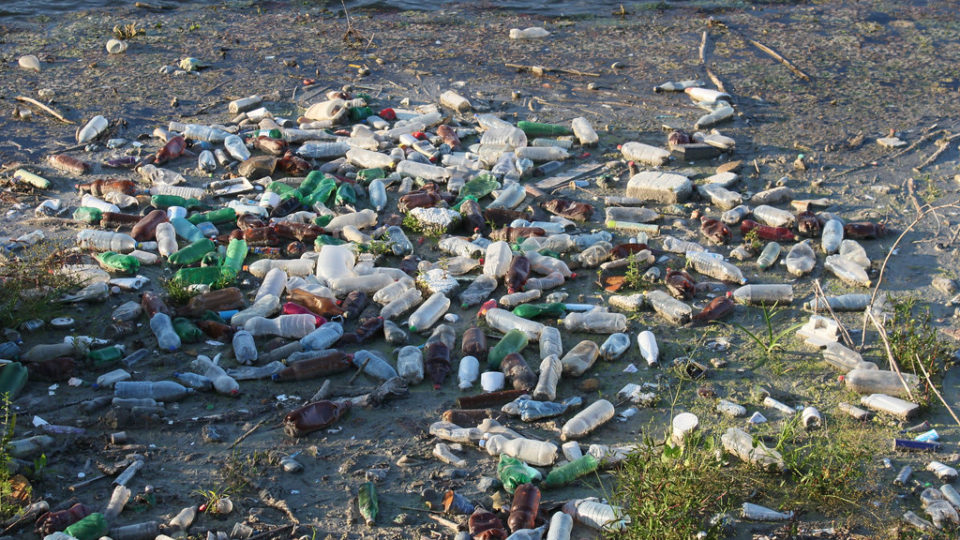
Every year, 380 million tons of plastic are created worldwide, and that number continues to grow.  Furthermore, more than 75% of these materials are discarded after one use.  Much of it ends up in oceans and waterways, harming wildlife and spreading toxins.

Recycling most plastics is difficult because while they can be melted and reprocessed, the resultant material is not as structurally strong as the original material.  Thus, plastics are often down-cycled such as turning plastic bottles into molded park benches.

Researchers at Northwestern University, Argonne National Laboratory, and Ames Laboratory have developed a new method for upcycling abundant, seemingly low-value plastics into high-quality liquid products, such as motor oils, lubricants, detergents, and even cosmetics.  The catalytic method  could remove plastic pollution from the environment and contribute to a circular economy.

Plastics don’t degrade when disposed of because they have very strong carbon-carbon bonds.  Instead they just break into smaller bits, known as microplastics.  The researchers viewed these strong bonds as an opportunity rather than a problem.

The new technique actually recoups the high energy that holds these bonds together by catalytically converting polyethylene molecules into value-added commercial products.  The catalyst consists of platinum nanoparticles deposited onto perovskite nanocubes.  Under moderate pressure and temperature, the catalyst cleaves the carbon-carbon bonds in plastic to produce high-quality liquid hydrocarbons. 

The researchers believe these findings could lead to a future in which we can continue to benefit from plastic materials but do so in a way that is sustainable and less harmful to the environment.

**********

Web Links

Turning plastic trash into treasure

Photo, posted August 15, 2012, courtesy of Emilian Robert Vicol via Flickr.

Earth Wise is a production of WAMC Northeast Public Radio.

Primary Sidebar

Recent Episodes

  • An uninsurable future
  • Clean energy and jobs
  • Insect declines in remote regions
  • Fossil fuel producing nations ignoring climate goals
  • Trouble for clownfishes

WAMC Northeast Public Radio

WAMC/Northeast Public Radio is a regional public radio network serving parts of seven northeastern states (more...)

Copyright © 2025 ·