• Skip to primary navigation
  • Skip to main content
  • Skip to primary sidebar

Earth Wise

A look at our changing environment.

  • Home
  • About Earth Wise
  • Where to Listen
  • All Articles
  • Show Search
Hide Search
You are here: Home / Archives for die offs

die offs

Seabirds rescuing coral reefs

January 8, 2024 By EarthWise Leave a Comment

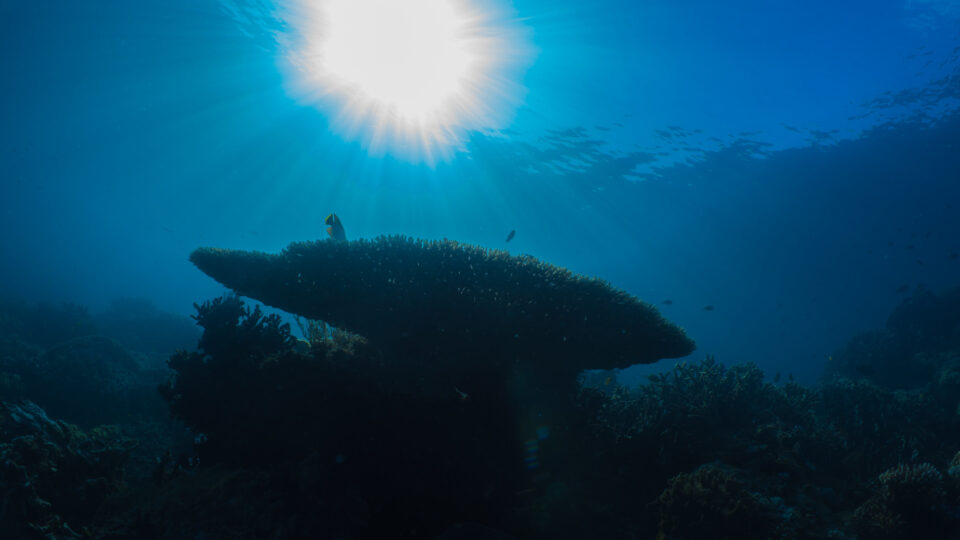
A new study by researchers at Lancaster University in the UK has found that the presence of seabirds on islands adjacent to tropical coral reefs can more than double the coral growth rates on those reefs.

The study found that when coral reefs grow faster, they can bounce back more quickly from bleaching events that occur when the seas become too warm.  The focus of the study was a type of coral called Acropora, which provides complex structures supporting fish populations and reef growth. 

The researchers found that Acropora around islands populated by seabirds recovered from bleaching events about 10 months faster than reefs located away from seabird colonies.  Speeding up coral recovery times could prove the difference between continuing to bounce back from bleaching events and dying off.

The seabirds are helping the coral reefs with their droppings.  The birds feed on fish in the open ocean far from islands and then return to the islands to roost.  They deposit nitrogen- and phosphorus-rich nutrients in the form of guano, some of which is washed off of the islands by rain and into the surrounding seas.  The nutrients fertilize corals and other marine species.

To determine whether the faster growth rates were really due to the bird-supplied nutrients, the researchers studied rat-infested islands that had no bird populations.  The study confirmed that it was the presence of seabirds that provided enhanced nutrients for the coral reefs.  In fact, a primary outcome of the study was to add further weight to the growing body of evidence of the ecological damage across ecosystems on land and sea from invasive rats on tropical islands.

**********

Web Links

Feathered friends can become unlikely helpers for tropical coral reefs facing climate change threat

Photo, posted September 15, 2019, courtesy of Rickard Zerpe via Flickr.

Earth Wise is a production of WAMC Northeast Public Radio
Saving Florida’s Corals | Earth Wise

September 6, 2023 By EarthWise Leave a Comment

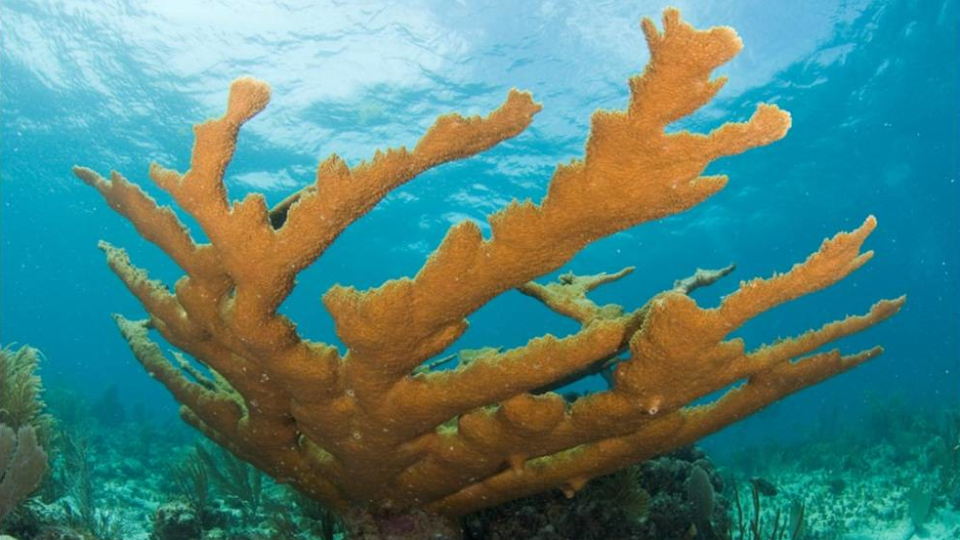
Strategies to save Florida's corals

When corals are exposed to extended periods of excess heat, they are subject to bleaching, which occurs when they expel the algae that live within their structure.  Bleaching can lead to coral death.

This summer, temperatures in the Florida Keys crossed the bleaching threshold in mid-June and remained above it for extended periods of time.  This cumulative heat exposure leads to widespread bleaching and significant die-offs.  The last major mass bleaching event in the Florida Keys occurred in 2014 and 2015.

The Coral Restoration Foundation has been receiving reports ranging from partial bleaching to mass coral mortality throughout the keys.  Several coral restoration sites in the lower Keys have been totally lost already.

The National Oceanic and Atmospheric Administration and its state agency, university, and non-profit partners have initiated actions to try to save Florida’s corals.

They have halted all restoration-related planting and are evacuating some of their nursery-grown stock to climate-controlled labs.  They are considering interventions such as shading coral nurseries or even high-value reef sites.  They are also considering feeding nursery and wild corals until the waters cool off enough for algae to return.

Modeling indicates that there is a 70-100% chance that the extreme heat in the North Atlantic will persist through September-October.  NOAA and its partners will continue to do what they can to save Florida’s Coral Reef for the marine and human communities that depend on them.

**********

Web Links

NOAA and partners race to rescue remaining Florida corals from historic ocean heat wave

Photo, posted April 19, 2012, courtesy of U.S. Fish and Wildlife Service Southeast Region via Flickr.

Earth Wise is a production of WAMC Northeast Public Radio

Primary Sidebar

Recent Episodes

  • An uninsurable future
  • Clean energy and jobs
  • Insect declines in remote regions
  • Fossil fuel producing nations ignoring climate goals
  • Trouble for clownfishes

WAMC Northeast Public Radio

WAMC/Northeast Public Radio is a regional public radio network serving parts of seven northeastern states (more...)

Copyright © 2026 ·