• Skip to primary navigation
  • Skip to main content
  • Skip to primary sidebar

Earth Wise

A look at our changing environment.

  • Home
  • About Earth Wise
  • Where to Listen
  • All Articles
  • Show Search
Hide Search
You are here: Home / Archives for crucial

crucial

Sustainable hydrogen from methane

February 14, 2024 By EarthWise Leave a Comment

Creating sustainable hydrogen from methane

Hydrogen could serve as a viable alternative to fossil fuels that can be used directly as a fuel or can be used to generate electricity to power cars and other devices. However, large-scale production of hydrogen currently relies on fossil fuels and creates carbon emissions in the process.

So-called green hydrogen involves using electricity to split water into its component elements to produce it.  If the electricity is generated without emissions, then the hydrogen is truly green.

Another way to get hydrogen is by breaking down hydrocarbons like methane, which itself is a very powerful greenhouse gas.  This so-called blue hydrogen could be environmentally friendly if an appropriate method for producing it can be developed.

Existing techniques for converting methane into hydrogen involve the use of metal catalysts – often nickel – that are energy-intensive to mine and manufacture, and can negatively affect the environment.  Research at the University of Surrey in the UK has shown promising results for the use of nitrogen-doped nanocarbons as metal-free catalysts for the direct conversion of methane into hydrogen.  One of the biggest problems with using metal catalysts for hydrogen production is that they get poisoned by carbon.  The carbon that comes out of the methane ends up stopping the catalyst from continuing to do its chemical job.  It turns out that the doped nanocarbon approach to hydrogen catalysis appears to be resistant to this problem.

The development of sustainable hydrogen production methods, including efficient and sustainable electrolysis of water as well as catalysis of hydrocarbons like methane, is crucial to realizing the potential of hydrogen fuel as a clean energy source.

**********

Web Links

‘Game-changing’ findings for sustainable hydrogen production

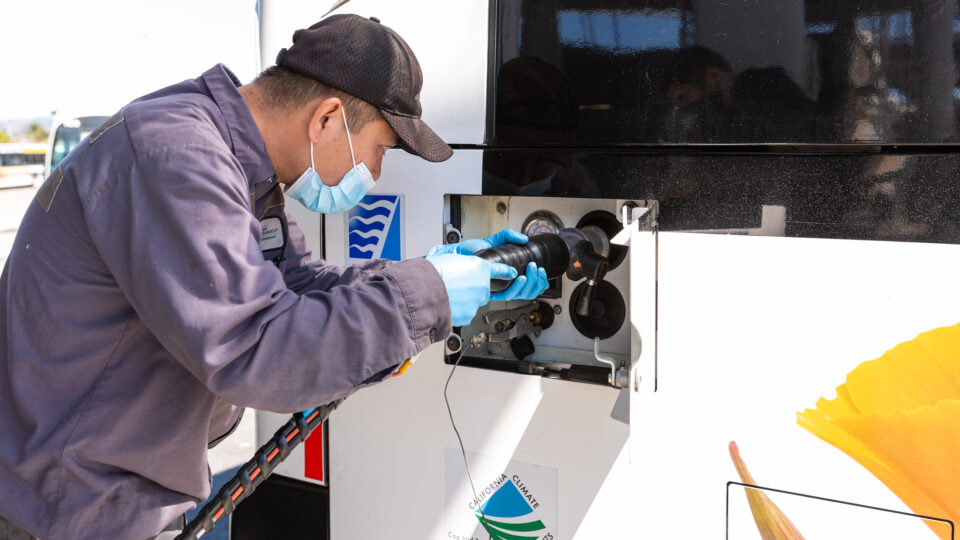
Photo, posted April 30, 2021, courtesy of California Energy Commission via Flickr.

Earth Wise is a production of WAMC Northeast Public Radio
Lithium In The Salton Sea | Earth Wise

October 2, 2023 By EarthWise Leave a Comment

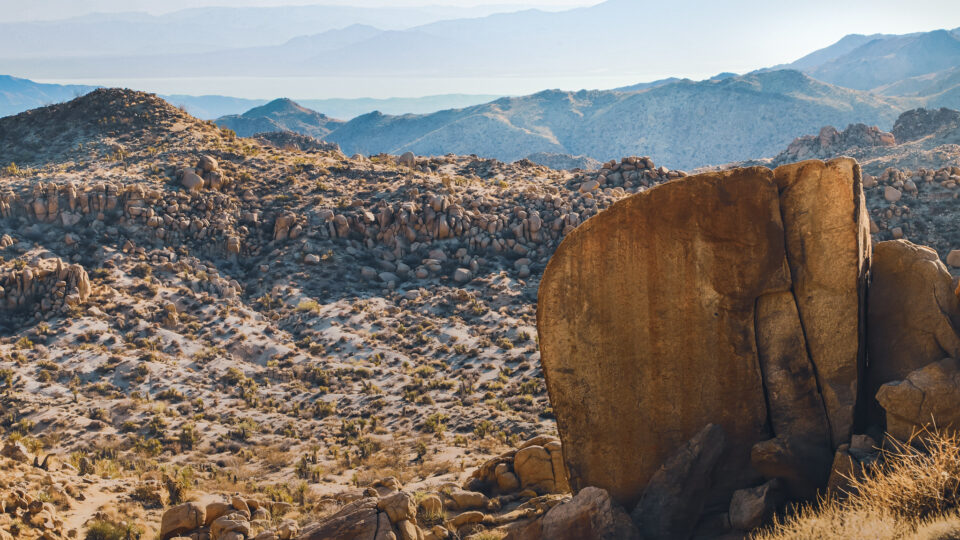
The Salton Sea is a shallow, landlocked, extremely salty body of water in the southern end of California.  It was formed from an inflow of water from the Colorado River in 1905 in the aftermath of a collapse of a canal during spring floods.  At one time, it was a thriving tourist destination and site of real estate speculation.  It was also a crucial habitat for migratory birds and various aquatic species.

Over the past 20 years, the Salton Sea has become increasingly desiccated and polluted with agricultural runoff and waste.  Rising salinity and the shrinking water supply from the Colorado River has made it uninhabitable for many species.

Recently, the Salton Sea has attracted new attention because of untouched lithium deposits located beneath its shores.  The general area has acquired the moniker “Lithium Valley” and has become a place where major energy companies are exploring advanced mining techniques such as Direct Lithium Extraction (DLE).  This new technique enables lithium to be captured from brine deposits without resource-intensive open-pit mining or evaporation pond processes.

Lithium is crucial for making the batteries that power electric vehicles.  DLE mining has attracted large investments from billionaires like Warren Buffet, Bill Gates, and Jeff Bezos. 

Lithium mining has generated major controversies because of its potential to damage the environment.  Whether the new mining techniques can avoid these problems and tap into the potential resources near the Salton Sea remains to be seen.  According to experts, the aquifers near the Salton Sea hold enough lithium to supply close to 40% of the global demand.

*********

Web Links

As Companies Eye Massive Lithium Deposits in California’s Salton Sea, Locals Anticipate a Mixed Bag

Photo, posted October 28, 2021, courtesy of Christian Collins via Flickr.

Earth Wise is a production of WAMC Northeast Public Radio
Mangrove Forests And Climate Change | Earth Wise

August 3, 2022 By EarthWise Leave a Comment

Climate change is disrupting mangrove forests

Mangrove forests play a vital role in the health of our planet.  These coastal forests are the second most carbon rich ecosystems in the world.  A patch of mangrove forest the size of a soccer field can store more than 1,000 tons of carbon. It does this by capturing carbon from the air and storing it in leaves, branches, trunks, and roots.

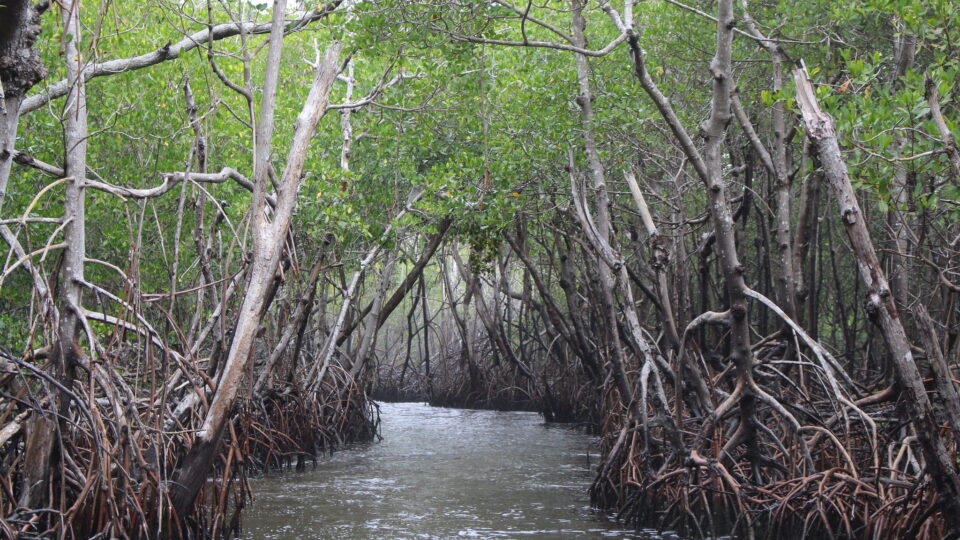
Mangrove forests only grow at tropical and subtropical latitudes near the equator because they cannot withstand freezing temperatures.  These forests can be recognized by their dense tangle of prop roots that make the trees look like they are standing on stilts above the water.  These roots allow the trees to handle the daily rise and fall of tides.  Most mangroves get flooded at least twice a day.  The roots also slow the movement of tidal waters, which allows sediments to settle out of the water and build up on the muddy bottom.  Mangrove forests stabilize coastlines, reducing erosion from storms, currents, waves, and tides.

A new study by the University of Portsmouth in the UK looked at the effects of climate change on how carbon is stored in mangrove forests.  In mangrove ecosystems, a variety of organisms break down fallen wood.  These include fungi, beetle larvae, and termites.  Closer to the ocean, clams known as shipworms degrade organic material.

Climate change is disrupting these processes in at least two ways.  Rising sea levels are changing the way sediments build up and increased ocean acidity is dissolving the shells of marine organisms like shipworms.

Mangrove forests are crucial to mitigating climate change, and changes to the functioning of the carbon cycle of those ecosystems are a threat to their ability to perform that function.

**********

Web Links

Study Reveals How Climate Change Can Significantly Impact Carbon-Rich Ecosystem

Photo, posted March 24, 2014, courtesy of Daniel Hartwig via Flickr.

Earth Wise is a production of WAMC Northeast Public Radio.

Primary Sidebar

Recent Episodes

  • An uninsurable future
  • Clean energy and jobs
  • Insect declines in remote regions
  • Fossil fuel producing nations ignoring climate goals
  • Trouble for clownfishes

WAMC Northeast Public Radio

WAMC/Northeast Public Radio is a regional public radio network serving parts of seven northeastern states (more...)

Copyright © 2026 ·