• Skip to primary navigation
  • Skip to main content
  • Skip to primary sidebar

Earth Wise

A look at our changing environment.

  • Home
  • About Earth Wise
  • Where to Listen
  • All Articles
  • Show Search
Hide Search
You are here: Home / Archives for content

content

A common plant could be a valuable food source

April 4, 2024 By EarthWise Leave a Comment

A common plant could boost food security in a hungry world

A new study by researchers at Penn State University has found that a common water plant in the eastern U.S. could be a valuable green fertilizer, a feed for poultry and livestock, and even a life-saving food for people in the event of a catastrophe or disaster.

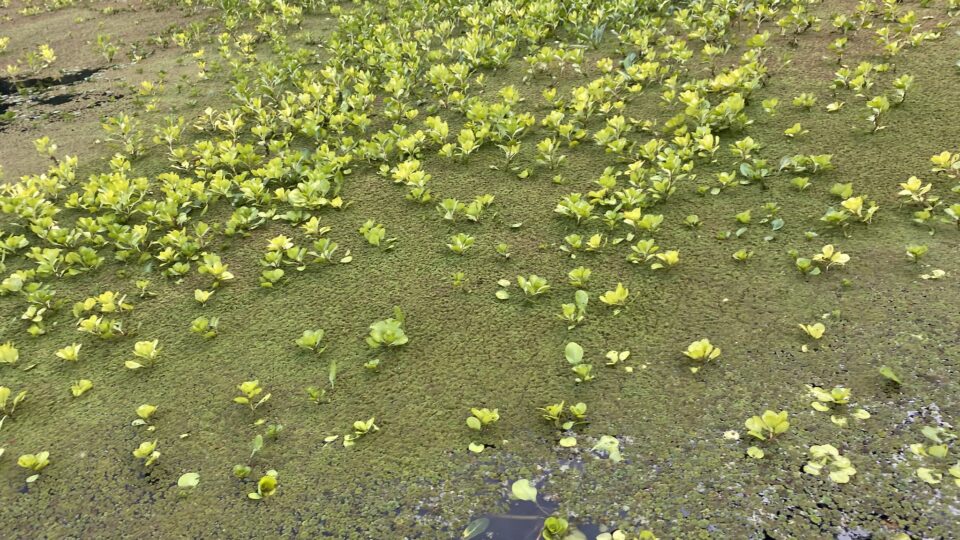
The plant is the Carolina azolla.  It is sometimes called mosquito fern, fairy moss, or water fern. It is a water plant that grows very rapidly; it can double its biomass in two days.   There are many varieties of azolla, but the Carolina strain is more digestible and nutritious for people than any of the others.

Azolla species have been used across the world for centuries as a livestock feed and as a fertilizer.  They have not been good for human consumption because of high polyphenolic content, which can be 10 times more than that of common food plants.  Polyphenols are abundant compounds in many plants and, in low concentrations, are beneficial antioxidants.  But in high concentrations they act as antinutritional agents.

It turns out that the Carolina azolla – described as having a crisp texture and neutral taste – has a polyphenolic content comparable to many fruits, nuts, and vegetables.  Furthermore, cooking significantly decreases the polyphenolic content in foods.

Carolina azolla has significant nutritional value including high mineral yields and calories,  and moderate protein content.  Whether it is used as a quick-fix in a disaster situation or as part of a long-term resilience plan, the study concludes that Carolina azolla holds excellent potential for use as a fast-growing, short-season crop that requires minimal effort to grow and process and could be used to increase food security in a hungry world.

**********

Web Links

Common plant could help reduce food insecurity, researchers find

Photo, posted October 8, 2020, courtesy of Dana L. Brown via Flickr.

Earth Wise is a production of WAMC Northeast Public Radio
A Better Way To Recycle Plastic | Earth Wise

July 25, 2022 By EarthWise Leave a Comment

Researchers are developing a better way to recycle plastic

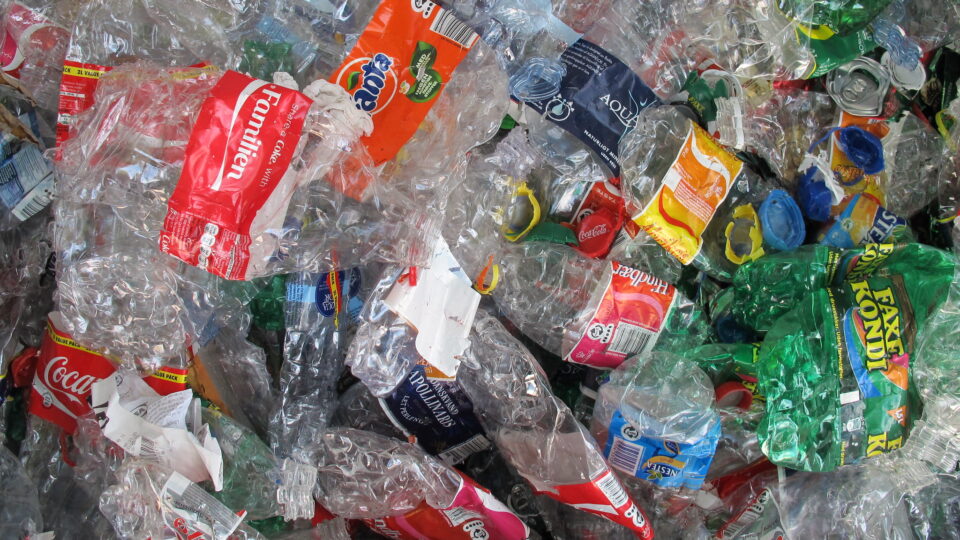
The current state of plastic recycling is not very effective.  Plastic recycling is only able to replace 15-20% of the fossil-fuel-derived raw material needed to produce society’s demand for plastic.

Researchers at Chalmers University in Sweden have now demonstrated how the carbon content in mixed waste could be used to replace all of the fossil raw materials in the production of new plastic.  In principle, their technology could completely eliminate the climate impact of plastic materials.

According to the researchers, there are enough carbon atoms in waste to meet the needs of all global plastic production.

The Chalmers process is based on thermochemical technology and involves heating waste to 1100-1500 degrees Fahrenheit.  The waste is thereby vaporized and when hydrogen is added, becomes a carbon-based substance that can replace the fossil-fuel building blocks of plastic.  The method does not require sorting the waste materials.  Different types of waste, such as old plastic products and even paper cups, with or without food residues, can be fed into the recycling reactors.  The researchers are now developing the techniques required to utilize their recycling technology in the same factories in which plastic products are currently being made from fossil oil or gas.

The principle of the process is inspired by the natural carbon cycle in which plants break down into carbon dioxide when they wither and die, and then photosynthesis uses carbon dioxide and solar energy to grow new plants.

Producing new plastics would no longer require petroleum or other fossil fuels as raw materials.  If the energy needed to drive the recycling reactors is taken from renewable sources, plastics could become the basis of a sustainable and circular economy.

**********

Web Links

Pioneering recycling turns mixed waste into premium plastics with no climate impact

Photo, posted August 10, 2013, courtesy of Lisa Risager via Flickr.

Earth Wise is a production of WAMC Northeast Public Radio.

Primary Sidebar

Recent Episodes

  • An uninsurable future
  • Clean energy and jobs
  • Insect declines in remote regions
  • Fossil fuel producing nations ignoring climate goals
  • Trouble for clownfishes

WAMC Northeast Public Radio

WAMC/Northeast Public Radio is a regional public radio network serving parts of seven northeastern states (more...)

Copyright © 2026 ·