• Skip to primary navigation
  • Skip to main content
  • Skip to primary sidebar

Earth Wise

A look at our changing environment.

  • Home
  • About Earth Wise
  • Where to Listen
  • All Articles
  • Show Search
Hide Search
You are here: Home / Archives for condition

condition

La Niña has arrived

February 26, 2025 By EarthWise Leave a Comment

After seven months of waiting following the end of the recent El Niño condition, La Niña finally showed up in the eastern Pacific Ocean in early December.

El Niño and La Niña are climate patterns in the Pacific Ocean that can affect weather worldwide.  Normally, trade winds in the Pacific blow west along the equator, taking warm water from South America towards Asia.  To replace the warm water, cold water rises from the depths.  During El Niño, trade winds weaken and warm water is pushed back east, toward the west coast of the Americas.  As a result, areas in the northern U.S. and Canada are dryer and warmer than usual.

During La Niña, trade winds are stronger than usual, pushing more warm water toward Asia.  This results in more upwelling of cooler water from the depths.  This tends to lead to drought in the southern U.S. and heavy rains and flooding in the Pacific Northwest and Canada.  During a La Niña year, winter temperatures are warmer than normal in the South and cooler than normal in the North.

According to the report published in January by NOAA, the La Niña that has arrived is not a particularly strong one.  Sea surface temperatures are only about 1.3 degrees Fahrenheit below average in the tropical Pacific.  The report also suggests that the La Niña condition may not stick around very long.

The El Niño-Southern Oscillation phenomenon adds a natural source of year-to-year variability in global temperatures.  The presence of La Niña for at least part of this year may temporarily keep the lid on rapidly climbing global temperatures.

**********

Web Links

La Niña Is Here

Photo, posted November 23, 2011, courtesy of NASA Goddard Space Flight Center via Flickr.

Earth Wise is a production of WAMC Northeast Public Radio
How warm is It?

August 8, 2024 By EarthWise Leave a Comment

The record-breaking heat continues

As of June, the world had seen 13 consecutive months of record-breaking heat.  The average global temperature over the last 12 of those months measured 1.5 degrees Celsius warmer than the preindustrial era. This means that the world has at least temporarily exceeded the temperature target set forth in the Paris Climate Agreement.

Does this mean that climate change has gotten to the point where keeping temperatures below that goal is no longer possible? Not necessarily. Temperatures could drop below the 1.5-degree level in the near future.

The world has certainly been warming as a result of climate change, but the spike in temperature for the past year has also been driven by an El Niño condition in the Pacific, which leads to warmer temperatures.  How much of the warming is a result of each factor is not known.

But scientists say that El Niño has ended in June and a La Niña condition is likely to take shape between August and October. This would lead to cooler temperatures in many places.

Despite the extensive and lingering heatwaves in the US in July, on a global scale, temperatures have actually started falling in July.  July may end up being the first month since June 2023 to not set a new monthly global temperature record.  Nevertheless, the long streak of record-high temperatures is no statistical anomaly.  It is indicative of a large and continuing shift in the climate.   Whether conditions in the Pacific produce an El Niño or a La Niña, the steady long-term warming will continue as long as human-generated carbon emissions continue.

**********

Web Links

How Bad Is Warming? La Niña May Reveal

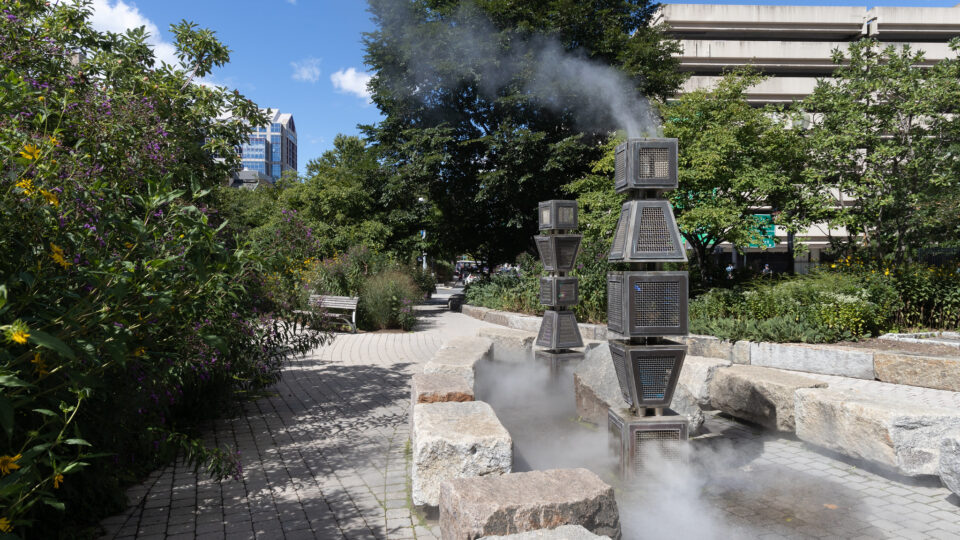
Photo, posted September 19, 2022, courtesy of Paul Sableman via Flickr.

Earth Wise is a production of WAMC Northeast Public Radio
Triple La Niña | Earth Wise

January 16, 2023 By EarthWise Leave a Comment

La Niña is an oceanic phenomenon consisting of cooler than normal sea-surface temperatures in the central and eastern tropic Pacific.  It is essentially the opposite of the better-known El Niño.   These sea-surface phenomena affect weather across the globe.  As one oceanographer put it:  when the Pacific speaks, the whole world listens.

There is currently a La Niña underway, and it is the third consecutive northern hemisphere winter that has had one.  This so-called triple-dip event is rather rare.  The only other times they have been recorded over the past 70 years were in 1954-56, 1973-76, and 1998-2001.

La Niñas appear when strong easterly trade winds increase the upwelling of cooler water from the depths of the eastern tropical Pacific Ocean near the equator.  This causes large-scale cooling of the ocean surface.  The cooler ocean surface modifies the moisture content of the atmosphere across the Pacific and can cause shifts in the path of jet streams that intensifies rainfall in some places and causes droughts in others.

These weather effects tend to include floods in northern Australia, Indonesia, and southeast Asia and, in contrast, drought in the American southwest.  In North America, cooler and stormier conditions often occur across the Pacific Northwest while the weather becomes warmer across the southern US and northern Mexico.

In the spring, the tropic Pacific essentially resets itself and starts building toward whatever condition will happen in the following winter, be it another La Niña or possibly an El Niño.   For the time being, forecasters expect the current La Niña to persist through February.

**********

Web Links

La Niña Times Three

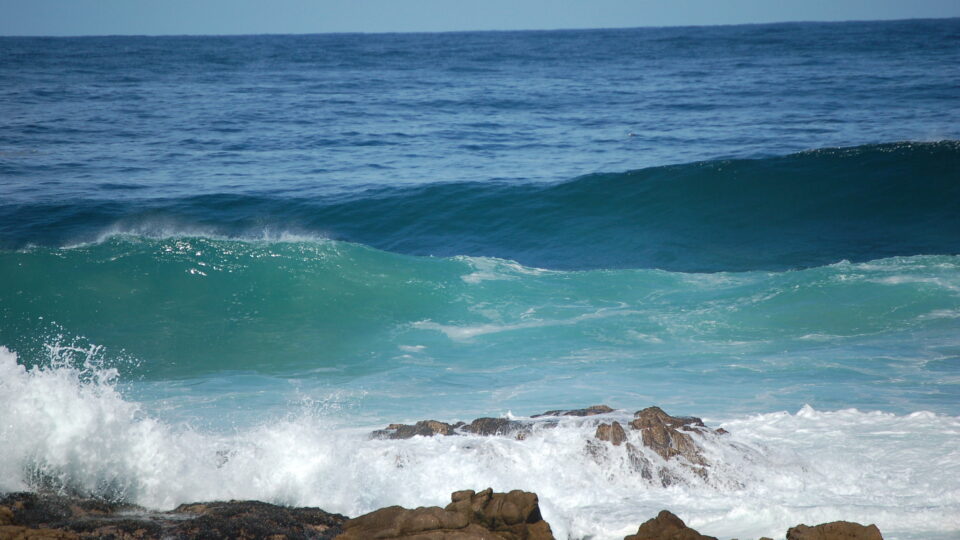
Photo, posted March 10, 2007, courtesy of Gail via Flickr.

Earth Wise is a production of WAMC Northeast Public Radio

Primary Sidebar

Recent Episodes

  • An uninsurable future
  • Clean energy and jobs
  • Insect declines in remote regions
  • Fossil fuel producing nations ignoring climate goals
  • Trouble for clownfishes

WAMC Northeast Public Radio

WAMC/Northeast Public Radio is a regional public radio network serving parts of seven northeastern states (more...)

Copyright © 2025 ·