• Skip to primary navigation
  • Skip to main content
  • Skip to primary sidebar

Earth Wise

A look at our changing environment.

  • Home
  • About Earth Wise
  • Where to Listen
  • All Articles
  • Show Search
Hide Search
You are here: Home / Archives for collection

collection

Increasing plastic recycling

August 15, 2024 By EarthWise Leave a Comment

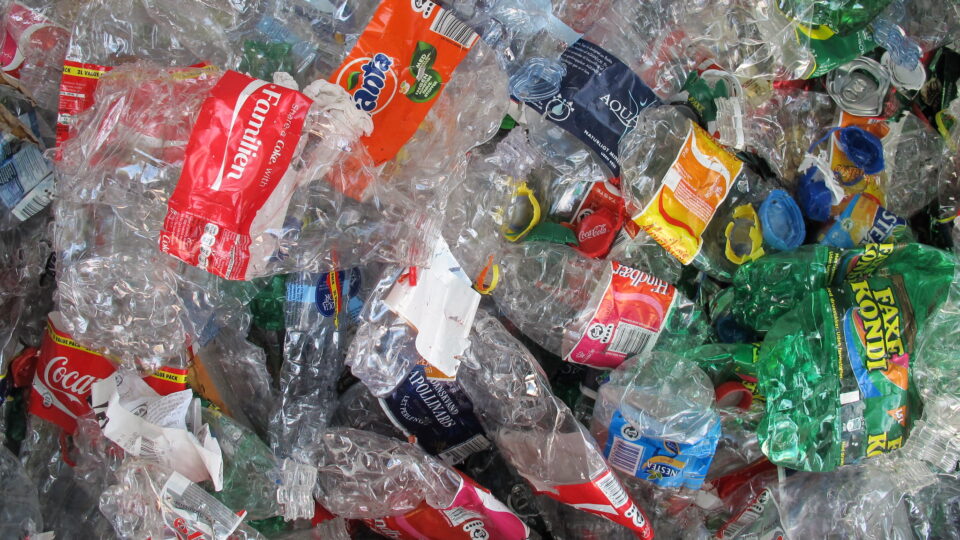
How to increase the rate of plastics recycling

Recycling plastic is a complicated matter.  There are many different types of plastic and knowing which things are made of which type isn’t easy.  There are increasingly widespread recycling systems across the U.S., but the actual rates of recycling have been described as “abysmal”.

The plastic commonly used in beverage bottles is polyethylene terephthalate, or PET.  The present nationwide rate of recycling PET is about 24% and has been about at that level for a decade.

A new study by MIT has found that with a nationwide bottle deposit program, the rates could increase to 82%.  At that level, nearly two-thirds of all PET bottles could be recycled into new bottles at a net cost of just a penny a bottle.

The study looked at PET bottle collection and recycling rates in different states as well as other nations with and without bottle deposit policies, and with and without curbside recycling programs.  The study is the first to look in detail at the interplay between public policies and the detailed end-to-end aspects of the packaging, production and recycling market.

Recycling of PET is highly successful in terms of quality.  New products made from all-recycled material is virtually indistinguishable from virgin material.  The crucial bottleneck is the collection of sufficient amounts of material to meet the needs of processing plants.  So, the conclusion of the study is that with the right policies in place, significant improvements can be made.  Several European countries manage to collect more than 90% of PET bottles for recycling.  So, it can be done.

**********

Web Links

How to increase the rate of plastics recycling

Photo, posted August 10, 2013, courtesy of Lisa Risager via Flickr.

Earth Wise is a production of WAMC Northeast Public Radio
Plastics and agriculture 

November 14, 2023 By EarthWise Leave a Comment

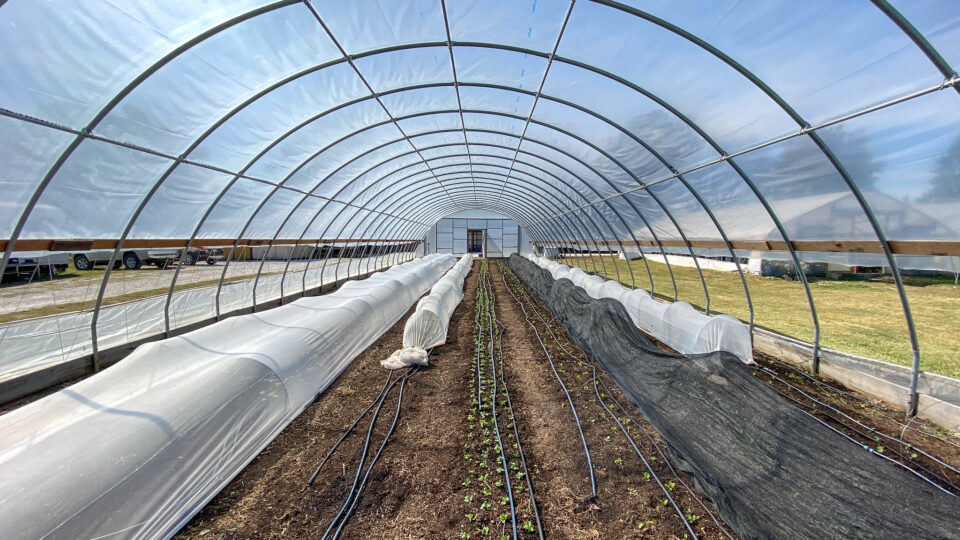
Once celebrated as a symbol of modern innovation, plastic is now both a blessing and a curse of our time.  Since the 1950s, more than nine billion tons of plastic have been produced, and 50% of that has been during the past 15 years.  Plastic is ubiquitous in every sector, and agriculture is no different.

Modern agriculture is responsible for almost a third of global greenhouse gas emissions and is a major drain on the planet’s resources.  Modern agriculture is also inextricably linked to plastic. In fact, more than 13 million tons of plastic are used in agriculture every year.  It’s nearly impossible to imagine modern agriculture without plastics. 

But according to a new study led by researchers from Rutgers University, plastic use in agriculture must be reduced in order to mitigate pollution, and prevent toxic chemicals from leaching into the soil and adversely affecting human health. 

In the study, which was recently published in Nature Communications Earth & Environment, the researchers found that it is essential to adopt a strategic approach to mitigate plastic pollution in agriculture, including responsible usage, reduction, efficient collection, reuse, and the implementation of innovative recycling methods. 

According to the researchers, when these sustainable approaches aren’t possible, biodegradable and nontoxic bioplastics should be used.  The research team insists that environmentally benign additives should be mandated in order to reduce plastic toxicity. 

Plastic pollution is a problem that needs to be addressed in every sector. 

**********

Web Links

Plastic Use in Agriculture Must be Reduced, According to New Research

How can the use of plastics in agriculture become more sustainable?

Photo, posted November 12, 2022, courtesy of Kevin Dooley via Flickr.

Earth Wise is a production of WAMC Northeast Public Radio
Takeout Food And Ocean Litter | Earth Wise

August 5, 2021 By EarthWise Leave a Comment

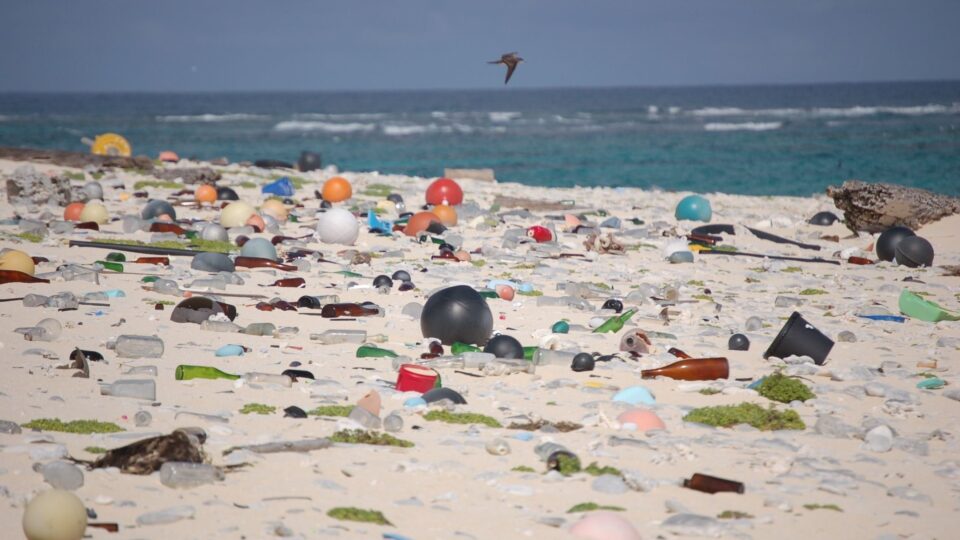
The majority of ocean litter collected around the world is from takeout food

The Covid-19 pandemic saw most of us making use of take-out or delivery services as our only access to restaurant food.  It was a valuable link to normal life.  But unfortunately, the packaging of takeout food is a major contributor to the global plastic waste problem that isn’t going to disappear just because people are returning to eating in restaurants.

A new analysis of more than 12 million items by UK researchers published in the journal Nature Sustainability has found that the majority of ocean litter collected around the world is in the form of takeout food items:  bags, wrappers, containers, straws and cutlery, aluminum cans, and plastic and glass bottles.  Eighty percent of all the items surveyed were made of plastic.

Wrappers and packaging tended to concentrate along coasts, gathering on the shore and the sea floor.  Takeout trash was rarer in the open ocean.  In those areas, fishing debris accounted for half of the litter.

The authors of the study argue that efforts to curb plastic waste should prioritize takeout food and beverage containers.  They recommend that avoidable takeout items, like single-use plastic bags, should be replaced with non-plastic and biodegradable materials.  The authors also recommended making plastic producers responsible for the collection and disposal of plastic products.

As of July 1, the European Union has banned the 10 most common plastic and Stryofoam products found on European beaches.  The EU is also establishing an active European market for recycled plastics based on the principles of extended producer responsibility.

**********

Web Links

Takeout Food and Drink Containers Account for Bulk of Ocean Litter

Photo, posted September 14, 2009, courtesy of Susan White/USFWS via Flickr.

Earth Wise is a production of WAMC Northeast Public Radio.

Primary Sidebar

Recent Episodes

  • An uninsurable future
  • Clean energy and jobs
  • Insect declines in remote regions
  • Fossil fuel producing nations ignoring climate goals
  • Trouble for clownfishes

WAMC Northeast Public Radio

WAMC/Northeast Public Radio is a regional public radio network serving parts of seven northeastern states (more...)

Copyright © 2026 ·