• Skip to primary navigation
  • Skip to main content
  • Skip to primary sidebar

Earth Wise

A look at our changing environment.

  • Home
  • About Earth Wise
  • Where to Listen
  • All Articles
  • Show Search
Hide Search
You are here: Home / Archives for cleared

cleared

Forest Regrowth In The Amazon | Earth Wise

January 20, 2020 By EarthWise Leave a Comment

Forest Regrowth Amazon deforestation rainforest

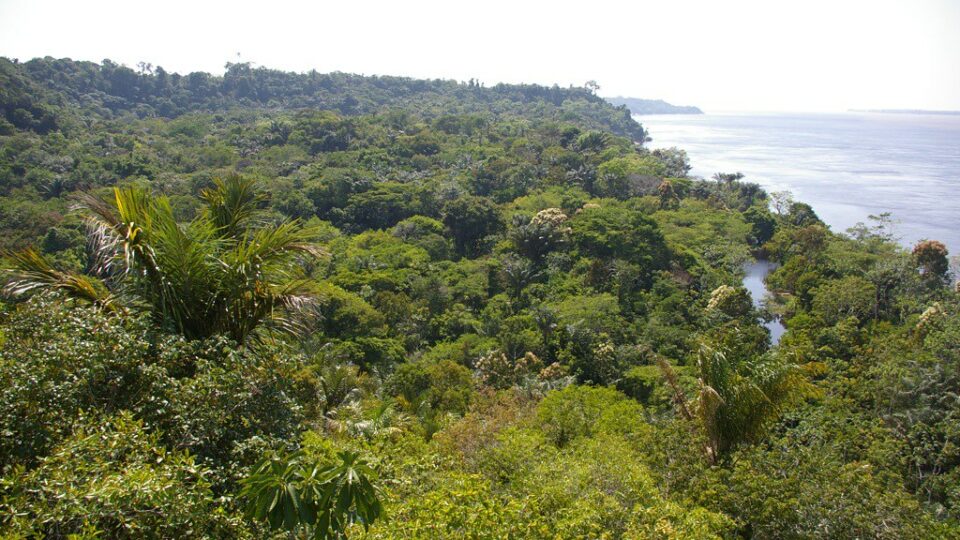
The Amazon is the largest tropical rainforest in the world.  It covers an area approximately equal in size to the lower 48 states, and is home to an estimated 10% of the world’s biodiversity and 15% of its freshwater.  These so-called “lungs of the planet” provide many important global ecological services, including carbon storage, and regulating air quality and climate.

Deforestation in the Amazon exploded in the 1970s and remains one of its biggest threats today.  Since the 1970s, more than 20% of the Amazon rainforest has been cleared.  Cattle ranching, soy and palm plantations, logging, and climate change are some of the biggest drivers of deforestation.  

Now, according to a new study recently published in the journal Ecology, the regrowth of Amazonian forests following deforestation may happen more slowly than previously thought.  These findings could have significant impacts on climate change predictions as the ability of forest regrowth in the Amazon – so-called secondary forests – may have been overestimated.  The research, which was conducted in Bragança, Brazil and includes two decades of forest monitoring, reveals that climate change and the wider loss of forests could be hampering regrowth.    

After 60 years of regrowth, the research team found that secondary forests only held 40% of the carbon when compared with forests undisturbed by humans.  Secondary forests also take less carbon from the atmosphere during periods of drought, and climate change is increasing the number of drought-years in the Amazon.  (During their 20 years of monitoring, the researchers also found biodiversity levels in secondary forests were only 56% of those seen in undisturbed forests). 

More long-term studies are needed to better understand the impacts of reforestation efforts.  

**********

Web Links

Amazon forest regrowth much slower than previously thought

Photo, posted September 6, 2009, courtesy of Nao Lizuka via Flickr.

Earth Wise is a production of WAMC Northeast Public Radio.
The Price of Chocolate

April 18, 2019 By EarthWise Leave a Comment

The Ivory Coast has lost more than 80% of its forests in the last 50 years, mainly as a result of cocoa production.

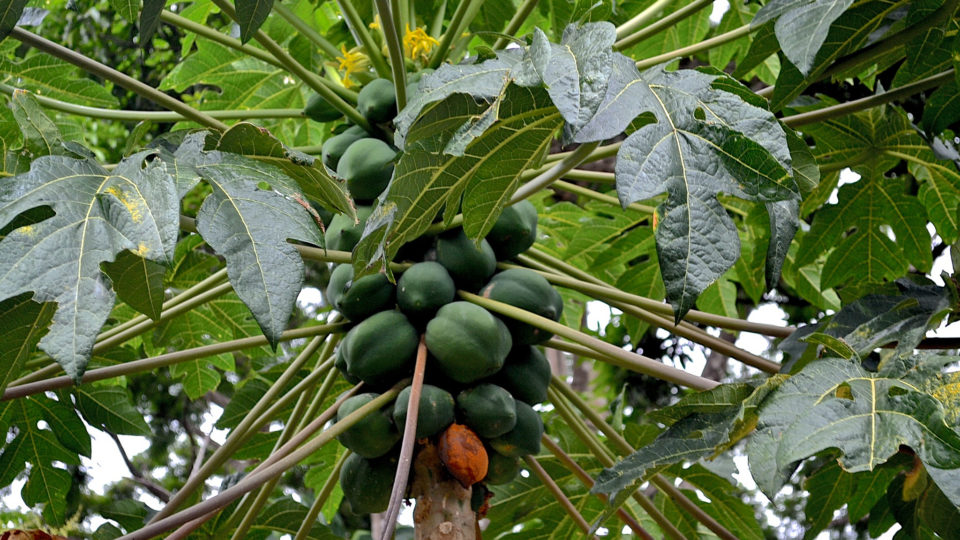
The Ivory Coast is a West African country the size of New Mexico and it produces more than a third of the world’s cocoa.  But around 40% of the country’s cocoa crop – supplying more than a tenth of the world’s chocolate bars – is grown illegally in the country’s national parks and 230 supposedly protected government-owned forests. 

Over the decades, as many as one million landless people from drought-stricken places like Mali and Burkina Faso moved into national parks and protected forests and started farming cocoa.  The Marahoue National Park alone has 30,000 illegal inhabitants.

Most cocoa is grown in monocultures of what is known as the full-sun system, which requires the removal of all surrounding trees.  As a result, many allegedly protected areas have been completely converted into farms.  Most of the cocoa in the Ivory Coast is grown on small farms, typically plots of 7 to 10 acres.  The farmers are caught in an exploitative and corrupt system of cocoa trading and land appropriation, and most earn less than a dollar a day.  Meanwhile, government agencies charged with protecting the forests are more interested in collecting bribes than safeguarding woodlands.

The Ivory Coast government is unveiling a plan to actually remove protection from most of its remaining forests and hand them over to the world’s chocolate traders.    The claim is that this will protect other forests by improving cocoa productivity in already deforested areas.  Needless to say, conservation groups are dubious that the new plan will positively impact an already terrible situation.

**********

Web Links

The Real Price of a Chocolate Bar: West Africa’s Rainforests

Photo, posted April 17, 2015, courtesy of Tom Coady via Flickr.

Earth Wise is a production of WAMC Northeast Public Radio.

Primary Sidebar

Recent Episodes

  • An uninsurable future
  • Clean energy and jobs
  • Insect declines in remote regions
  • Fossil fuel producing nations ignoring climate goals
  • Trouble for clownfishes

WAMC Northeast Public Radio

WAMC/Northeast Public Radio is a regional public radio network serving parts of seven northeastern states (more...)

Copyright © 2026 ·