• Skip to primary navigation
  • Skip to main content
  • Skip to primary sidebar

Earth Wise

A look at our changing environment.

  • Home
  • About Earth Wise
  • Where to Listen
  • All Articles
  • Show Search
Hide Search
You are here: Home / Archives for citrus

citrus

Transparent Wood | Earth Wise

June 14, 2021 By EarthWise Leave a Comment

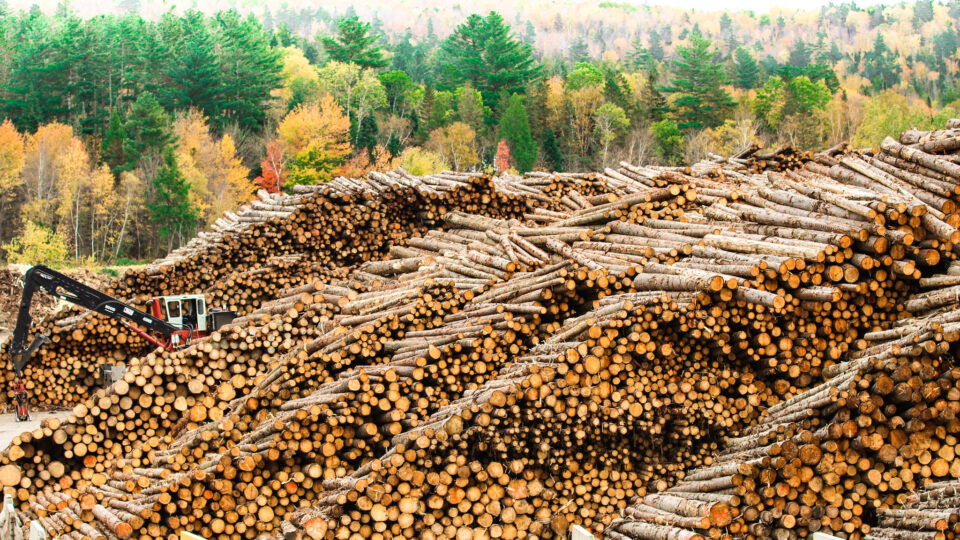
Making eco-friendly transparent wood

In recent years, there have been efforts to change the nature of wood to give it new properties.  People have demonstrated so-called augmented wood with integrated electronics, energy storage capabilities, and other properties.  Several different groups of researchers have developed wood that is actually transparent.

In 2016, researchers at KTH Royal Institute of Technology in Stockholm demonstrated transparent wood made by selectively extracting lignin – the substance that makes up the cell walls of wood -and replacing it with a polymer.  The result is a new material that is weatherproof, fairly fire resistant, stronger than wood, lighter than wood, and transparent.

When the lignin is removed from wood, the empty pores left behind need to be filled with something that restores the wood’s strength.  The early versions of transparent wood used polymethyl methacrylate – essentially acrylic plastic – for this purpose.  But that material is made from petroleum, so it is not an environmentally desirable approach.

Recently, the KTH researchers have successfully tested an eco-friendly alternative:  limonene acrylate, which is a monomer made from renewable citrus, such as peel waste that can be recycled from the orange juice industry.

There are many potential applications for transparent wood as a structural material.  These include load-bearing windows, skylights, and semi-transparent facades that are strong and thermally insulating and yet permit light to enter. 

Transparent wood would be a very attractive material for many applications in that it comes from renewable sources and offers excellent mechanical properties including strength, toughness, low density, and low thermal conductivity.

**********

Web Links

Citrus derivative makes transparent wood 100 percent renewable

Photo, posted October 12, 2018, courtesy of Mussi Katz via Flickr.

Earth Wise is a production of WAMC Northeast Public Radio.
Turning Food Waste Back Into Food | Earth Wise

March 3, 2021 By EarthWise Leave a Comment

Reincorporating food waste into agriculture

Scientists at the University of California Riverside have discovered that fermented food waste can boost bacteria that increase crop growth, make plants more resistant to pathogens, and reduce the carbon emissions resulting from farming.

Food waste is a serious problem from multiple perspectives.  As much as 50% of food is thrown away in the United States and most of that simply ends up in landfills, taking up more than 20% of America’s landfill volume.  Food waste is a huge economic loss as well as a significant waste of freshwater resources used to produce food.

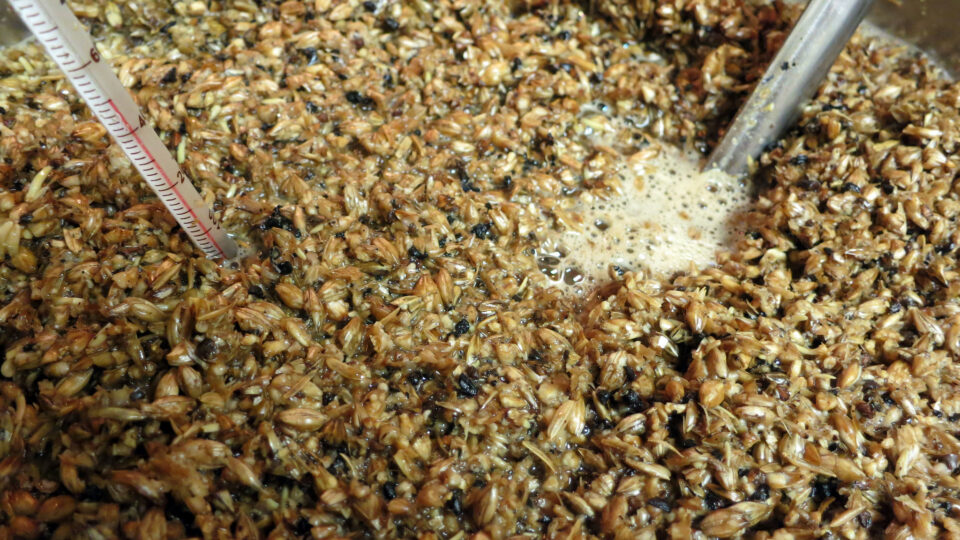
The researchers studied byproducts from two kinds of food waste readily available in Southern California:  beer mash – a byproduct of beer production – and mixed food waste discarded by grocery stores.

Both types of waste were fermented and then added to the irrigation system watering citrus plants in a greenhouse.  Within 24 hours, the average population of beneficial bacteria was two to three orders of magnitude greater than in plants that did not receive the treatments. This led to improvements in the carbon to nitrogen ratio in crops.  When there are enough so-called good bacteria in plants, they produce antimicrobial compounds and metabolites that help plants grow better and faster.

The results of the study suggest that the use of food waste products in agriculture is beneficial and could complement the use of synthetic chemical additives by farmers, perhaps eliminating it entirely.  Crops would in turn become less expensive.

Making use of food waste in agriculture is a step towards a more circular economy in which we use something and then find a new purpose for it.

**********

Web Links

Turning food waste back into food

Photo, posted October 28, 2012, courtesy of Daniel Lobo via Flickr.

Earth Wise is a production of WAMC Northeast Public Radio.
A New Problem For New York Apples | Earth Wise

August 6, 2020 By EarthWise Leave a Comment

new york apples in trouble

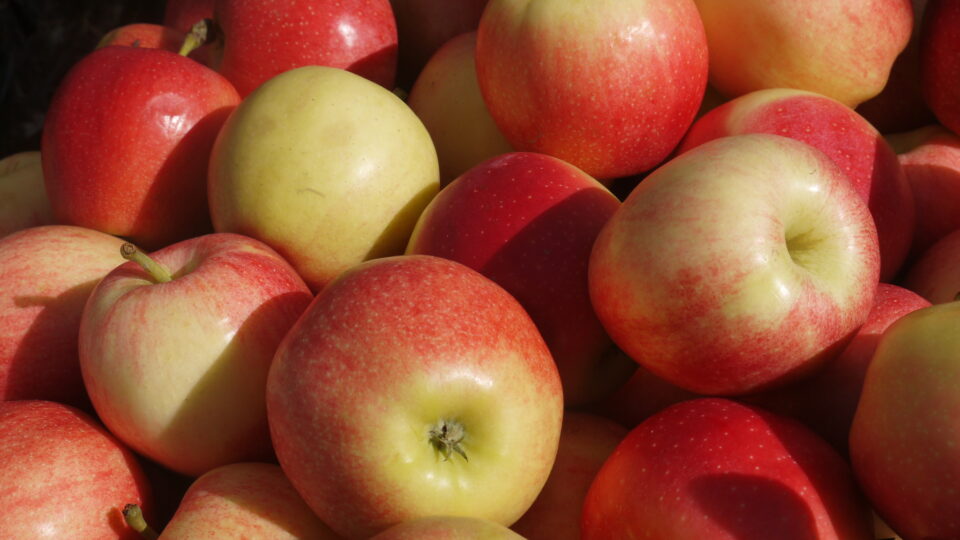
New York is the second largest apple-producing state in the country, trailing only Washington state.  New York averages nearly 30 million bushels of apples annually from approximately 600 commercial growers.  The apple industry supports 10,000 direct agricultural jobs as well as 7,500 indirect jobs involved with fruit handling, distribution, marketing and exporting.

Thus, there is considerable concern about the recent discovery by Cornell plant pathologists of a new fungal pathogen that causes bitter rot disease in apples.  They also found a second related fungus that is known to cause rot disease in other fruits but has now been found for the first time in apples.  The study was published in early July in the journal Scientific Reports.

Both of these pathogens belong to the genus Colletotichrum, which contains 189 species of fungi that cause devastating rot diseases in multiple fruit crops, including bananas, strawberries, citrus, avocados, papayas, mangoes and apples.

Unless protective measures are taken in a timely manner, apple losses from bitter rot in New York state can average up to 25% per year.  Some organic farms have lost essentially all of their crop at times.  Bitter rot also can destroy up to 5% of marketable fruit in post-harvest storage.

The Cornell study of samples from eight New York counties found both the Colletotrichum chrysophilum fungus, that had not been found in apples before, and a newly-discovered fungus that they named Colletotrichum noveboracense, after the Latin name for New York State.

The researchers plan to work with other plant pathologists and apple breeders to identify possible genes that confer natural resistance to Colletotrichum fungi that can be bred into apple cultivars.

**********

Web Links

Scientists identify new pathogen in NY apples

Photo, posted October 12, 2018, courtesy of Flickr.

Earth Wise is a production of WAMC Northeast Public Radio.

Primary Sidebar

Recent Episodes

  • An uninsurable future
  • Clean energy and jobs
  • Insect declines in remote regions
  • Fossil fuel producing nations ignoring climate goals
  • Trouble for clownfishes

WAMC Northeast Public Radio

WAMC/Northeast Public Radio is a regional public radio network serving parts of seven northeastern states (more...)

Copyright © 2026 ·