• Skip to primary navigation
  • Skip to main content
  • Skip to primary sidebar

Earth Wise

A look at our changing environment.

  • Home
  • About Earth Wise
  • Where to Listen
  • All Articles
  • Show Search
Hide Search
You are here: Home / Archives for carpets

carpets

Artificial plants to clean indoor air

December 12, 2024 By EarthWise Leave a Comment

The average American spends about 90% of their time indoors breathing the air in our workplaces, homes, or schools.  The quality of this air affects our overall health and well- being.  Indoor air quality is an issue because many sources can generate toxic materials, including building materials, carpets, and more.  But high levels of carbon dioxide are a health hazard themselves. Indoor CO2 levels can often be 5 to 10 times higher than the already heightened levels in the atmosphere. 

Many of us make use of air purification systems, which can be expensive, cumbersome, and require frequent cleaning and filter replacements.

Researchers at Binghamton University in New York are working to develop artificial plants that consume carbon dioxide, give off oxygen, and, as a bonus, generate a little electricity. These artificial plants make use of the artificial light in the indoor environment to drive photosynthesis.  They achieve a 90% reduction in carbon dioxide levels, which is far more than natural plants can achieve.

The Binghamton researchers had been working on bacteria-powered biobatteries for various applications, but they repurposed the work into a new idea for artificial plants.  The artificial plants have “leaves” containing a biological solar cell and photosynthetic bacteria.  Their first plant had five leaves and demonstrated promising carbon dioxide capture rates and oxygen generation.  It also produced a little electricity.  If its generating capacity can be improved, it might also be useful for charging cell phones or other practical applications.

**********

Web Links

Binghamton researchers develop artificial plants that purify indoor air, generate electricity

Photo, posted October 13, 2012, courtesy of F. D. Richards via Flickr.

Earth Wise is a production of WAMC Northeast Public Radio
PFAS In The Food Chain | Earth Wise

July 8, 2020 By EarthWise Leave a Comment

PFAS in the food chain

Per- and polyfluoroalkyl substances (PFAS) are a family of human-made chemicals that have been manufactured and used in a variety of industries around the globe.  PFOA and PFOS have been the most extensively produced and the most extensively studied of these chemicals. 

Exposure to PFAS has been linked to a host of adverse health effects, including thyroid hormone disruption and cancer.

PFAS compounds can be found in such things as non-stick cookware, stain-resistant carpets, water-repellent outdoor gear, and food packaging, like fast food wrappers and microwave popcorn bags. 

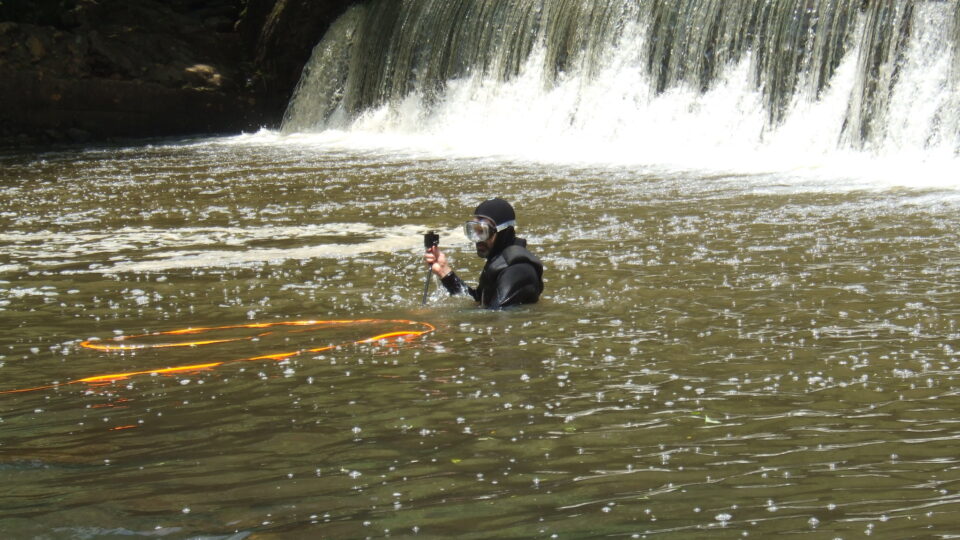
According to a new study, researchers from North Carolina State University have found PFAS substances in every step of the Yadkin-Pee Dee River food chain, even though the river doesn’t have a known industrial input of these compounds. 

The team collected water, sediment, algae, plant, insect, fish, crayfish, and mollusk samples at five sites along the river and analyzed them for 14 different PFAS compounds.  Nearly every sample tested contained PFAS compounds.  Biofilm contained the largest concentrations of 10 of the 14 PFAS compounds measured.  Insects, which primarily eat biofilm, had the greatest accumulation of PFAS compounds of all the living taxa the researchers sampled. 

When PFAS compounds are present at every step of the food chain, the compounds accumulate at each step leading to greater concentrations in animals that sit higher on the food chain – including humans.  This is known as biomagnification. 

Studies like this that reveal how prevalent PFAS can be within ecosystems without an industrial input highlight the need for further research into how these compounds affect the environment and human health.

*********

Web Links

PFAS present throughout the Yadkin-Pee Dee river food chain

Photo, posted May 24, 2011, courtesy of the U.S. Fish and Wildlife Service via Flickr.

Earth Wise is a production of WAMC Northeast Public Radio.

Doing More Harm Than Good

August 1, 2017 By EarthWise

https://earthwiseradio.org/wp-content/uploads/2017/08/EW-08-01-17-Antibacterials.mp3

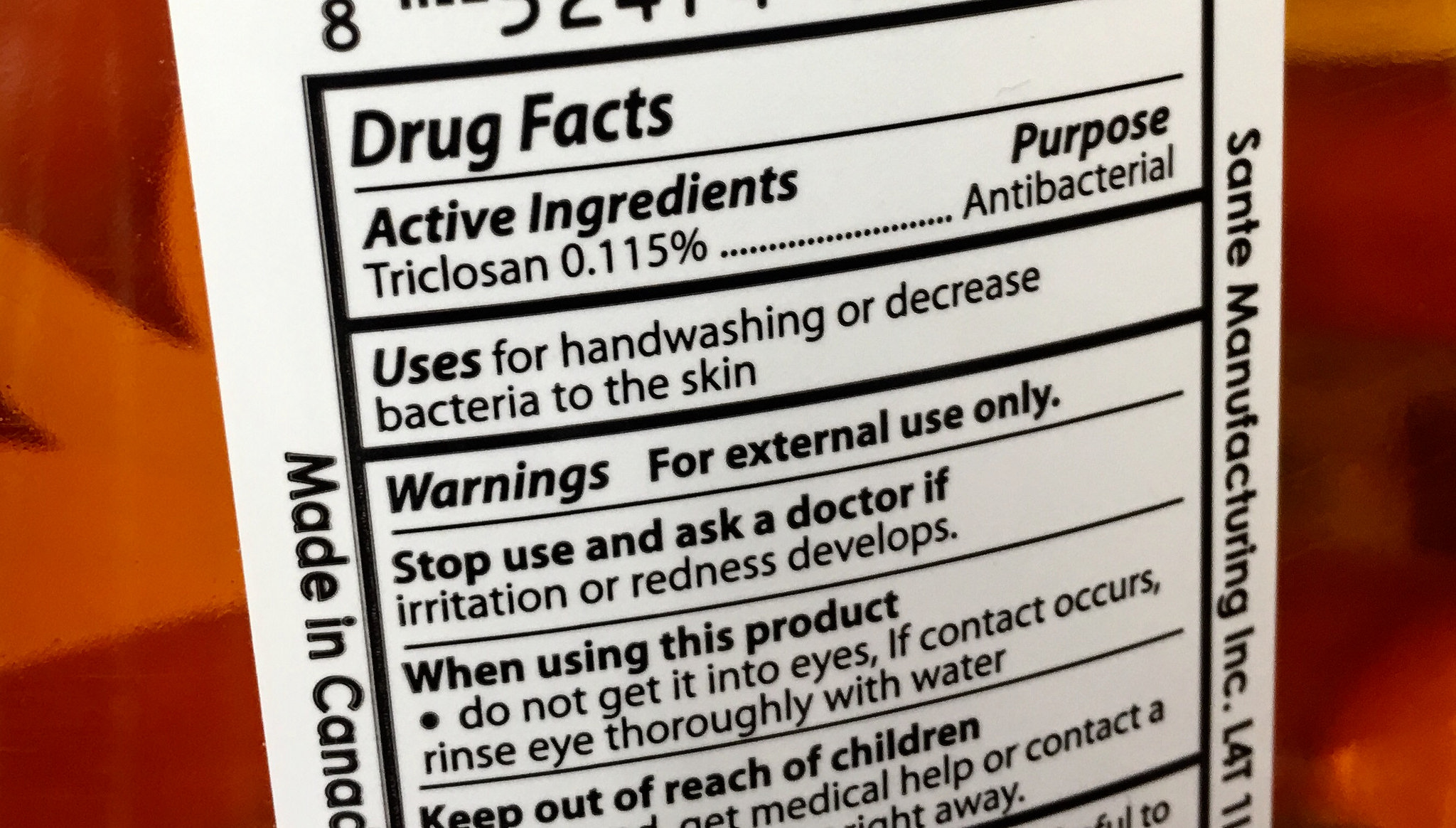
A group of more than 200 scientists and medical professionals has issued a consensus statement in the journal Environmental Health Perspectives urging that antimicrobial chemicals like triclosan and triclocarban should not be used in consumer products.  The experts say that these substances offer no health benefits and are actually causing health and environmental harm.

[Read more…] about Doing More Harm Than Good

Primary Sidebar

Recent Episodes

  • An uninsurable future
  • Clean energy and jobs
  • Insect declines in remote regions
  • Fossil fuel producing nations ignoring climate goals
  • Trouble for clownfishes

WAMC Northeast Public Radio

WAMC/Northeast Public Radio is a regional public radio network serving parts of seven northeastern states (more...)

Copyright © 2026 ·