• Skip to primary navigation
  • Skip to main content
  • Skip to primary sidebar

Earth Wise

A look at our changing environment.

  • Home
  • About Earth Wise
  • Where to Listen
  • All Articles
  • Show Search
Hide Search
You are here: Home / Archives for bodies

bodies

Removing microplastics from water

April 23, 2025 By EarthWise Leave a Comment

A new way to remove microplastics from water

Microplastics come from the breakdown of larger plastics in the environment as well as from direct use in various products such as certain cosmetics.  They are found everywhere, from oceans and mountain peaks to the air and water, and alarmingly, in our bodies.  They are ingested by all sorts of organisms, from tiny plankton to fish and marine mammals.  Microplastics just don’t go away.  They don’t biodegrade so they simply accumulate in the environment.

Researchers at North Carolina State University have recently demonstrated proof of concept for a system that actively removes microplastics from water.  Such a system has the potential for helping to cleanse oceans and other bodies of water from the tiny plastic particles.

The system makes use of soft dendritic colloids, which are tiny particles that have the ability to stick to just about any surface.  These sticky particles can attract microplastics and grab them, even in wet and salty conditions.  The colloids are made from chitosan, a harmless and biodegradable polymer made from processed shellfish waste.

The researchers produced small pellets of the colloids that also contain small amounts of magnesium, which makes them bubble up and rise to the surface of water.  The pellets are coated with a gelatin layer, which blocks the magnesium.  As the gelatin gradually dissolves away, the pellets collect microplastics.  Eventually, the result is a microplastic-laden scum that rises to the surface where it can be skimmed away.

The scum itself can be bioprocessed into more chitosan that can create more of these microcleaner pellets to then capture more microplastics.  The researchers are investigating how the process can be scaled up to become a valuable tool in dealing with the microplastics problem.

**********

Web Links

New Water Microcleaners Self-Disperse, Capture Microplastics and Float Up for Removal

Photo, posted January 17, 2018, courtesy of Bo Eide via Flickr.

Earth Wise is a production of WAMC Northeast Public Radio

Microplastics and antibiotic resistance

April 14, 2025 By EarthWise Leave a Comment

Microplastics are a real problem.  They are pretty much everywhere.  They are in our food, in the oceans, on mountains, up in the clouds, and most alarmingly, in our bodies.  All of that is already bad news, but researchers at Boston University have found that microplastics may also be contributing to antibiotic resistance in dangerous bacteria.

The researchers observed that bacteria exposed to microplastics become resistant to multiple types of antibiotics commonly used to treat infections.  Bacteria can become resistant to antibiotics for a number of reasons, including misuse and overprescribing of medications.  However, a major factor influencing antibiotic resistance is the microenvironment – the immediate surroundings of a microbe – which is where bacteria and viruses replicate.

The Boston University study tested how the common bacterium E. coli reacted to being in a closed environment with microplastics.  The plastics provide a surface that the bacteria can attach to and colonize.  When attached to a surface, bacteria create a sticky substance called a biofilm that acts like a shield, protecting the bacteria and keeping them affixed securely.  The tests showed that microplastics supercharged the biofilms so much that when antibiotics were introduced, they were unable to penetrate the shield.

Microplastics are everywhere, but they are especially prevalent in impoverished places where sanitation may be limited.  Refugees, asylum seekers, and forcibly displaced populations are already at increased risk of contracting drug-resistant infections.  The prevalence of microplastics adds another risk to the already difficult lives of these people.

**********

Web Links

Microplastics Could Be Fueling Antibiotic Resistance, BU Study Finds

Photo, posted May 15, 2021, courtesy of Felton Davis via Flickr.

Earth Wise is a production of WAMC Northeast Public Radio
Mercury in tuna

March 25, 2024 By EarthWise Leave a Comment

Mercury in tuna still a lingering issue

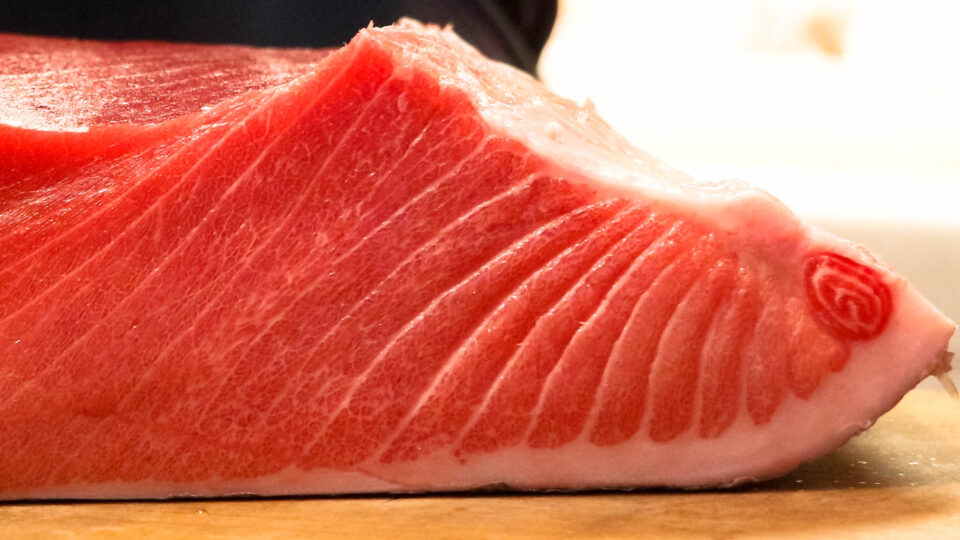
Mercury is found throughout the ocean, and there is at least some of it in any fish one might eat. It is an element found naturally in the environment, but it is also a byproduct of manmade pollution. Generally speaking, bigger fish tend to have higher mercury levels than smaller ones, because they are higher up in the food chain. The more small fish those big fish eat, the more mercury builds up in their bodies.  Tuna aren’t the biggest fish in the ocean, but they are very common in many people’s diets.

Increased mercury levels are a result of human activities like burning coal and mining which release methylmercury into the air.  It then finds its way into the oceans in rainwater.  Methylmercury is a particularly toxic chemical that affects the nervous system.  Environmental protection policies in recent decades have helped to reduce mercury pollution.

However, a recent study by French researchers looked at the mercury levels in tuna over the past 50 years.  They found that the levels have basically not changed since 1971.  As a result, they are calling for more restrictive environmental policies to further lower mercury pollution levels.

The researchers explained that the lowering of mercury airborne levels to date has not necessarily been ineffective.  They theorized that the static levels in tuna may be caused by the upward mixing of “legacy” mercury from deeper ocean water into the shallower depths where tropical tuna swim and feed.  It could very well take decades to dramatically reduce ocean mercury levels. 

Meanwhile, mercury content in tuna varies considerably by tuna type and source and there are both better and worse choices out there.  Consumers should learn the facts.

**********

Web Links

Mercury levels in tuna remain nearly unchanged since 1971, study says

Photo, posted November 7, 2015, courtesy of Mussi Katz via Flickr.

Earth Wise is a production of WAMC Northeast Public Radio
Too hot for people

November 22, 2023 By EarthWise Leave a Comment

Climate change may make some regions too hot for people

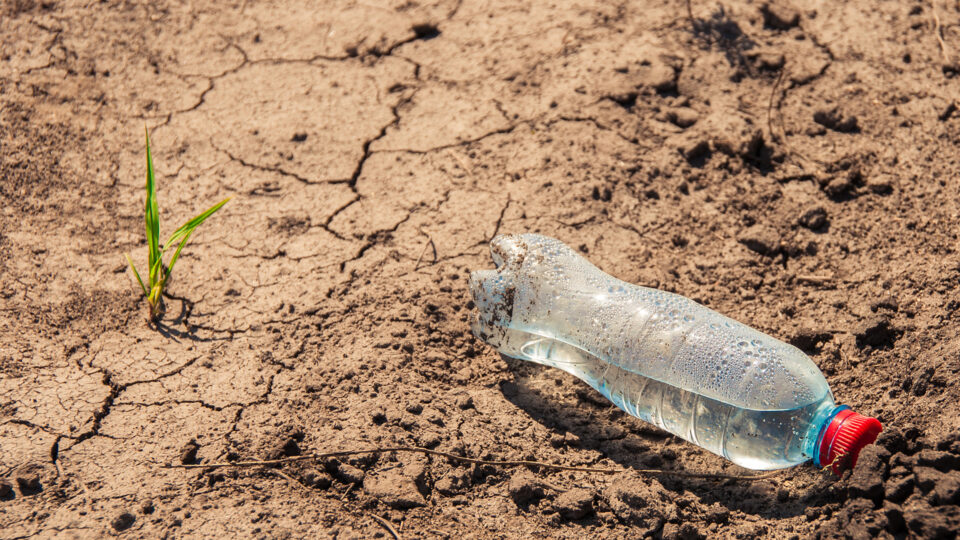
The effort to mitigate the effects of climate change has a goal of keeping the global temperature increase below 1.5 degrees Celsius above preindustrial levels.  To date, the average global temperature has increased by more than 1 degree.  We hear about rising sea levels, powerful storms, and various other alterations in climate and weather patterns.  A new interdisciplinary study by three institutions looked at the impact of surpassing the 1.5-degree level upon people being able to withstand heat and humidity.

Humans can only withstand certain combinations of heat and humidity before their bodies begin to experience heat-related health problems such as heat stroke and heart attacks. 

In human history, temperatures and humidity that exceed human limits have been recorded only a limited number of times and only for a few hours at a time, in the Middle East and Southeast Asia.

According to the new study, if global temperatures increase by 2 degrees Celsius above preindustrial levels, the 2.2 billion residents of Pakistan and India’s Indus River Valley, the one billion people living in eastern China, and the 800 million residents of sub-Saharan Africa will annually experience many hours of heat surpassing human tolerance.

If the warming continues further to 3 degrees, heat and humidity levels that surpass human tolerance would affect the Eastern Seaboard and the middle of the US from Florida to New York and from Houston to Chicago.

The worst heat stress will occur in regions that are not wealthy and that are experiencing rapid population growth.  But even wealthy nations will not escape from the expansion of conditions that are too hot for people.

**********

Web Links

Climate-driven extreme heat may make parts of Earth too hot for humans

Photo, posted June 28, 2018, courtesy of Ivan via Flickr.

Earth Wise is a production of WAMC Northeast Public Radio

Shrinking Birds | Earth Wise

June 5, 2023 By EarthWise Leave a Comment

A new study by researchers at Yale University looks at the way bird morphology is changing in response to the warming climate.  As temperatures rise, birds’ bodies are growing smaller, but their wings are growing longer.

In the study, published in the Proceedings of the National Academy of Sciences, the scientists analyzed two independently collected datasets containing 40 years of morphology changes in 129 bird species comprising 52 migratory species in North America and 77 South American species.

In both datasets, similar changes were observed over the 40-year period.  The overall trend makes sense given that being smaller and having longer wings both would help birds to stay cool in warmer weather.  What was less obvious was that the changes to the birds were much greater among the smallest bird species.

One possible explanation is that smaller species tend to reproduce on a shorter time scale and therefore evolve more quickly.  However, the study found no link between generation length and the changes in body size.

Another possible explanation is that smaller species tend to have larger populations, which means there is a greater chance of having individuals with desirable new traits that can get passed on.  But the scientists found no link between population size and shifts in body size either.

At this point, it is unclear why smaller birds are shrinking more.  More research is needed to figure out why larger birds are slower to adapt to climate change.  In general, larger species of animals have an increased risk of extinction.  This new research suggests that larger body size exacerbates extinction risk by limiting the ability for birds to adapt to the changes we are making to the climate.

**********

Web Links

Birds Are Shrinking as the Climate Warms — and Small Birds Are Shrinking Faster

Photo, posted October 30, 2018, courtesy of N. Lewis / National Park Service via Flickr.

Earth Wise is a production of WAMC Northeast Public Radio
Disappearing Glaciers | Earth Wise

February 20, 2023 By EarthWise Leave a Comment

Glaciers are disappearing at a rapid rate

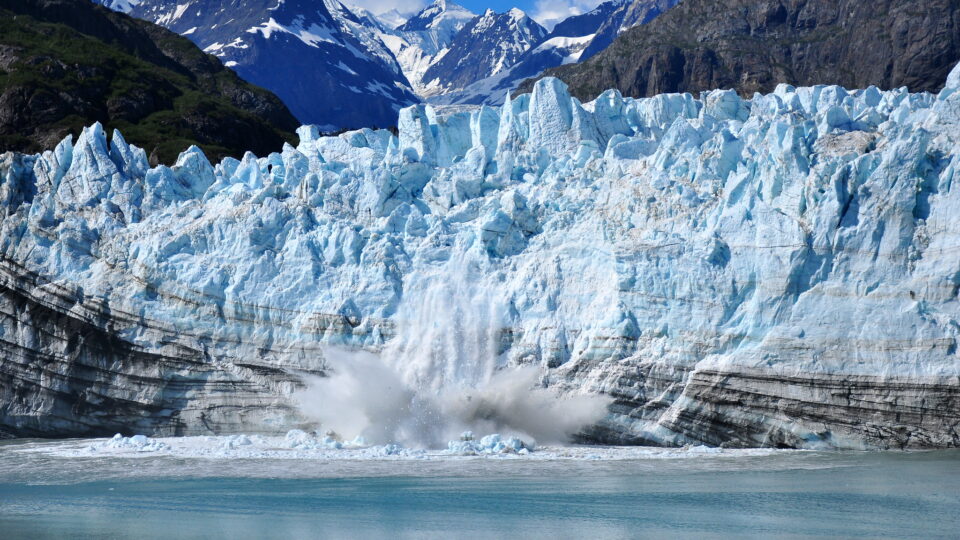
Glaciers are massive bodies of slowly moving ice.  Glaciers form on land, and represent the snows of centuries compressed over time.  They move slowly downward under the influence of their own weight and gravity. 

Most of the glaciers on the planet are found in the polar regions, including Antarctica, the Canadian Arctic, and Greenland.  Glaciers can also be found closer to the equator in mountain ranges, such as the Andes Mountain range in South America.  Glaciers are always changing, accumulating snow in the winter and losing ice to melting in the summer.  But in recent times, the melting has been outpacing the accumulation.

A new international study led by researchers at Carnegie Mellon University’s College of Engineering has produced new projections of glacier loss through the century under different emissions scenarios.  According to the projections, the world could lose as much as 41% of its total glacier mass this century – or as little as 26% – depending on climate change mitigation efforts. 

In a future with continued investments in fossil fuels (sometimes referred to as the “business as usual” scenario), more than 40% of the glacial mass will be gone by 2100, and more than 80% of glaciers by number could disappear.  Even in a best case scenario where the increase in global mean temperature is limited to 1.5° degrees Celsius relative to pre-industrial levels, more than 25% of glacial mass will be gone, and nearly 50% of glaciers by number will disappear.

Glaciers take a long time to respond to changes in climate.  A complete halt to emissions today would take anywhere from 30 to 100 years to be reflected in glacier mass loss rates.

**********

Web Links

Team projects two out of three glaciers could be lost by 2100

Ice, Snow, and Glaciers and the Water Cycle

Photo, posted August 13, 2010, courtesy of Kimberly Vardeman via Flickr.

Earth Wise is a production of WAMC Northeast Public Radio
A Better Way To Recycle Plastics | Earth Wise

November 10, 2022 By EarthWise Leave a Comment

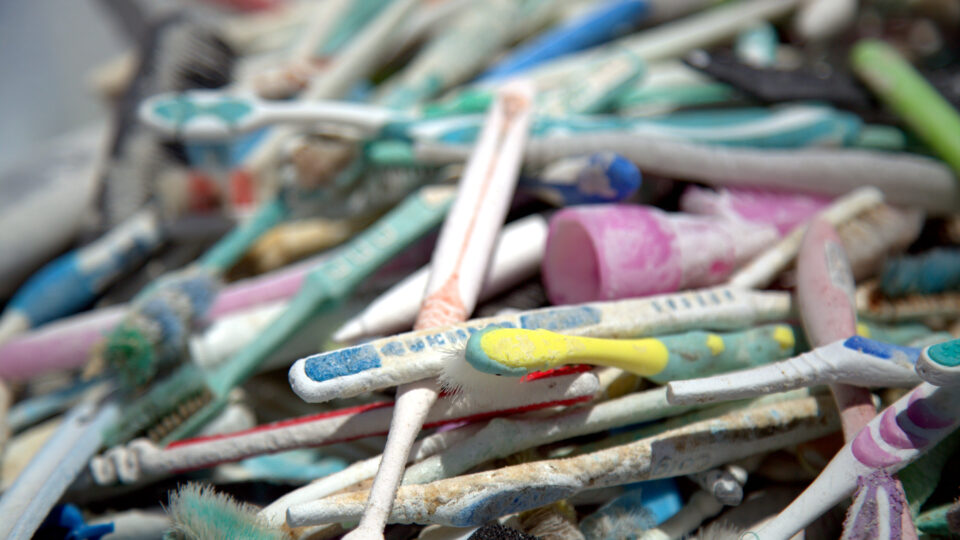
The global accumulation of plastic waste is an ever-growing problem.  At least five billion tons of the stuff has accumulated on land and sea and is even showing up in the bodies of animals and humans.  Recycling plastic instead of making even more of it seems like an essential thing to do but it has proven to be extremely challenging.

The main problem is that plastics come in many different varieties and the ways of breaking them down into a form that can be reused are very specific to each type of plastic.  Sorting plastic waste by plastic type is extremely impractical at large scale.  Certainly, most consumers can’t do it themselves.  As a result, most plastic gathered in recycling programs ends up in landfills.

New research at MIT has developed a chemical process using a catalyst based on cobalt that is very effective at breaking down a variety of plastics, including polyethylene and polypropylene, which are the two most widely produced plastics.   The MIT process breaks plastics down into propane.  Propane can be used as a fuel or as a feedstock for making many different products, including new plastics.

Plastics are hard to recycle because their long-chain molecules are very stable and difficult to break apart.  Most chemical methods for breaking their chemical bonds produce a random mix of different molecules which would somehow have to be sorted out in order to be useful for anything.

The new process uses a catalyst called a zeolite that contains cobalt nanoparticles.  The catalyst selectively breaks down various plastic polymer molecules and turns more than 80% of them into propane.

The researchers are still studying the economics and logistics of the method, but it looks quite promising.

**********

Web Links

New process could enable more efficient plastics recycling

Photo, posted April 25, 2016, courtesy of NOAA Coral Reef Ecosystem Program via Flickr.

Earth Wise is a production of WAMC Northeast Public Radio
More Plastic Pollution On The Way | Earth Wise

January 31, 2020 By EarthWise Leave a Comment

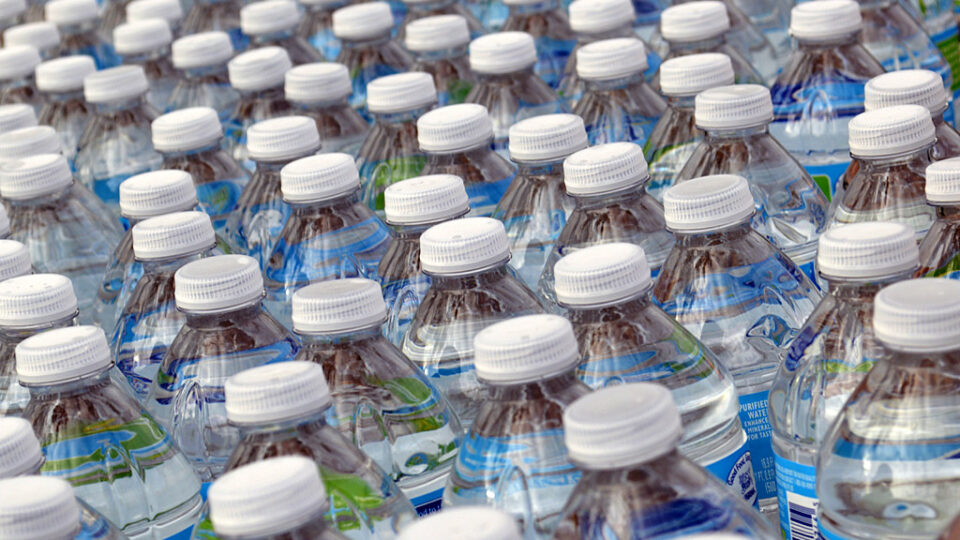
Public concern about plastic pollution has been rising.  More and more of us are choosing reusable grocery bags, metal straws, and reusable water bottles.  We shake our heads at images of immense plastic garbage patches in the ocean. We see reports of birds with 15% of their body weight in plastic.

While all of this is going on, companies like ExxonMobil, Shell, and Saudi Aramco are ramping up production of plastic – which is mostly made from oil, gas, and their byproducts.  They are doing this as a hedge against the growing possibility that the global response to climate change will reduce demand for their fuels.  Plastics are part of the category called petrochemicals, which currently account for 14% of oil use.  Petrochemicals are expected to drive half of oil demand growth over the next 30 years.

The World Economic Forum predicts plastic production will double in the next 20 years.  The fracking boom in the United States has turned this country into a big growth area for plastic production.  Natural gas prices are low which is hurting profits at fracking operations.  But fracking also unearths ethane, which is a feedstock for plastic production.  So plastic is becoming a kind of subsidy for fracking.

The American petroleum industry’s hub has historically been the Gulf Coast of Texas and Louisiana as well as a stretch along the lower Mississippi River.  There is a slew of new projects there.  The industry is also seeking to create a new plastics corridor in Ohio, Pennsylvania, and West Virginia, where fracking wells are rich in ethane.

Society in general may be increasingly concerned about the impact of things like carbon emissions and plastic pollution, but the fossil fuel industry continues to focus entirely on growth and profits.

**********

Web Links

The Plastics Pipeline: A Surge of New Production Is on the Way

Photo, posted January 10, 2015 , courtesy of Daniel Orth via Flickr.

Earth Wise is a production of WAMC Northeast Public Radio.

Cleaning Up Mount Everest

May 31, 2019 By EarthWise Leave a Comment

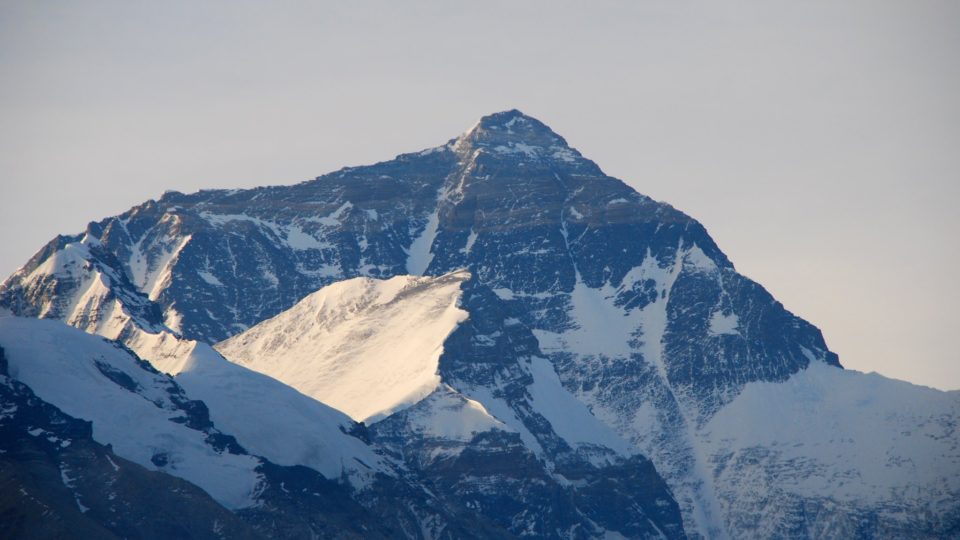
Mount Everest is the highest mountain above sea level with an elevation over 29,000 feet.  As such, it is a prime attraction for mountain climbers seeking that ultimate achievement.  The summit was first reached in 1953 and for a long time, only major expeditions by the best mountaineers sought to repeat the feat.

In recent years, climbing Everest has become much more common.  In fact, since 1953, more than 4,000 people have reached the summit of the world’s highest mountain.  A record 807 accomplished the feat last year alone.  Thousands more visit lower elevations.

But climbing Everest is neither safe nor easy.  Ice and snow, powerful winds, and generally harsh conditions make Everest a treacherous place.  Over the decades, hundreds of climbers have died on its slopes and many of their bodies are still up there.  Apart from human remains, there are decades worth of garbage left behind by hikers and tourists.

The government of Nepal has mounted an ambitious project to clean up the refuse on Mount Everest.  In just the first two weeks, volunteers removed more than three tons of trash from the mountain. Among the rubbish removed from Everest are tents, climbing equipment, bottles, cans, empty oxygen containers, and human waste.  They also discovered the bodies of four climbers that had emerged from melting snow and ice.

Helicopters carried a third of the garbage to Kathmandu for recycling.  The rest was taken to a local district for disposal in landfills.  The initial work started at Everest’s base camp.  They are next moving to sites higher on the mountain.  They hope to remove at least 10 tons of trash this year.

Nepal would like to make the world’s tallest mountain clean.

**********

Web Links

Volunteers Remove 3 Tons of Trash From Mount Everest in Two Weeks

Photo, posted May 23, 2012, courtesy of Gunther Hagleitner via Flickr.

Earth Wise is a production of WAMC Northeast Public Radio.

Primary Sidebar

Recent Episodes

  • An uninsurable future
  • Clean energy and jobs
  • Insect declines in remote regions
  • Fossil fuel producing nations ignoring climate goals
  • Trouble for clownfishes

WAMC Northeast Public Radio

WAMC/Northeast Public Radio is a regional public radio network serving parts of seven northeastern states (more...)

Copyright © 2026 ·