• Skip to primary navigation
  • Skip to main content
  • Skip to primary sidebar

Earth Wise

A look at our changing environment.

  • Home
  • About Earth Wise
  • Where to Listen
  • All Articles
  • Show Search
Hide Search
You are here: Home / Archives for billboards

billboards

Fireflies are in decline

June 10, 2024 By EarthWise 2 Comments

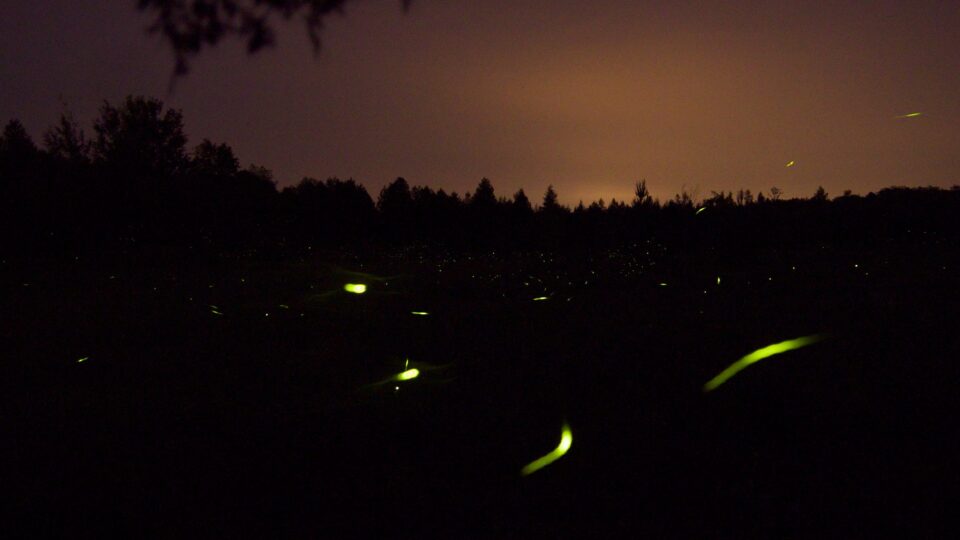
Fireflies are in decline in North America

If you are seeing fewer fireflies each year, you’re not alone.  Like many insects, firefly populations are in decline.  A new study by researchers from the University of Kentucky, Bucknell University, Penn State University, and the USDA has shed some light on the precarious situation facing firefly populations across North America. 

The research team used a mix of field surveys from citizen scientists and advanced machine learning techniques to analyze more than 24,000 surveys from the Firefly Watch citizen science initiative.  The study, which was recently published in the journal Science of the Total Environment, identified the factors likely responsible for the declines in firefly populations. 

The research team found that fireflies are sensitive to various environmental factors, from short-term weather conditions to longer climatic trends.  Fireflies thrive in temperate and tropical climates.  As global temperatures rise, these conditions become less predictable and less hospitable.

Light pollution is another threat to fireflies.  Artificial light at night – from things like street lights and billboards – is particularly disruptive to fireflies as it interferes with their bioluminescent communication essential for mating.

Urban growth, including buildings, roads, and sidewalks, poses another significant threat to fireflies by overtaking their natural habitats and decreasing available breeding areas. 

Additionally, certain agricultural practices seem to contribute to the decline of fireflies. 

According to the research team, reducing light pollution, preserving natural habitats, and implementing wildlife-friendly agricultural practices are conservation measures that could help mitigate the decline of fireflies. 

**********

Web Links

Fading lights: Comprehensive study unveils multiple threats to North America’s firefly populations

Photo, posted July 12, 2021, courtesy of Bruce Hallman/USFWS via Flickr.

Earth Wise is a production of WAMC Northeast Public Radio

Artificial Light And Nature | Earth Wise

December 4, 2020 By EarthWise Leave a Comment

Light pollution has far reaching consequences

Most of us are familiar with air pollution, water pollution, soil pollution, and noise pollution.  But it turns out that light can also be a pollutant as well. 

Light pollution is a consequence of industrial civilization.  Sources of light pollution include building interior and exterior lighting, advertising billboards, factories, commercial properties, streetlights, and sporting venues.      

According to findings in a new report from the University of Exeter, artificial nighttime lighting has a wide range of effects across the natural world and should be limited wherever possible.  The research team analyzed more than 100 studies and found that artificial lighting has widespread impacts on both animals and plants. 

In the study, which was funded by the Natural Environment Research Council in the U.K., researchers consistently found changes to animals’ bodies and behavior as a result of artificial lighting.  In particular, levels of the sleep cycle-regulating hormone melatonin were reduced by exposure to artificial lighting at night in all animal species studied. 

Exposure to artificial nighttime lighting also affected the timing of animals’ activities.  For rodents, which are largely nocturnal, the duration of activity was often reduced by exposure to nighttime lighting.  On the other hand, for diurnal birds, exposure to nighttime lighting led to an extension of the duration of their activities.  

Previous studies have found other wide-ranging impacts of nighttime lighting, from reducing pollination by insects to trees budding earlier in spring.  

Artificial nighttime lighting is human driven and very disruptive to the natural world.  While there’s no off switch for the planet, we could reduce the amount of light pollution drastically with no impact on our lives. 

**********

Web Links

Artificial night lighting has widespread impacts on nature

Photo, posted July 29, 2017, courtesy of spacedust2019 via Flickr.

Earth Wise is a production of WAMC Northeast Public Radio.

Tough Times For Fireflies | Earth Wise

March 11, 2020 By EarthWise Leave a Comment

Fireflies facing extinction

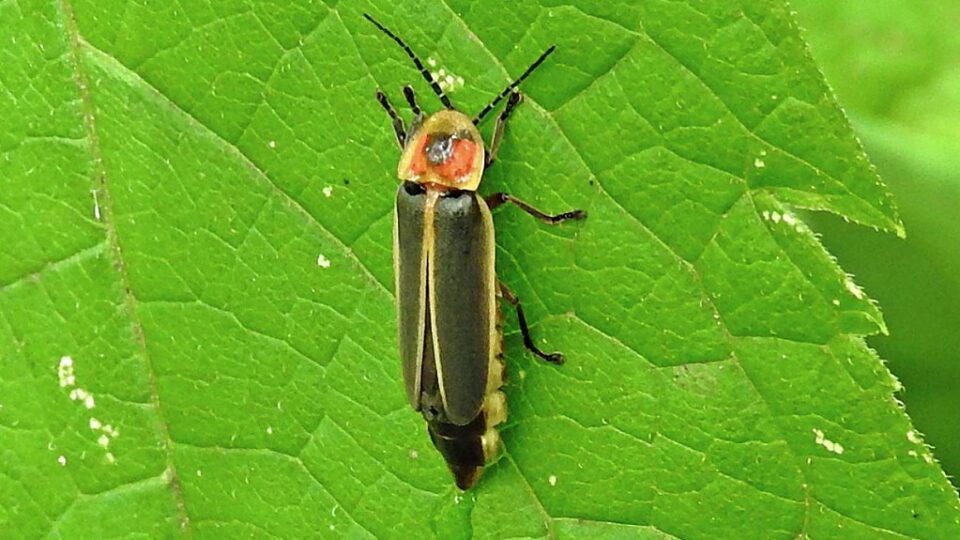
Fireflies or lightning bugs are soft-bellied beetles known widely for their use of bioluminescence – the biochemical emission of light – to communicate and to attract mates.  There are more than 2,000 species of these beetles globally.  They can be found in temperate and tropical climates, like marshes or wet, wooded areas, all throughout the world.   

But if you are seeing fewer fireflies each summer, you’re not alone.  Like many insects, firefly populations are under duress from threats like pesticides, pollution, and habitat loss.  But fireflies are also facing another threat unique to luminous bugs: light pollution.  Light pollution is making it harder for fireflies to reproduce because the artificial light is outshining their mating signals. 

Male fireflies light up to signal availability and female fireflies respond with patterned flashes to indicate they’re interested.  But artificial bright light from things like billboards, streetlights, buildings, and homes, is interfering with the fireflies reproduction communications. 

The study, by researchers at Tufts University and the IUCN, warned that these threats facing fireflies could lead them globally to extinction. 

The researchers also point to habitat loss as another major threat to fireflies.  Firefly populations are especially vulnerable because they need special conditions to complete their life cycle.  Mangrove forests and marshes around the world are being removed in favor of cash crops like palm oil.   

Insects like fireflies are crucial components of many ecosystems where they perform important functions, like aerating soil, pollinating plants, and controlling pests.  Firefly larvae feed on snails, slugs and mites, and many fireflies are effective pollinators. 

We can’t afford for fireflies to go dark. 

**********

Web Links

A Global Perspective on Firefly Extinction Threats

Fireflies Have a Mating Problem: The Lights Are Always On

Photo, posted June 5, 2010, courtesy of Matt MacGillivray via Flickr.

Earth Wise is a production of WAMC Northeast Public Radio.

Primary Sidebar

Recent Episodes

  • An uninsurable future
  • Clean energy and jobs
  • Insect declines in remote regions
  • Fossil fuel producing nations ignoring climate goals
  • Trouble for clownfishes

WAMC Northeast Public Radio

WAMC/Northeast Public Radio is a regional public radio network serving parts of seven northeastern states (more...)

Copyright © 2026 ·