• Skip to primary navigation
  • Skip to main content
  • Skip to primary sidebar

Earth Wise

A look at our changing environment.

  • Home
  • About Earth Wise
  • Where to Listen
  • All Articles
  • Show Search
Hide Search
You are here: Home / Archives for backup

backup

Giant batteries in the Earth

December 23, 2024 By EarthWise 1 Comment

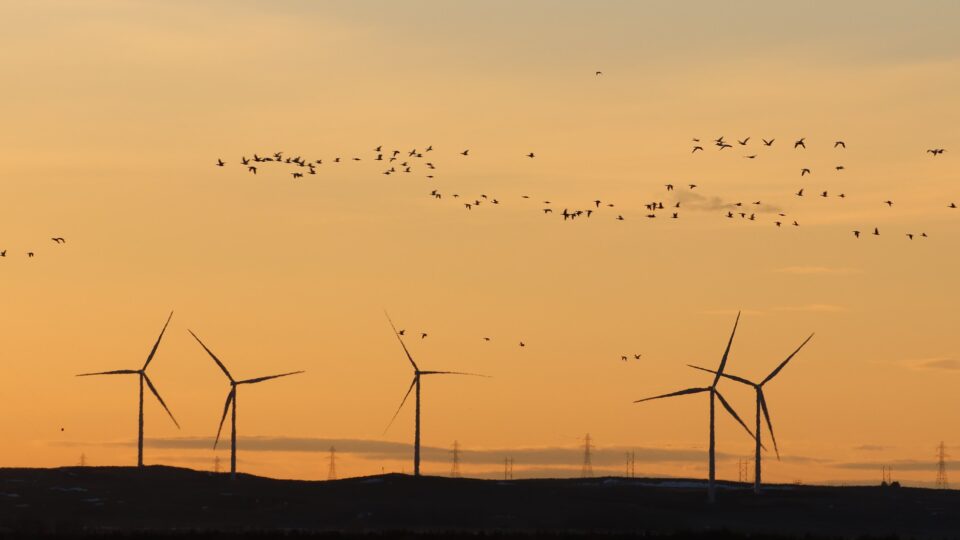
The wind and the sun are inexhaustible sources of energy, and we are tapping into them to produce electricity at a growing rate around the world.  But neither of them is always available when we need them.  When the sun isn’t shining and the wind isn’t blowing, they don’t work.

An opposite problem also exists.  When our energy needs are low, but it is sunny or windy, solar and wind power are all dressed up with nowhere to go.  Energy storage is the answer to both of these problems.   When there is excess generation, store the energy for later use.  When there is need for energy and not enough is being generated, tap into the energy that is stored.

Giant banks of lithium-ion batteries are the rapidly growing form of energy storage, and they are increasingly providing resilience in the electric grid.  But battery storage is short-term energy storage.  Even the largest battery banks can only provide a few hours of electricity. 

So, there is a real need for “long-duration energy storage” – systems that provide at least 10 hours of backup power and sometimes much more – for the grid to be fully reliable.

Pumped hydro storage, which uses water from elevated reservoirs to drive turbines, has been around for a long time.  Historically, this is the largest form of energy storage in the world.  Other methods include pumping compressed air into underground caverns or lifting massive blocks into elevated positions.  All of these techniques use excess electricity to place things like water, air, or cement into a position where they can be used to drive electrical generators.

The grid of tomorrow will store energy in giant battery banks, but also in the ground, in reservoirs, and in large structures.

**********

Web Links

How giant ‘batteries’ in the Earth could slash your electricity bills

Photo, posted March 21, 2024, courtesy of Sandra Uecker/USFWS via Flickr.

Earth Wise is a production of WAMC Northeast Public Radio
Keeping The Keeling Curve Going | Earth Wise

March 21, 2023 By EarthWise Leave a Comment

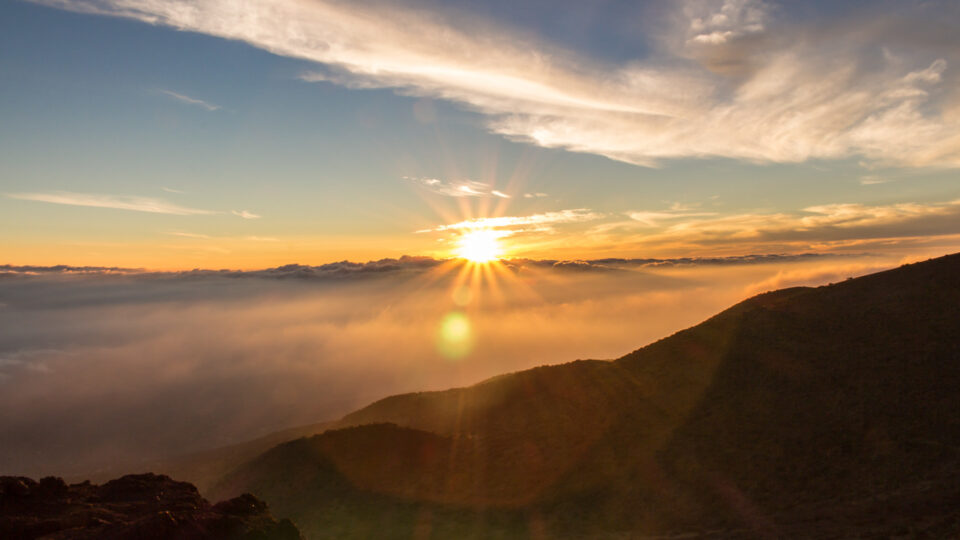
The world’s longest-running record of direct readings of carbon dioxide levels in the atmosphere is the Keeling Curve, measurements taken at the summit of Mauna Loa in Hawaii.  The readings have been going on with almost no interruption since Charles Keeling began taking them in the 1950s.  But the eruption of Mauna Loa last November toppled power lines at the mountaintop observatory and buried a mile of the main road up the mountain in lava.

Scientists have been scrambling to resume measurements and the near-term solution has been to take them, for the first time, on Mauna Kea, the neighboring large volcano about 25 miles away.  The National Oceanic and Atmospheric Administration flew in and installed instruments at the Mauna Kea observatory so that only about a week went by without measurements.   It happened so quickly because months earlier, NOAA had already started looking into installing a backup site on Mauna Kea where there is an observatory run by the University of Hawaii.

NOAA used helicopters to install solar panels and batteries on Mauna Loa to restore power in the short term since it will be months before a new road can be built on the still-cooling lava. The plan is to collect parallel measurements for a year to see if Mauna Kea, which hasn’t erupted for thousands of years, might become a long-term backup for Mauna Loa.

The Hawaiian volcanoes are uniquely suited for the measurements because they are surrounded by thousands of miles of empty ocean and are very high up, away from towns, cars, and forests.  Scientists are now monitoring measurements from the two sites to see how they compare.

**********

Web Links

Battling Lava and Snowstorms, 2.5 Miles Above the Pacific

Photo, posted November 2, 2015, courtesy of Neal Simpson via Flickr.

Earth Wise is a production of WAMC Northeast Public Radio
Massachusetts And Energy Policy | Earth Wise

August 4, 2020 By EarthWise Leave a Comment

Massachusetts and clean energy

The transition to a renewables-based energy future continues to accelerate, but there are still many forces that can slow it down.  Government policy has a major role to play.  At the moment, the federal government is trying to prop up the fossil fuel industry with financial incentives and rampant deregulation.  So more than ever, innovative policies at the state level are essential drivers for revolutionizing the energy system.

One state where policy is trying to make a big difference is Massachusetts, which has created the Clean Peak Energy Standard or CPS, finalized and approved in late March and now taking effect.   A clean peak standard is a regulatory tool to reduce the costs and environmental impact of periods when electricity demand is highest, and generation tends to be the most polluting.  The CPS requires electric retailers to procure a minimum percentage of their annual electricity sales from renewable generation or energy storage.  That minimum amount will increase each year.

The CPS is formulated to incentivize better utilization of clean energy technologies to supply power when energy demand is high.  The problem is that there are times when the sun is not shining and the wind isn’t blowing, but energy demand is at its highest.  The solution is to use energy storage technologies that can supply power when it is needed.  Furthermore, storage can be relied upon during times of extreme weather that cause power outages.

Massachusetts has already started using energy storage in its grid.  The small town of Sterling installed an energy storage system in 2016 that provides crucial backup power to the police station and emergency dispatch center, thereby keeping first responder operations running even during extended power outages.

**********

Web Links

Massachusetts is setting the benchmark for nationwide clean energy transformation

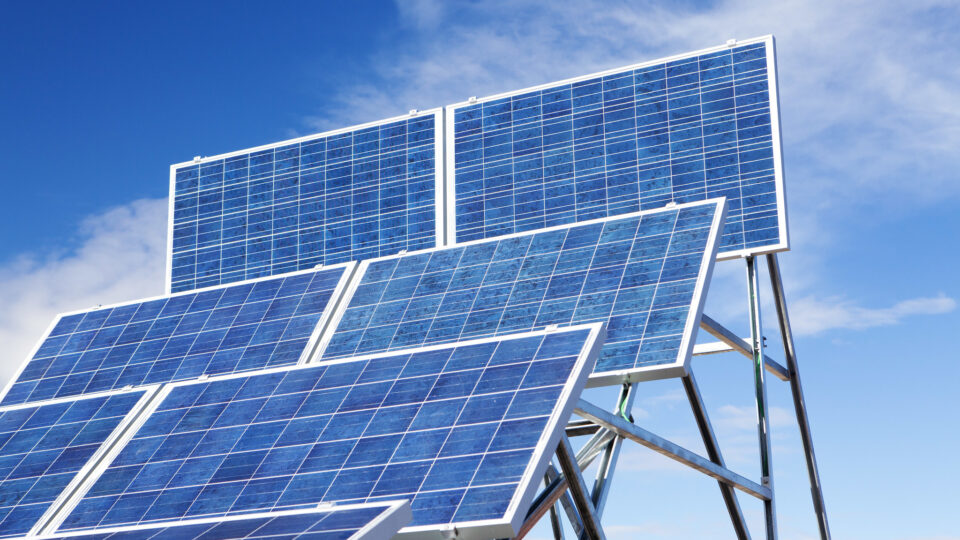
Photo, posted March 30, 2012, courtesy of Flickr.

Earth Wise is a production of WAMC Northeast Public Radio.

Primary Sidebar

Recent Episodes

  • An uninsurable future
  • Clean energy and jobs
  • Insect declines in remote regions
  • Fossil fuel producing nations ignoring climate goals
  • Trouble for clownfishes

WAMC Northeast Public Radio

WAMC/Northeast Public Radio is a regional public radio network serving parts of seven northeastern states (more...)

Copyright © 2026 ·