
• Skip to primary navigation
  • Skip to main content
  • Skip to primary sidebar

Earth Wise

A look at our changing environment.

  • Home
  • About Earth Wise
  • Where to Listen
  • All Articles
  • Show Search
Hide Search
You are here: Home / Archives for asteroid strikes

asteroid strikes

The Sixth Mass Extinction | Earth Wise

February 16, 2022 By EarthWise Leave a Comment

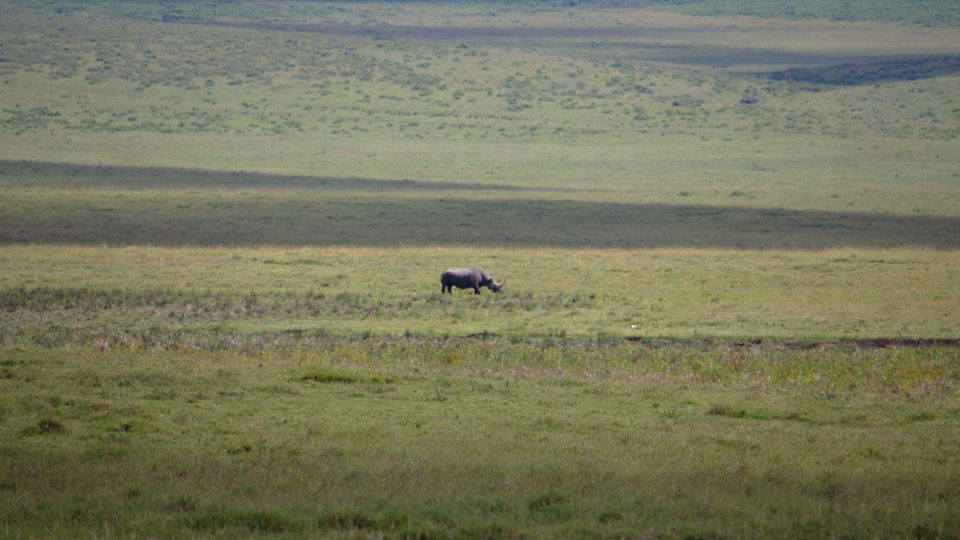
Human activities are driving the planet's sixth mass extinction

Extinction is a natural part of life.  Plants and animals disappear all the time.  When one species goes extinct, its place in the ecosystem is typically filled by another.  The so-called normal rate of extinction is thought to be somewhere between 0.1 and 1 species per 10,000 species per 100 years.

A mass extinction event is when species disappear at a much faster clip than they can be replaced.  By definition, mass extinction is when about three-quarters of the world’s species are lost in a short amount of time on a geologic scale, which is measured in millions of years.  

There have been five previous mass extinction events throughout the history of life on earth.  Today, many experts warn that a sixth mass extinction event is already underway – the first since dinosaurs were wiped out some 65 million years ago.  While previous mass extinctions were the result of extreme natural phenomena like volcanic eruptions and asteroid strikes, this one is a result of human activities. 

Researchers from the University of Hawai’i at Manoa and the National Museum of Natural History in France recently published a comprehensive assessment of evidence of this ongoing extinction event.  The researchers estimated that since the year 1500, Earth could already have lost between 7.5% and 13% of the two million known species on Earth.  This amounts to a staggering 150,000 to 260,000 species.

While mitigating the effects of climate change and reducing the rates of habitat loss would help, raising awareness of this crisis and its fallout for all life forms – including us – would be most effective in driving change. 

The time we have to avoid dramatic consequences is rapidly running out. 

**********

Web Links

Strong evidence shows Sixth Mass Extinction of global biodiversity in progress

Photo, posted September 18, 2015, courtesy of Tony Webster via Flickr.

Earth Wise is a production of WAMC Northeast Public Radio.
Earth Day

April 22, 2019 By EarthWise Leave a Comment

Today is Earth Day.  On April 22, 1970, millions of Americas took to the streets in peaceful demonstrations in favor of environmental reform.  Since that first time, Earth Day has now become a global event each year.  Estimates are that as many as a billion people in 192 countries take part in Earth Day events.

This year, the theme for Earth Day is “Protect our Species.”  The focus is on the fact that the world is facing the greatest rate of extinction since the demise of the dinosaurs more than 60 million years ago.

But unlike the extinctions from that time that were linked to so-called acts of god like asteroid collisions, the rapid extinction of species in our world today is mostly the result of human activity.

The global destruction and rapid reduction of plant and wildlife populations are directly linked to climate change, deforestation, habitat loss, trafficking and poaching, unsustainable agriculture, pollution, and pesticides.

In order to stem the tide of destruction, the Earth Day Network is asking people to help raise awareness about the accelerating rate of extinction of millions of species and the causes and consequences of this phenomenon.  We need to push for the creation of policies that protect broad groups of species as well as individual species and their habitats.  There needs to be a global movement that embraces nature and its values. And we need to eat less meat and curtail the use of pesticides and herbicides.

We share the planet with many species, and we need them to be here in order to sustain our own species.  Something to remember on Earth Day 2019.

**********

Web Links

Earth Day Network

Photo, posted January 24, 2012, courtesy of Jonas Bengtsson via Flickr.

Earth Wise is a production of WAMC Northeast Public Radio.

Primary Sidebar

Recent Episodes

  • An uninsurable future
  • Clean energy and jobs
  • Insect declines in remote regions
  • Fossil fuel producing nations ignoring climate goals
  • Trouble for clownfishes

WAMC Northeast Public Radio

WAMC/Northeast Public Radio is a regional public radio network serving parts of seven northeastern states (more...)

Copyright © 2026 ·