• Skip to primary navigation
  • Skip to main content
  • Skip to primary sidebar

Earth Wise

A look at our changing environment.

  • Home
  • About Earth Wise
  • Where to Listen
  • All Articles
  • Show Search
Hide Search
You are here: Home / Archives for 2001

2001

Abandoned farmland and the environment

September 4, 2025 By EarthWise Leave a Comment

Abandoned farmland has been increasing dramatically in recent decades.  Estimates are that a billion acres – an area half the size of Australia – have been relinquished from cultivation globally.  While more and more of the tropics have been cultivated in recent times, the global amount of land used for agriculture has been in decline since 2001.  In the past 30 years, arable land in the United States has declined by almost a sixth.  The situation in Europe is similar.  Huge amounts of the former Soviet Union now lie abandoned. 

Farmland is abandoned for various reasons.  It may suffer from damaged soil so that crop yields are too low to be worth the effort.  Farm owners may become too old or be physically unable to continue farming.  Many younger people head for jobs in the cities and more attractive opportunities.  Wars, natural and man-made disasters, and political turmoil have all contributed.

Another form of largely ignored lands are so-called degraded forests.  These are forests that were logged in the past but are no longer productive and aren’t protected either.  These places also represent unused land with great potential value.

Ecologists point to the potential of these lands as neglected resources for rewilding efforts, improving biodiversity, and for increasing natural ways to capture carbon.  Left to its own devices, nature will usually reclaim abandoned places.  This generally provides benefits for biodiversity and climate.  But mapping, studying, managing, and protecting the increasingly vast tracts of abandoned land could increase their potential to contribute to climate change mitigation and the restoration of species and their habitats.

**********

Web Links

Abandoned Lands: A Hidden Resource for Restoring Biodiversity

Photo, posted January 26, 2023, courtesy of Larry Syverson via Flickr.

Earth Wise is a production of WAMC Northeast Public Radio
More wind power than coal power

September 12, 2024 By EarthWise Leave a Comment

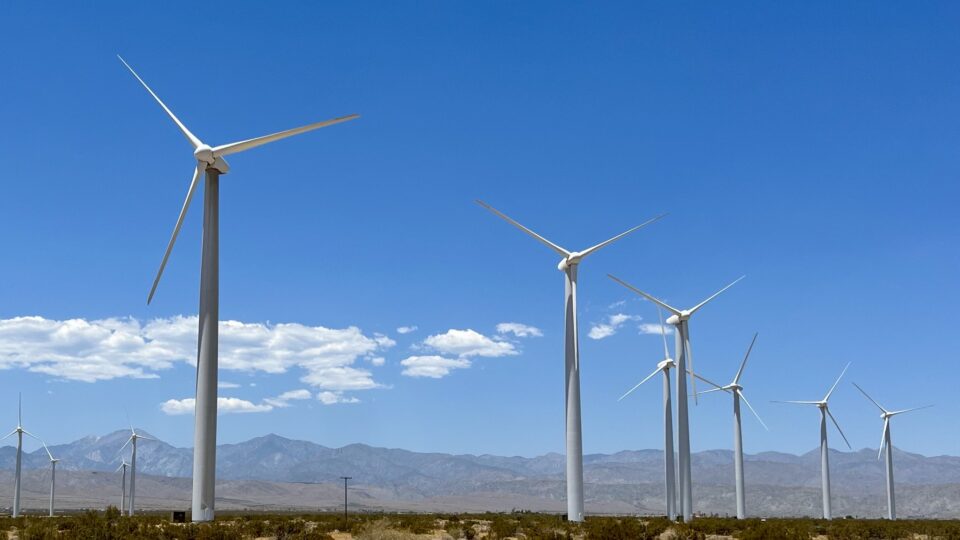
Wind power is starting to beat out coal in the United States

The U.S. used to get more of its electricity from burning coal than by any other means.  It wasn’t all that long ago; coal produced 51% of our electricity in 2001. But as of 2022, it was less than 20%.

In March and April, the U.S. generated more electricity from wind power than from coal.  This was the first time that wind outstripped coal for two consecutive months.

This crossover between wind and coal power is just another milestone in the energy transition to renewable energy sources.  Renewables collectively produce more electricity than coal and their share is steadily growing.  The explosive growth in renewable energy is primarily the result of three factors:  federal tax credits, state energy mandates away from fossil fuels, and, most importantly, shifts in the economics of energy.  Breakthroughs in technology and economies of scale have lowered the cost of building new wind turbines, solar panels, and battery storage. 

Coal plants have retired at a rapid pace over the past 25 years.  During that time, natural gas capacity has nearly tripled.   Gas began to replace coal starting around 2005 when the fracking boom led to the availability of large quantities of cheap natural gas. Because of this, fossil fuels are still the largest source of electricity generation in the U.S., but that is not likely to be the case for very long.

Analysts expect that wind energy will grow to provide about 35% of the country’s electricity by 2050.  The Department of Energy predicts that solar power will produce 45% of U.S. electricity by that year.

**********

Web Links

Wind Beat Coal Two Months in a Row for U.S. Electricity Generation

Photo, posted August 5, 2024, courtesy of Samir Luther via Flickr.

Earth Wise is a production of WAMC Northeast Public Radio
Where do states get their electricity?

September 3, 2024 By EarthWise Leave a Comment

Exploring how states produce their electricity

How the United States produces its electricity has changed dramatically over the past few decades.  Coal used to be the dominant source of power in this country, but natural gas surpassed it in 2016, and coal’s share has been shrinking ever since.  Fossil fuel still generates the majority of America’s electricity, but renewable power is increasing its contribution all the time.

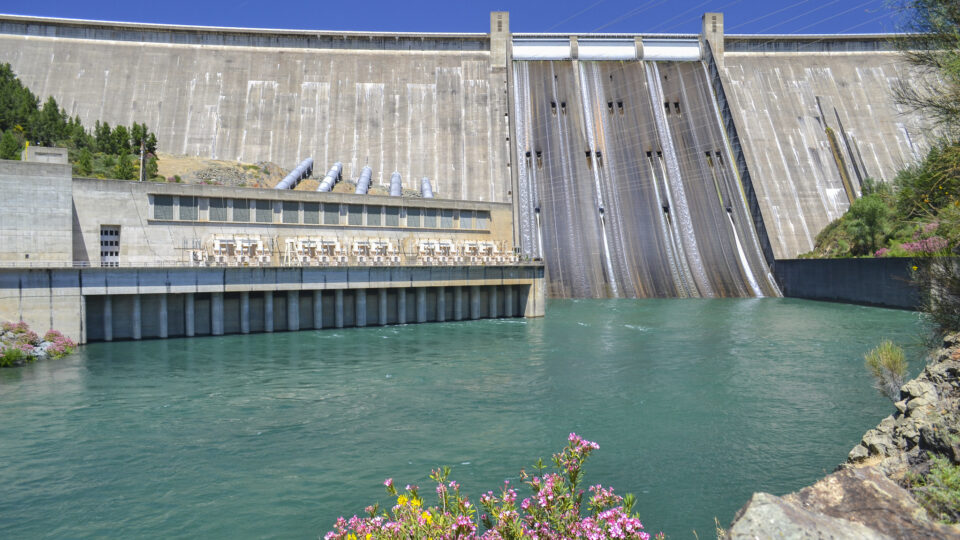
On a state-by-state basis, there are very large variations in the mix of power sources.  Ten states still get their largest amount of power from coal, but this is down from 32 states in 2001.  Four states have hydroelectric power as their largest source, including Vermont which gets more than half of its power that way. 

Texas produces more electricity than any other state by a wide margin.  It’s not just because it has a large population. It is because it uses huge amounts of power to refine petroleum products.  Coal produces only 13% of Texas’ electricity and the state is by far the country’s largest producer of wind power.

New York gets nearly half of its power from natural gas, 21% from hydroelectric power, and 21% from nuclear power.  Wind and solar power are still small, but both are growing in the state.

When people try to assess the climate impact of driving electric cars, based on the origins of the electricity they use to power the car, the results can vary dramatically based on what state they live in.  Nationwide, electricity is getting cleaner and greener, but the process is by no means uniform across the country.

**********

Web Links

How Does Your State Make Electricity?

Photo, posted March 17, 2021, courtesy of Bureau of Reclamation via Flickr.

Earth Wise is a production of WAMC Northeast Public Radio

Primary Sidebar

Recent Episodes

  • An uninsurable future
  • Clean energy and jobs
  • Insect declines in remote regions
  • Fossil fuel producing nations ignoring climate goals
  • Trouble for clownfishes

WAMC Northeast Public Radio

WAMC/Northeast Public Radio is a regional public radio network serving parts of seven northeastern states (more...)

Copyright © 2026 ·