No one likes pests: mosquitoes at your barbeque, termites in your basement, caterpillars on your garden vegetables and field crops. During the past 70 years, the chemical industry has developed an arsenal of chemicals designed to eliminate pests.
Most pesticides kill pests by interfering with their physiology. Since many organisms share a common physiology, it’s not surprising that there are often collateral damages to non-target species. Listeners are likely familiar with the controversy surrounding DDT. Now, neonicotinoid insecticides are under scrutiny, with billions of profits at stake if they are outlawed.
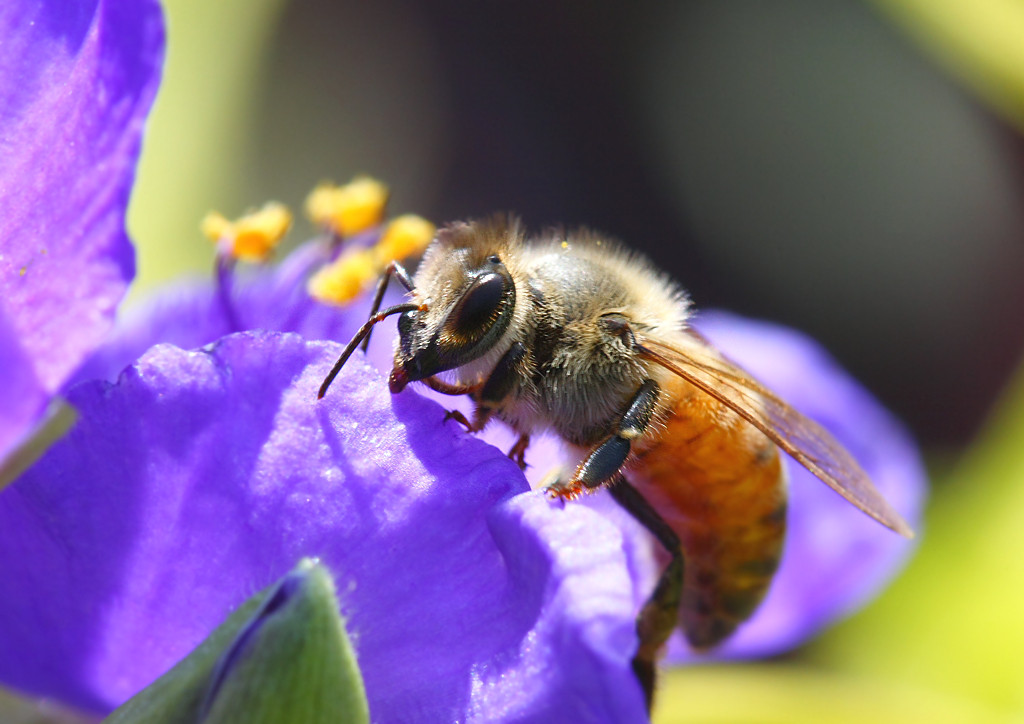
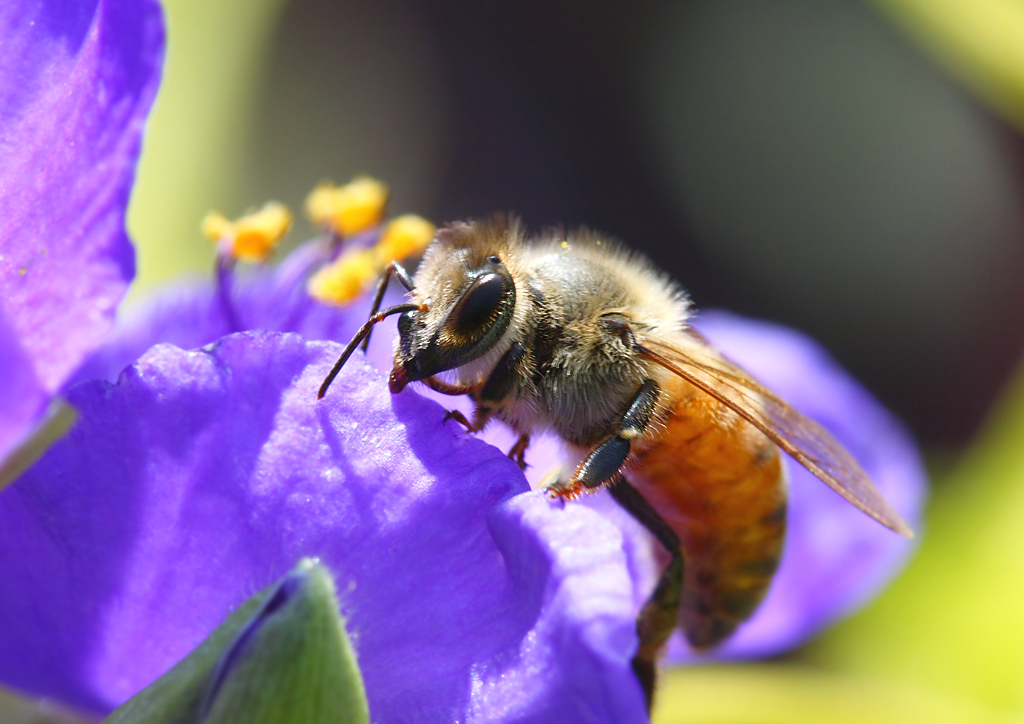
Neonicotinoids protect cereals and other crops from insect attack. They are used on an estimated 95% of U.S. corn crops, covering more than 95 million acres. Unfortunately, they have been implicated in the decline of bees. Insect pollinators are essential to the production of crops like almonds, apples, tomatoes, and blueberries, accounting for an estimated $15 billion in profits each year.
When neonicotinoids are used to coat seeds, the pesticide is found at low levels throughout the ‘protected’ plant as it grows. Studies have found that the density and number of wild bees declines near crops grown from neonicotinoid-treated seeds. This correlation is deeply concerning.
Recently, the Obama administration recommended further study of the problem and the planting of 7 million acres of wildflowers maintain U.S. bee populations. This is likely insufficient.
Meeting the challenge of feeding 7+ billion people globally will require going beyond an escalating war among pesticides, resistant insects, corporate profits, and collateral damage.
**********
—This segment was adapted from an essay by Dr. William H. Schlesinger. You can read the original piece on his blog Citizen Scientist.
.
Web Links
Seed coating with a neonicotinoid insecticide negatively affects wild bees
Photo, posted July 1, 2008, courtesy of Paul Stein via Flickr.
.
Earth Wise is a production of WAMC Northeast Public Radio, with script contribution from the Cary Institute of Ecosystem Studies.