The month of May brings many things, among them Mother’s Day, tulips, and Lyme Disease Awareness campaigns. But according to Rick Ostfeld, a disease ecologist at the Cary Institute of Ecosystem Studies, if we want to get a leg up on tick-borne illness we need to become vigilant earlier in the season.
In New York State, the blacklegged ticks that carry Lyme disease and other pathogens are already active in April. Looking at more than two decades of monitoring work, Ostfeld and his colleagues found that climate warming is leading to earlier spring feeding by nymphal ticks, sometimes by as much as three weeks.
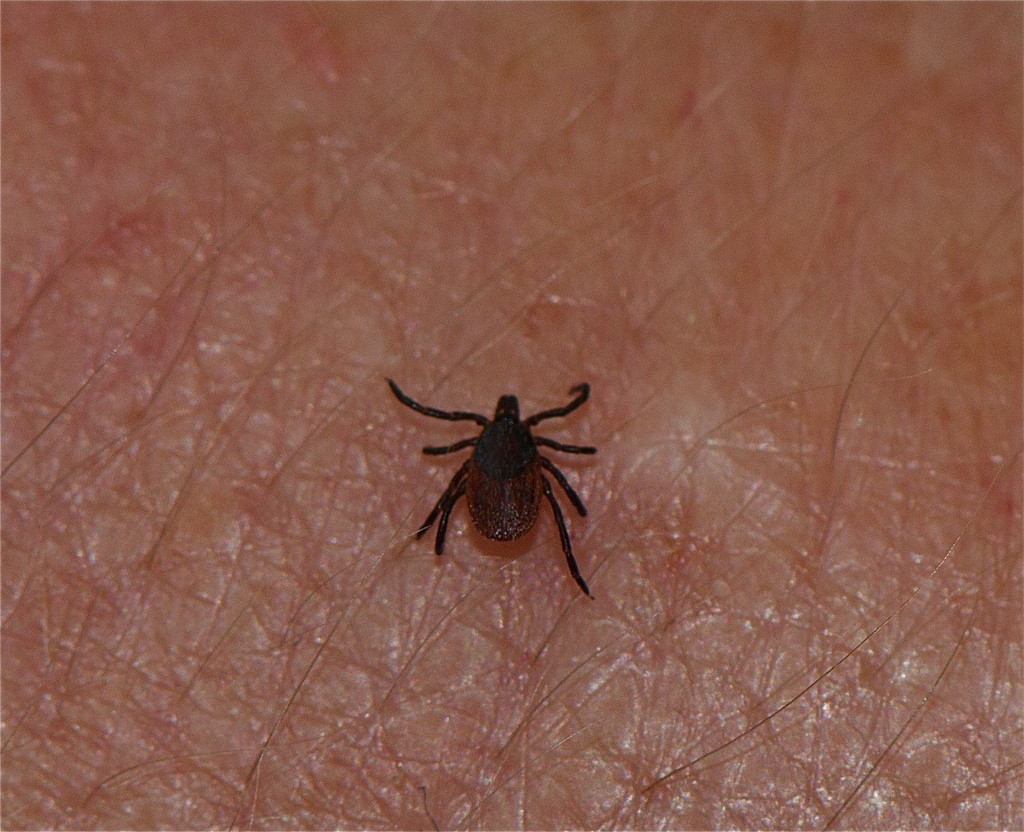
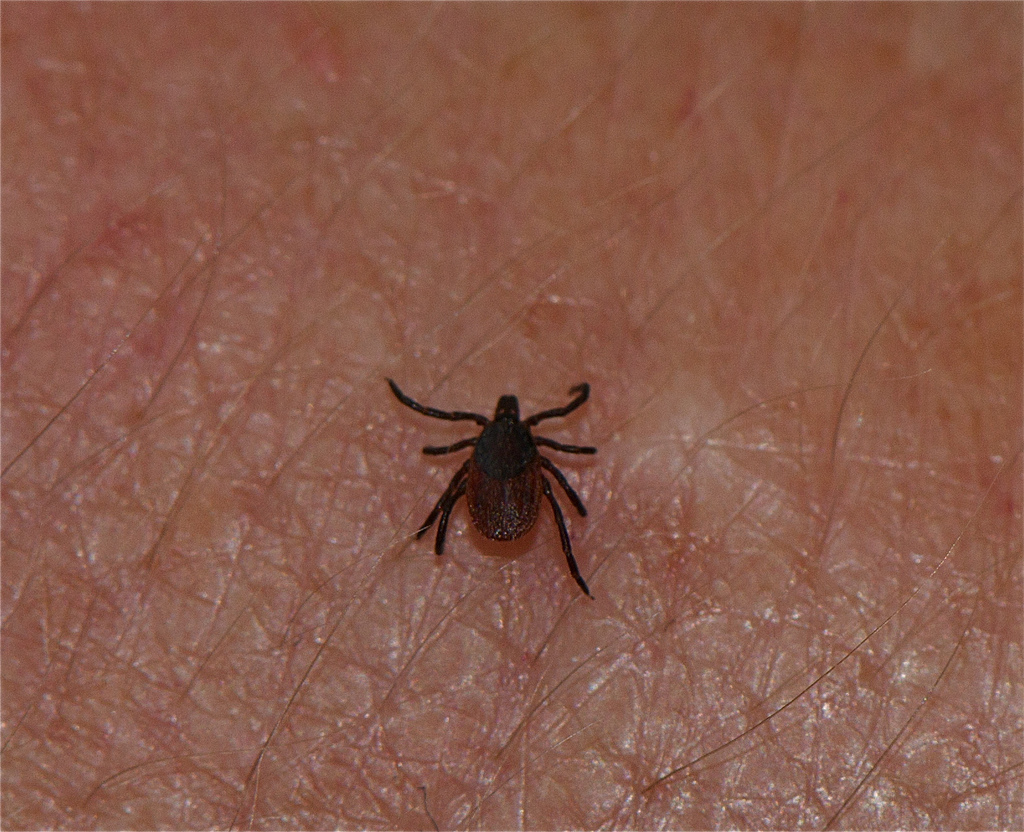
Paying attention to nymphal tick activity is essential to protecting public health. This tick life stage poses the greatest threat to people when they seek a blood meal. Tick nymphs are both extremely small – about the size of a poppy seed – and often infected with the bacterium that causes Lyme disease.
As a result, Ostfeld is advocating moving Lyme Disease Awareness month to April, citing the important role that public education campaigns play in reducing the number of people that suffer from Lyme disease and other debilitating tick-borne illnesses.
Research conducted in Nantucket, Massachusetts suggests that educational interventions can lower the incidence of Lyme disease between 20% and 60% depending on the length of time people spend outdoors in areas where ticks are active.
Those hoping the harsh Northeast winter will make for a milder tick season are likely out of luck, with Ostfeld explaining that snow provides ticks with an insulating layer that may be protective.
**********
.
Web Links
In a warmer world, ticks that spread disease are arriving earlier, expanding their ranges
Ten things you always wanted to know about ticks
Four facts about tick-borne illness
Why you should brake for opossums
Photo, posted May 4, 2009, courtesy of Jerry Kirkhart via Flickr.
.
Earth Wise is a production of WAMC Northeast Public Radio, with script contribution from the Cary Institute of Ecosystem Studies.