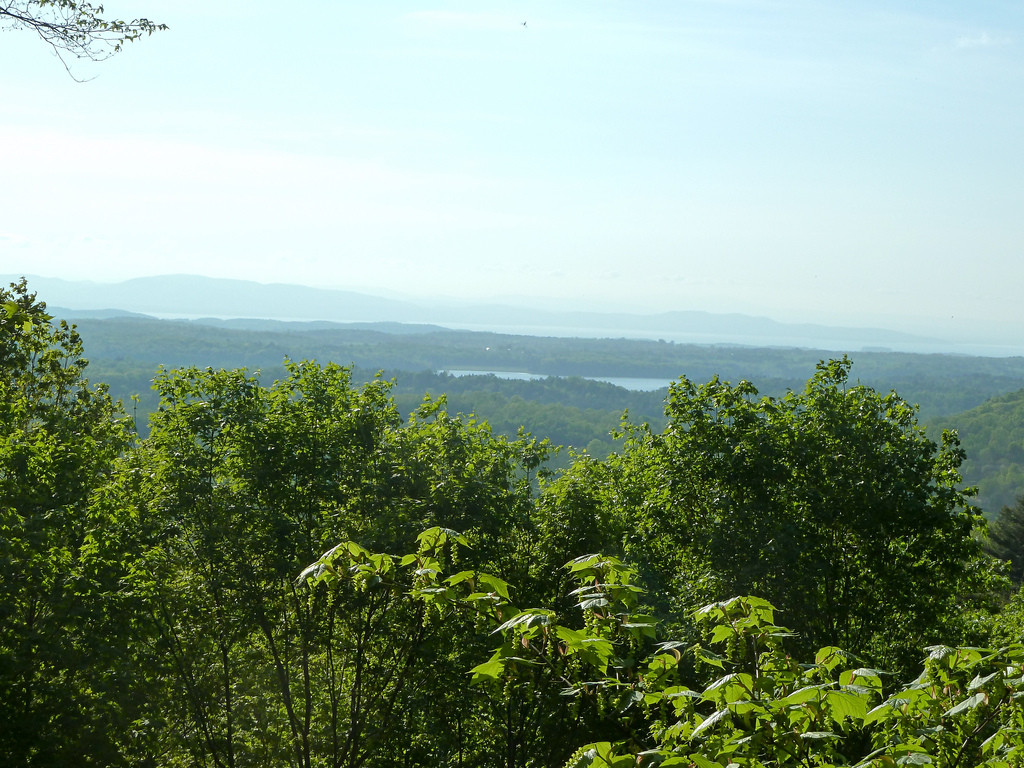
During a mild July in 1985, a cold front caused algae in Shelburne Pond, a small Vermont Lake, to quickly die back. Decomposing plants stripped the water of available oxygen, smothering aquatic life and causing a massive fish kill. Thousands of fish littered the lake’s surface – from perch and walleye to northern pike. Some 30 years later, a once prolific walleye fishery has not recovered.
Scientists refer to this type of dramatic change as a “regime shift,” when an ecosystem reaches a threshold or tipping point beyond which it is forever altered. With climate change already causing greater climate variability, this is a subject of great interest to ecologists.
Recently, Shelburne Pond joined the Global Lakes Ecological Observatory Network, or GLEON, a grass-roots collaboration of scientists, technology experts, and citizens using high frequency data to understand how lakes respond to extreme weather, invasive species, fishing pressures, and escalating water withdrawals.
Jason Stockwell, Director of the University of Vermont’s Rubenstein Ecosystem Science Laboratory, was inspired to launch a monitoring buoy with automated sensors after attending a GLEON meeting in Argentina last year. His lab now joins the GLEON family of more than 500 members in 50 countries keeping a pulse on Earth’s lakes. The Shelburne Pond buoy will go online this spring.
By collecting data on multiple parameters every 15 minutes, sensors provide invaluable insight into environmental conditions. When combined with a field sampling program, Stockwell and his students will be better-equipped to predict and manage regime shifts, while also contributing valuable data to the GLEON data exchange.
**********
–This segment is adapted from an article by Lisa Borre, originally published in National Geographic’s Water Currents blog (link below).
.
Web Links
Big Data Arrives on a Small Lake in Vermont
6 Ways to Save the Salton Sea and Colorado Delta
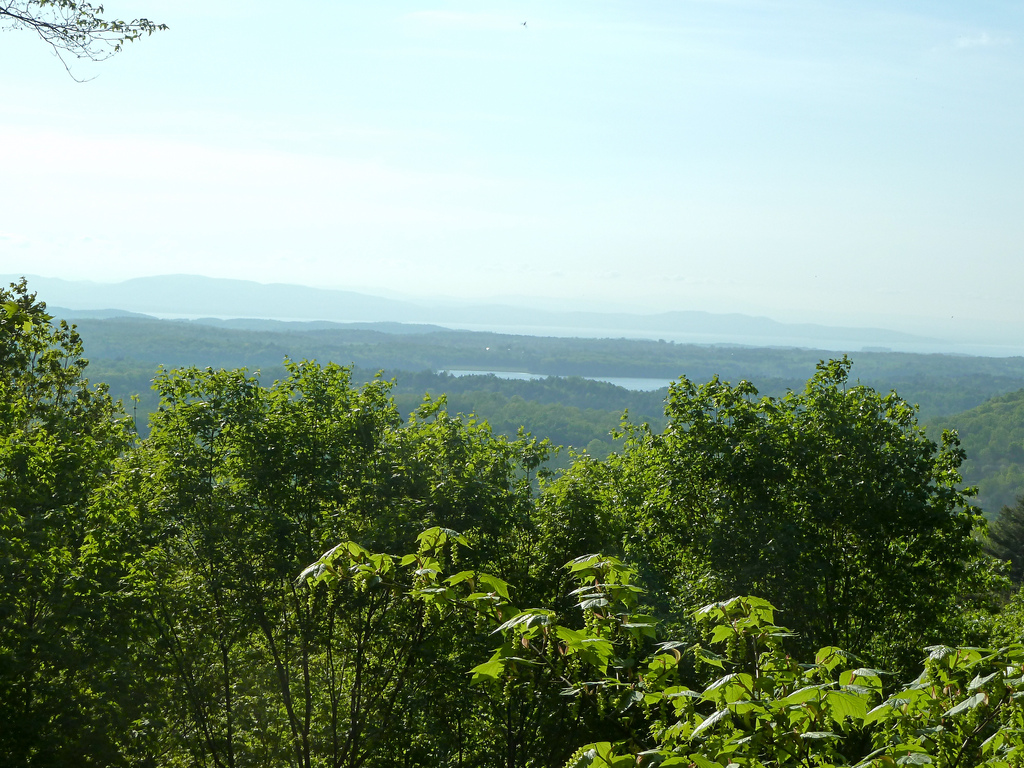
Photo, posted May 21, 2011, courtesy of Jane Schlossberg via Flickr.
.
Earth Wise is a production of WAMC Northeast Public Radio, with script contribution from the Cary Institute of Ecosystem Studies.