Do you wonder how climate change is affecting lakes? We just need to look across the pond, where scientists and agencies involved in the European Union’s Water Framework Directive have amassed an impressive body of research on the topic.
According to Dr. Erik Jeppesen at Denmark’s Aarhus University, lake temperatures are on the rise globally and evidence suggests that a combination of nutrient loading and warmer waters may accelerate the loss of water quality.
Extreme weather events such as droughts and intense rainstorms are becoming more common, and combined with climate warming, this is leading to increased algal growth and more frequent toxic algal blooms. The latest research indicates that warming affects the entire aquatic food web, including the number, size, and distribution of freshwater fish species.
Eutrophication, an aging process that leaves lakes enriched with nutrients and algae over time, is sped up by climate warming. Human pollution further hastens this process, resulting in lakes that are both inhospitable to fish and unsafe as drinking water resources.
Warmer water at the surface of lakes creates ideal conditions for algal blooms, including toxic ones. Cyanobateria thrive in warmer water, which leads to more toxic algae blooms. Many will remember the algae bloom that left Toledo, Ohio without water last summer.
Climate change is also having an impact on fish, with a shift toward species that can tolerate or adapt to a wide range of temperatures. Some of these fish are what Jeppesen calls “bad guys” because they feed directly on zooplankton, such as water fleas, that can help keep phytoplankton growth in check.
**********
—This segment is adapted from an article by Lisa Borre, originally published in National Geographic’s Water Currents blog.
.
Web Links
Climate Change Already Having Profound Impacts on Lakes in Europe
Springs: The Canary in a Coal Mine for Groundwater
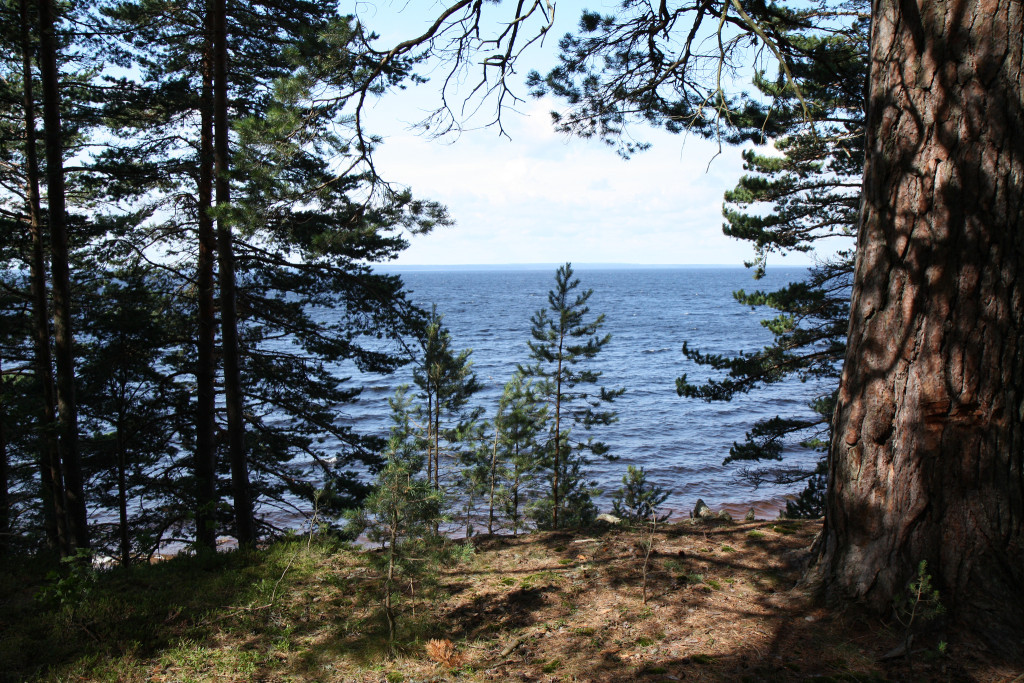
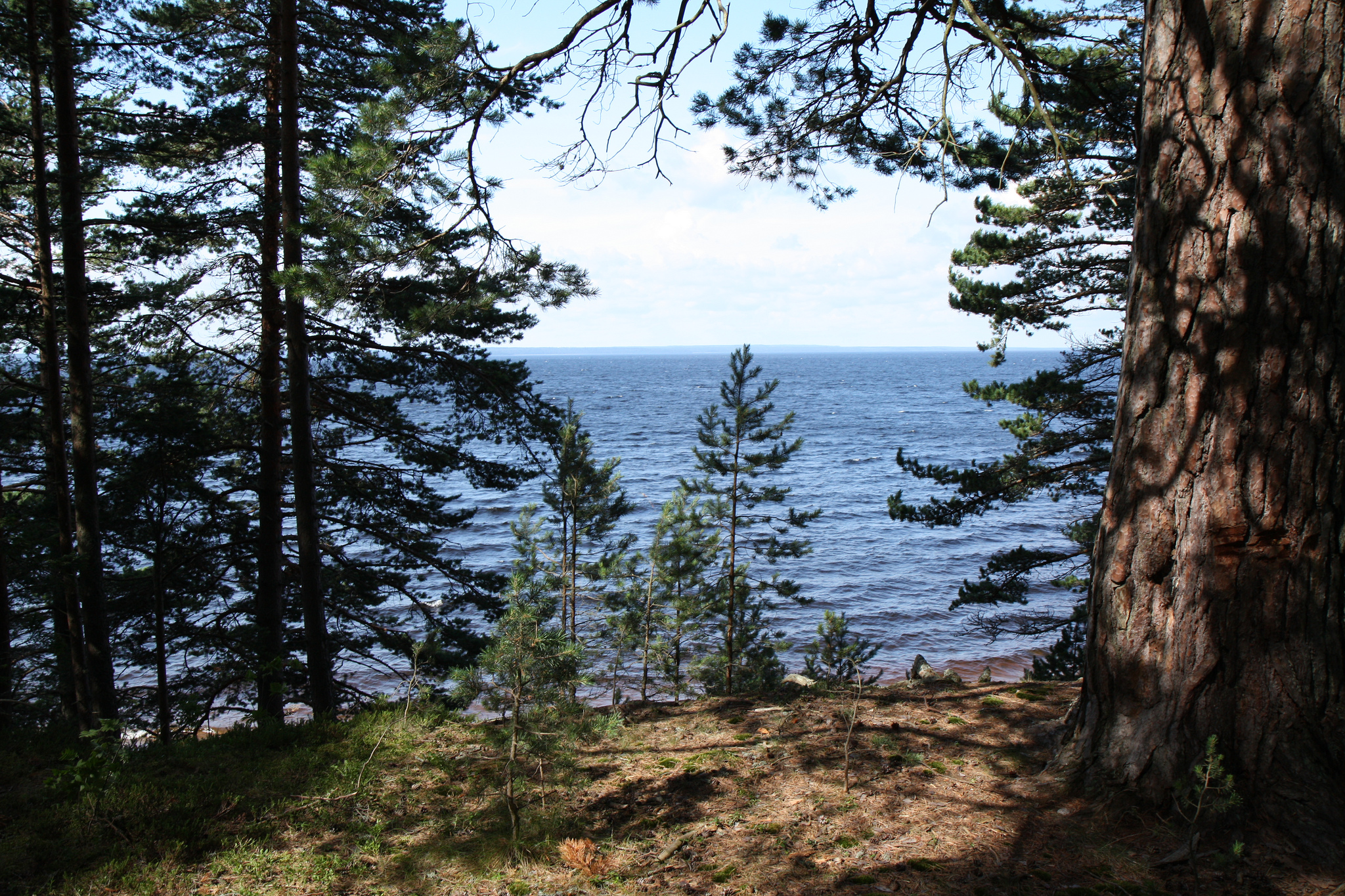
Photo, posted August 5, 2012, courtesy of Olga Khomitsevich via Flickr.
.
Earth Wise is a production of WAMC Northeast Public Radio, with script contribution from the Cary Institute of Ecosystem Studies.