By now, we all know too much salt is bad for our health. But did you know excess salt also threatens global food security? According to a new report by the United Nations, 20% of irrigated farmland worldwide suffers from escalating salt levels. Losses in crop productivity are estimated to cost 27 billion dollars annually.
Irrigation water contains small amounts of dissolved salts. When irrigation water evaporates, or is used by plants, salts are left behind. Over time, salt accumulates in the soil, often leading to a telltale white crust. Impacted farmland can eventually become infertile.
Salt-laden soils have been linked to dramatic decreases in crop yields. This is a real problem because irrigated fields provide 36 percent of the global food supply. And in some of the most populous places on Earth – like Pakistan and India – irrigated fields produce the majority of food.
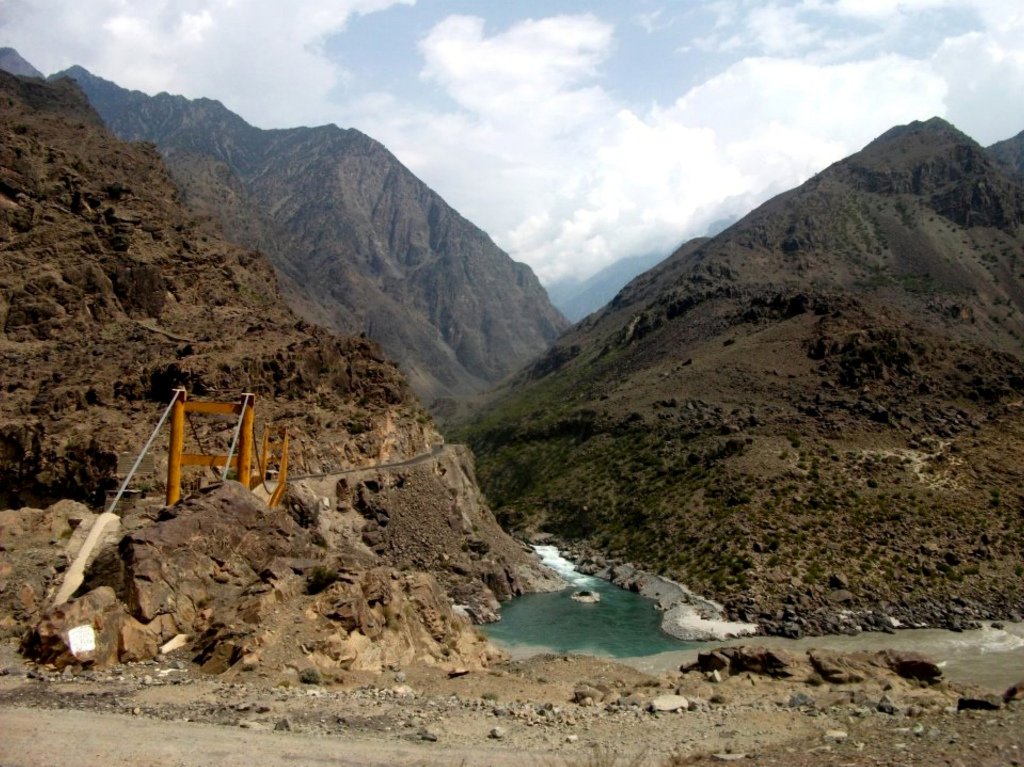
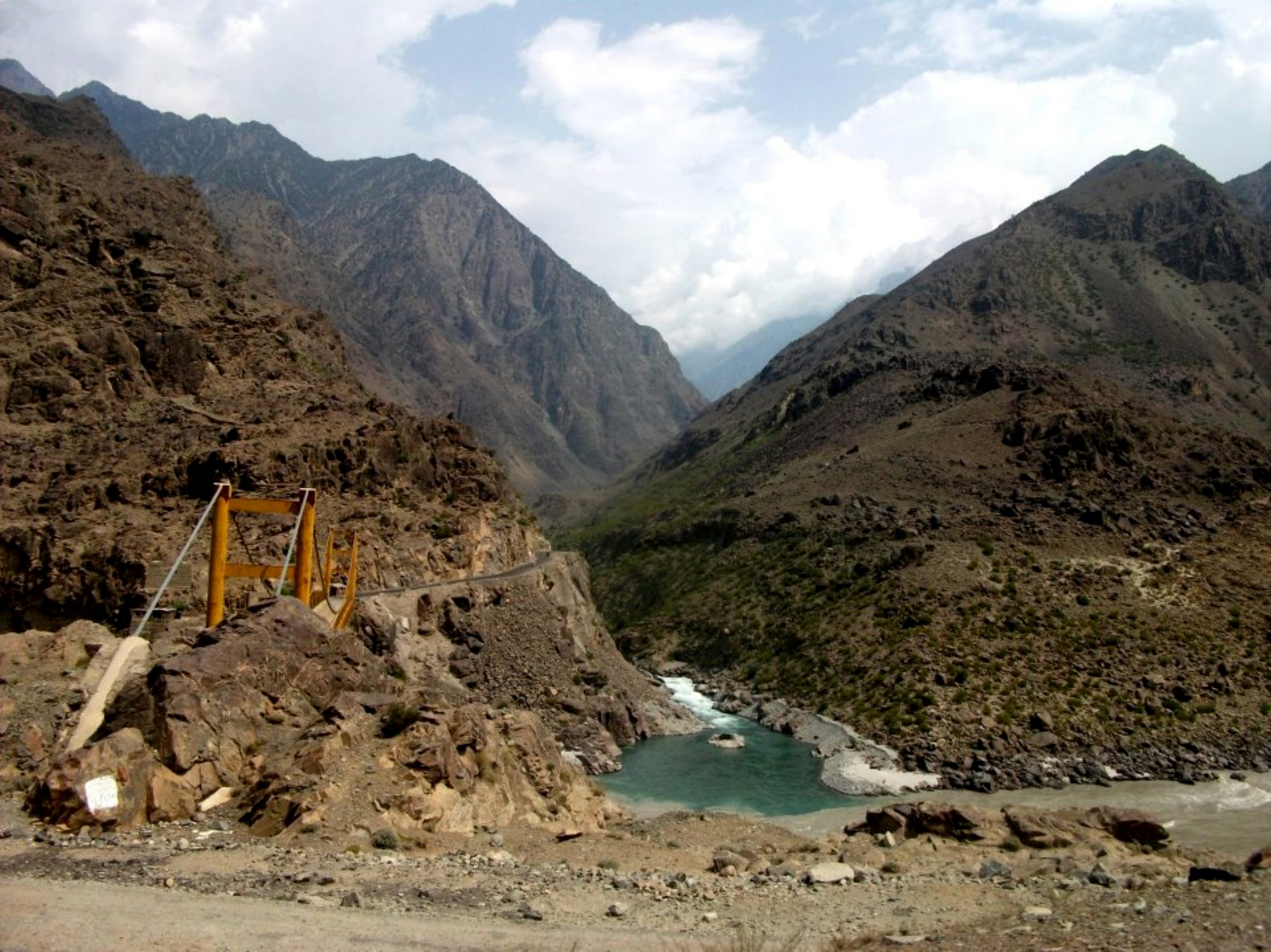
Take the case of Pakistan’s Indus Basin; on salt-impacted farmland average rice production is down by 48 percent, wheat by 32 percent. Impacts are also felt closer to home. Here in the U.S., farmland in the Colorado River Basin experiences crop losses to the tune of $750 million a year.
The UN outlines techniques that can prevent or rehabilitate salt-poisoned soils. They include crop rotation with salt-tolerant plants, tree plantings, gypsum treatments, improved drainage, and field flushing.
One thing is certain – we can no longer afford to lose 5,000 acres of farmland each day to salt accumulation.
**********
.
Web Links
Economics of Salt-induced Land Degradation and Restoration
Farm salt poisoning costs $27 billion annually
Photo, posted May 1, 2013, courtesy of Khan Khattak via Flickr.
.
Earth Wise is a production of WAMC Northeast Public Radio, with script contribution from the Cary Institute of Ecosystem Studies.