Throughout the world, invasive species plague local ecosystems, degrading natural resources and damaging infrastructure. In the U.S. alone, biological pollution is estimated to carry a price tag of $120 billion per year.
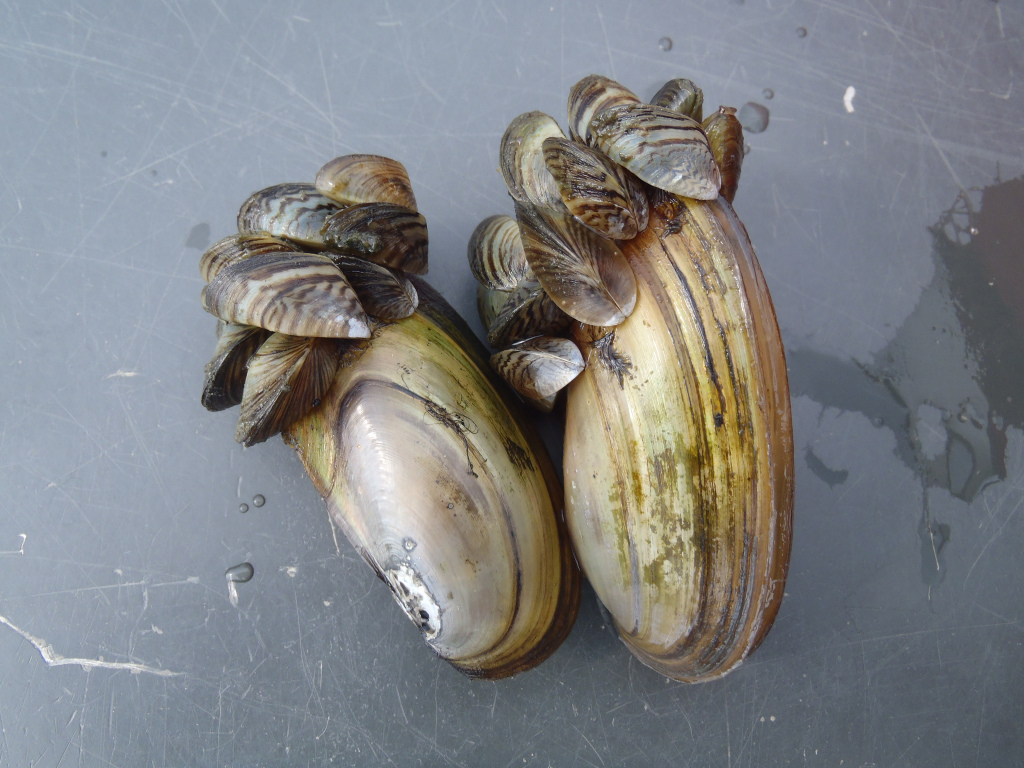
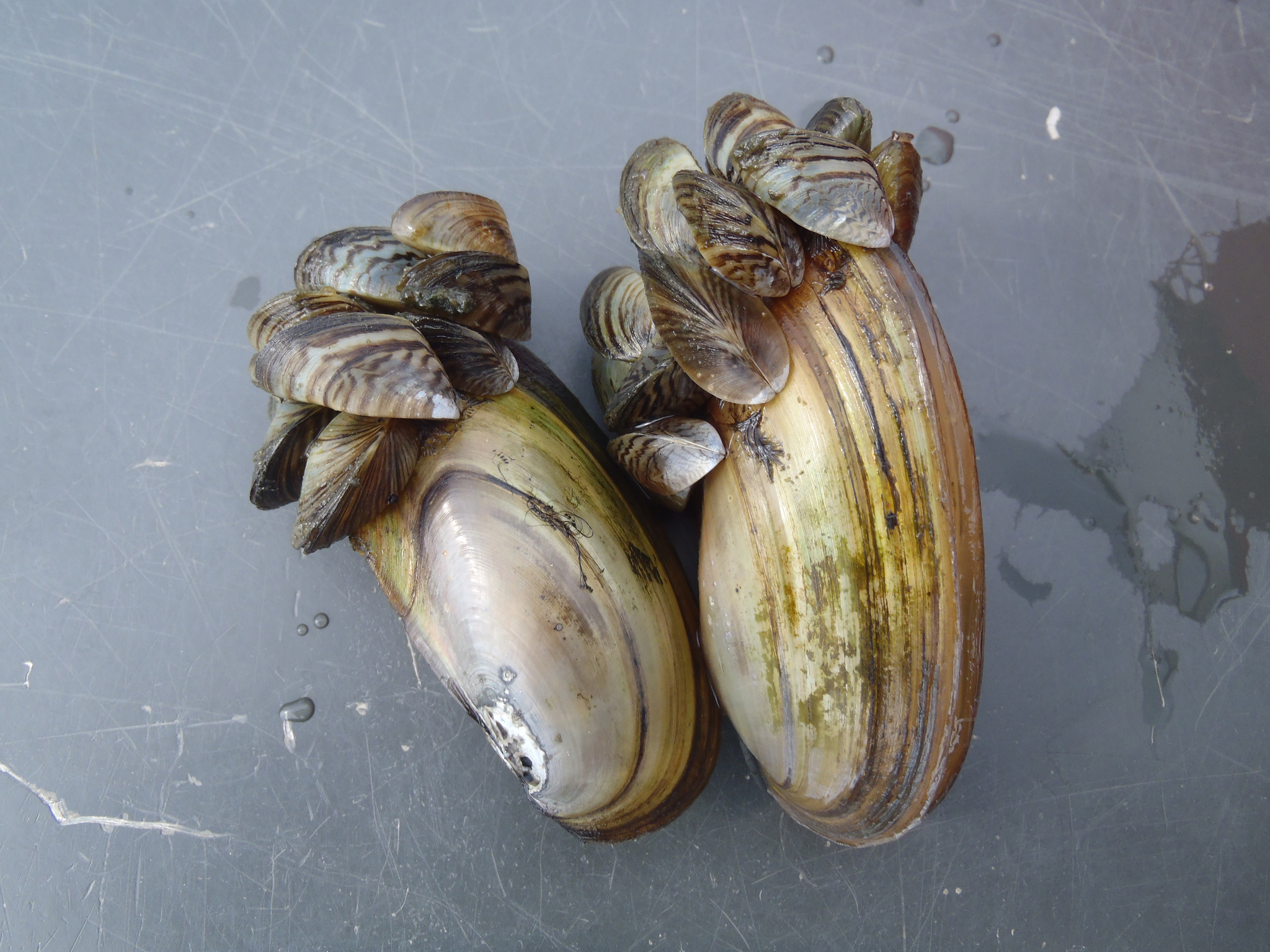
Many of us are familiar with zebra mussels. By stowing away in ballast-water they were able to spread into the Great Lakes in the 1980s and began fouling the Hudson River in the 1990s. The tiny bivalves blanket hard surfaces, and have created billions of dollars in damage by clogging pipes, fouling boat hulls, and reducing hydroelectric power.
In an attempt to keep the next aquatic invader from taking hold, University of Notre Dame researchers recently developed a tool to flag vulnerable points of entry. Their software program analyzes multiple factors in order to identify those ports most likely to spread invasive species.
For example, Singapore alone among over 800 Pacific ports is responsible for 26 percent of species flow. Such information can help focus control efforts. Rather than slowing down productivity by testing ballast water at every port, scientists can target hotspots.
According to the software’s creators, if we implemented species-control strategies in the top 20 most connected ports, it would become twice as difficult for invaders to spread. The type of vessel is also an important screening criterion. Barges and passenger carriers are less likely to transport invaders than container ships, so they may not require the same strict inspection.
The new software could be an important tool in developing invasive species policy, and help ensure that costly invaders do not hitch a free ride.
**********
.
Web Links
Pinpoint key ports to stop aquatic invaders
New Software Could Help Close Ports to Invasive Species