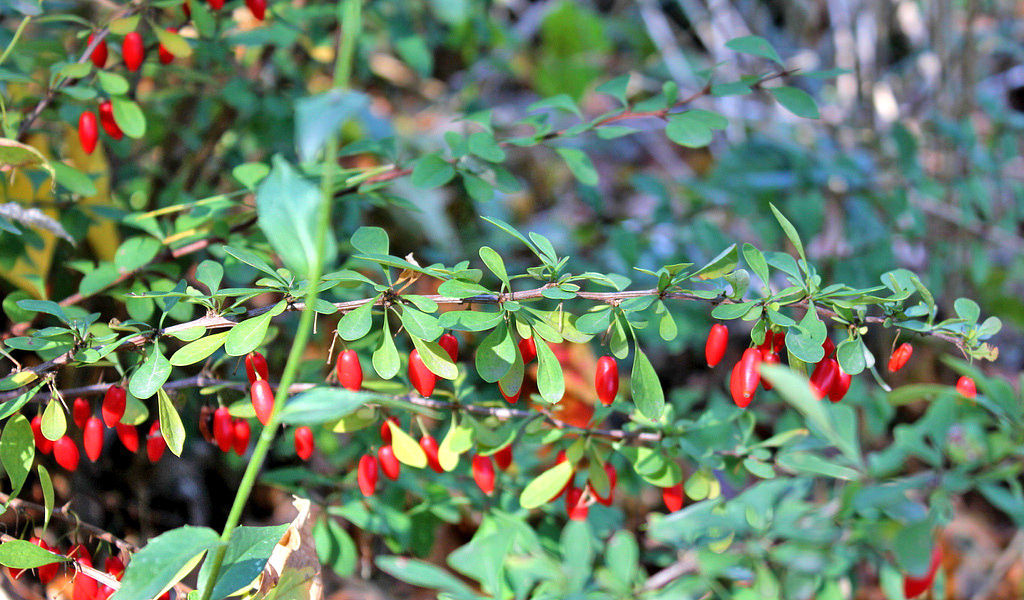
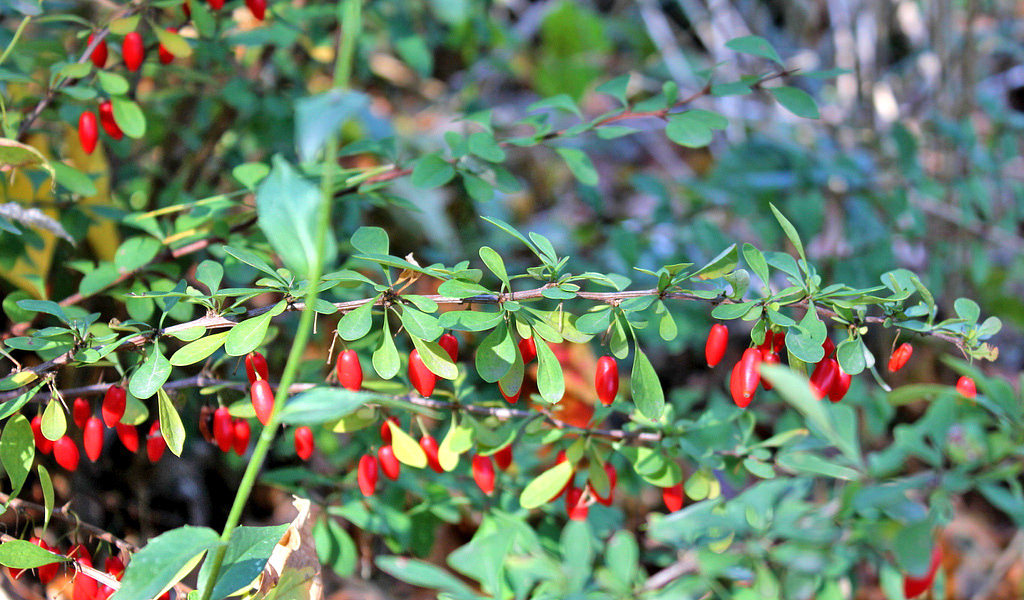
In a win for New York State’s natural areas, new regulations have gone into effect banning a long list of plants and animals that have plagued our fields, forests, and freshwaters. As of March 10, the New York State Department of Environmental Conservation has made it illegal to buy, sell, or transport 126 species identified as invasive.
The prohibited list includes 69 plants, 15 fish, 30 invertebrates, five vertebrates, and seven species of algae, bacteria, and fungi. Many of the plants are familiar scourges of yards and wild lands. They include garlic mustard, Japanese barberry, Oriental bittersweet, several Oriental honeysuckles, purple loosestrife, Japanese stilt grass, black swallowwort, common reed, and kudzu.
Listed vertebrates include the mute swan, European hare, Eurasian boar, walking catfish, several snakehead fish species, common carp, and sea lamprey. Among the banned insects are the Asian longhorn beetle, hemlock wooly adelgid, emerald ash borer, and Japanese pine sawyer – all of which have wreaked havoc on our forests – and Africanized honey bees.
According to the DEC, the banned plants and animals are a form of biological pollution. Their negative effects go beyond weeding headaches in our backyards: they threaten endangered species, diminish biological diversity, and can change the way that ecosystems function, resulting in less productive forests and degraded freshwaters.
The new regulations do not require property owners to remove existing plants but do forbid commerce in the prohibited species and their introduction into public lands or natural areas. To those who have battled these plants and animals – imported from distant shores by accident or design – the regulations are welcome news.
*********
–This segment was adapted from outreach materials from the Lower Hudson Partnership for Regional Invasive Species Management (LH-PRISM).
.
Web Links
Lower Hudson Partnership for Regional Invasive Species Management
Photo, posted October 15, 2014, courtesy of NatureServe via Flickr.
.
Earth Wise is a production of WAMC Northeast Public Radio, with script contribution from the Cary Institute of Ecosystem Studies.
Experience the convenience of instagram video download with our dedicated online resource.
This is a sad greenwashing distraction from addressing REAL ecosystemic threats.
Never forget which chemical corporation actually coined the expression “Invasive Species” to support their chemical sales.
Avoidning the critcial threats in favour of media-sexy-sounding windmills?
WELL-played, NYSDEC.
Woo Hoo!!!
Getting these plants and animals off our nursery lots is a huge win for all New Yorkers!
Look out those of you who would bring firewood from NYC to the Catskills! It’s also illegal! (Because of invasive species that travel in the wood!)
I hope they add one of the most destructive invasive species being introduced to the environment in greater numbers each year, the Domestic House Cat. It’s a shame they didn’t even address this crisis.